Benefits for Single Mothers: Food, Housing, Child Care
There is no single application for single mothers, and no single program that covers everything. The help is a stack: food assistance from one program, child care help from another, housing from a third, health coverage from a fourth, and tax credits that arrive once a year. Knowing the stack — and the order to apply — is what turns a long list of program names into actual help.
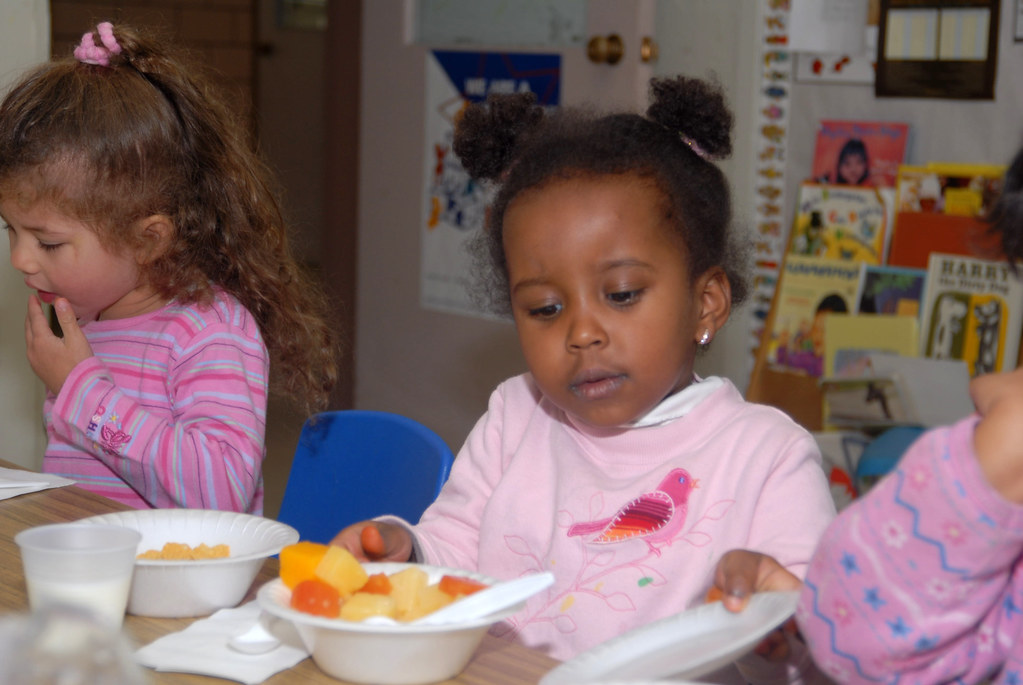
Let's walk through the programs that matter most for a single mother raising children on a low or modest income: SNAP and WIC for food, TANF for cash, child care subsidies, housing vouchers, Medicaid and CHIP for health coverage, and the tax credits that are often the largest single payment a family receives in a year. The benefits for single mothers in this guide are the national programs that do most of the work, with state variations noted where they matter.
Food: SNAP and WIC
SNAP is the largest food program and the one to apply for first, because it covers the whole household's groceries. The maximum allotment for a family of four is $1,023 a month in fiscal year 2027, and a mother with two children can receive up to $808 a month. The amount depends on household size and net income, and the benefit arrives on an EBT card once a month. Apply through your state SNAP agency — the same office that handles the interview and the recertification.
WIC is separate from SNAP and covers a narrower group: pregnant and breastfeeding women, women who have recently given birth, and children under five. The income limit is 185 percent of the federal poverty level, and WIC provides specific foods, infant formula and nutrition counseling, plus referrals to health care. A family can receive both SNAP and WIC at the same time, and many do.
Where to start: the order to apply
Apply in this order — food first, because it is the fastest help to arrive, then cash and child care, then housing, then health coverage, with tax credits at filing time:
- SNAP first. SNAP covers the whole household's groceries and is usually the quickest benefit to start. Apply through your state SNAP agency — find it through the FNS SNAP state directory.
- WIC, TANF and child care next. WIC covers food for pregnant and breastfeeding women and children under five, and you can receive it alongside SNAP. TANF is the cash assistance program, and child care help through CCDF pays part of child care costs so you can work or study — the two are often handled by the same state office, so ask about both when you apply.
- Get on the housing waiting lists. Housing Choice Vouchers and public housing have the longest waits, so join the lists early even though the help arrives last. Waiting lists open and close, so check regularly.
- Medicaid and CHIP. Apply for Medicaid for yourself and CHIP for your children — children often qualify at higher income limits than adults. You can apply through your state Medicaid agency or through HealthCare.gov, which forwards your application to your state.
- Tax credits at filing time. The Earned Income Tax Credit and the Child Tax Credit are claimed on your tax return, not through an application — they are often the largest single payment of the year, so file a return even if you owe no tax.
Cash and child care: TANF and CCDF
TANF is the cash assistance program for families with children, and it is run by each state under a federal block grant, so the amount, the work rules and the time limits all vary by state. TANF also funds services beyond cash — job training, child care and emergency help — and the state agency that runs it is usually the same one that handles SNAP, so one visit can cover both applications.
Child care is often the biggest barrier to work, and the Child Care and Development Fund is the program that addresses it. CCDF pays a subsidy to a child care provider on the family's behalf, and the family pays a copayment based on income. The subsidy is run by the state, waitlists are common, and the rules on which providers qualify and how much the family pays differ by state. Head Start and Early Head Start are separate, free programs for children from birth to five in low-income families, and they do not require a CCDF subsidy.
Housing: vouchers and public housing
The Housing Choice Voucher, often called Section 8, is the main housing program for low-income families. The voucher covers the gap between 30 percent of the family's adjusted income and the rent, and the family finds a home on the private market that accepts the voucher. The program is run by local public housing agencies, and the waiting lists in most cities are long — applying early and to more than one agency is the practical advice, because there is no single national list.
Public housing is the other route: homes owned and managed by the housing agency, with rent also set at about 30 percent of adjusted income. Both programs have the same income limits, and a family can apply for both. If you are at immediate risk of losing your home, ask the housing agency about emergency rental assistance and local prevention programs, which are separate from the voucher and often faster.
Health coverage: Medicaid and CHIP
Health coverage is the area where children are often covered even when the parent is not. Children in low-income families qualify for Medicaid or CHIP at higher income limits than adults, and pregnancy and postpartum coverage is broader still — most states now cover the parent through pregnancy and for 12 months after the birth. If you are told you do not qualify, check the children's eligibility separately, because the limits are different.
CHIP covers children in families whose income is too high for Medicaid but too low for affordable private coverage, and it covers the same services — doctor visits, prescriptions, dental and vision — usually for little or no premium. Apply through your state Medicaid agency or the Health Insurance Marketplace, which will route the application to the right program.
Tax credits and other help
The tax credits are often the largest payment a single mother receives in a year, and they are claimed on the tax return rather than through an application. The Earned Income Tax Credit is a refundable credit for low- to moderate-income workers with children, and the Child Tax Credit is a per-child credit that is partly refundable. Both require filing a tax return, even if your income is low enough that you would not otherwise need to file — that is the most common reason the money is missed. You do not apply for the benefits for single mothers as one bundle — each program has its own application, and this guide links to each one.
The Pell Grant is the main federal grant for college, with a maximum of $7,395 for the 2026-27 award year, and it does not have to be repaid. The Child and Dependent Care Credit covers up to 50 percent of $3,000 of child care costs for one child, or $6,000 for two or more, from tax year 2026. LIHEAP helps with heating and cooling bills. And if the children's other parent is not paying support, the state child support agency can establish and enforce an order for free — that enforcement is a service the state provides, not something you have to hire a lawyer for.
Frequently asked questions
What benefits can a single mother get?
The main programs are SNAP for food, WIC for pregnant women and young children, TANF for cash, CCDF for child care, the Section 8 voucher for housing, Medicaid and CHIP for health coverage, LIHEAP for energy bills, and the Earned Income Tax Credit and Child Tax Credit on the tax return.
Is there one application for single mothers?
No. Each program has its own application, although many are run by the same state agency, so one visit or one online portal can cover SNAP, TANF and Medicaid in the same state.
How much SNAP can a single mother with two children get?
Up to $808 a month in fiscal year 2027, depending on household income. The maximum allotment for a family of four is $1,023 a month.
Can a single mother get help with child care?
Yes. The Child Care and Development Fund pays a subsidy to the provider, and the family pays a copayment based on income. Head Start and Early Head Start are free for children from birth to five in low-income families.
Do children qualify for Medicaid if the parent does not?
Often, yes. Children qualify for Medicaid or CHIP at higher income limits than adults, and pregnancy and postpartum coverage is broader still. Check the children's eligibility separately.
What is the largest tax credit for a single mother?
The Earned Income Tax Credit is usually the largest, followed by the Child Tax Credit. Both are claimed on the tax return, and both require filing a return even if your income is low.
Sources
- U.S. Department of Agriculture — SNAP benefit amounts and WIC eligibility: maximum allotments, the 185 percent of poverty limit for WIC, and the programs' state administration.
- U.S. Department of Health and Human Services — TANF, CCDF, Head Start, Medicaid and CHIP: state administration, income limits and the programs available to families with children.
- U.S. Department of Housing and Urban Development — Housing Choice Vouchers and public housing: rent at about 30 percent of adjusted income, and application through local public housing agencies.
Related guides
- SNAP Eligibility: Federal Tests, Income Limits
- WIC Benefits: Who Qualifies, What You Get, and How to Apply
- Section 8 Housing Choice Voucher: How the Program Works
- Childcare Subsidy: How CCDF Help Works and How to Apply
- Medicaid Eligibility and Income Limits: How to Check
- Child Tax Credit: How Much It Is, Who Qualifies
- ZIP Code Benefits Finder: How to Find Help Near You
- Benefits Eligibility Checker: What You May Qualify For
- Free Clinic Finder: Low-Cost Care Near You
- Community Rating System Flood Insurance Discount