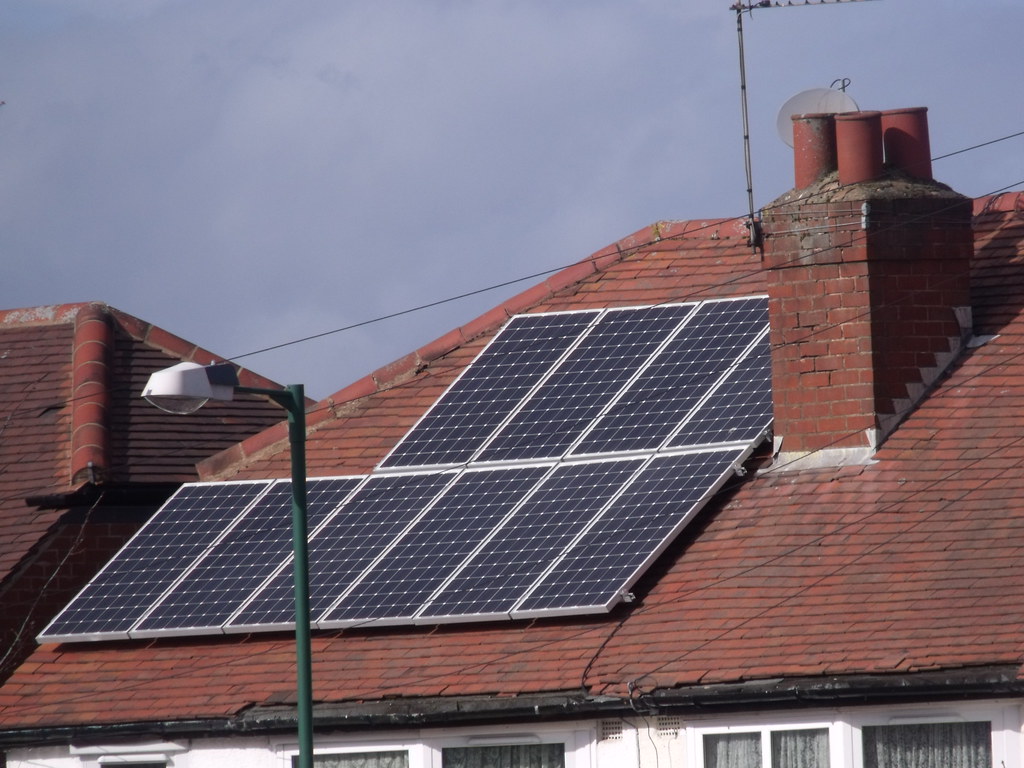
Federal tax credits for clean energy — solar panels, heat pumps, electric vehicles, home energy improvements — have changed again and again. Some have ended, and each credit has its own end date and rules. If you're planning a purchase, the question isn't whether clean energy credits exist in general. It's whether the specific credit for your specific purchase is still available, and which date decides it.
Key takeaways
- The credit is claimed on Form 8936 for the tax year in which the vehicle was placed in service.
- Some have ended — the clean vehicle credits ended for vehicles acquired after September 30, 2025 — and each credit has its own end date and rules.
Each credit has its own end date and its own rules, and the install date or purchase date is often what decides eligibility. This guide is a clean energy tax credit expiry tracker in the practical sense: how to track a credit's status, what the install-date rule means, and where to check before you commit money.
For many home energy credits, the date that matters is when the equipment is installed — not when it is ordered or paid for.
Why clean energy credits are hard to track
Clean energy tax credits have been created, extended, and ended by different laws at different times, and the changes don't all happen on the same date. A credit for residential solar may end on a different date from a credit for an electric vehicle or a home energy improvement, and the rules for claiming each one can change even while the credit itself remains. News coverage often reports on one credit as if it were the whole picture — which is how households end up planning around a credit that has already ended.
A proper tracker shows what ended, what remains, and the install-date rule. One end date is settled: the federal clean vehicle credits ended for vehicles acquired after September 30, 2025 (see the section below). Each remaining credit has its own end date and rules, so check the IRS page for the specific credit before you commit money.
The install-date rule
For many home energy credits, the date that matters is when the equipment is installed — not when it is ordered or paid for. A system ordered in one year and installed in the next may fall under the rules of the installation year, which can change the credit available. For vehicles, the acquisition date can be the deciding date — for the clean vehicle credits, a vehicle counted as acquired when a written binding contract was entered into and a payment was made, not when it was delivered (see the section below). The rule differs by credit, and it's the detail most likely to catch a buyer out.
The practical step is to check the credit's own rules on the IRS site before signing a contract, and to ask the installer or dealer, in writing, which date they will use and whether the credit they're quoting is still available. A quote that assumes a credit without checking its status is a quote that may change.
What has ended: the clean vehicle credits
The federal credits for electric vehicles have ended. Public Law 119-21 terminated the new clean vehicle credit (section 30D), the previously-owned clean vehicle credit (section 25E) and the commercial clean vehicle credit (section 45W) for vehicles acquired after September 30, 2025. The IRS confirmed the date in fact sheet FS-2025-05: none of the three credits is allowed for a vehicle acquired after that date.
The deciding date is the acquisition date, not the delivery date. A vehicle counts as acquired when a written binding contract was entered into and a payment was made — a nominal down payment or a vehicle trade-in counts as a payment — and a buyer who had both in place on or before September 30, 2025 can still claim the credit when the vehicle is placed in service, even if delivery came later. The credit is claimed on Form 8936 for the tax year in which the vehicle was placed in service.
What ended, what remains, and state alternatives
Think of the credits in three groups: those that have ended, those that remain, and state or utility programs that may still be available where a federal credit has ended. That structure is the right way to think about it — and the ended group so far holds the clean vehicle credits (see the section above). The contents of each group still change. The IRS publishes the current status of federal energy credits, and state energy offices and utilities publish their own rebate and incentive programs.
State and utility programs are worth checking even when a federal credit has ended. A state rebate, a utility incentive, or a local program may cover part of the cost of the same equipment, and these programs have their own rules and deadlines. Checking them takes time, but it's the difference between paying the full price and paying a reduced one.
How to check a credit before you buy, step by step
Start by naming the exact credit — solar, heat pump, electric vehicle, or home energy improvement — and finding its page on irs.gov. Note the end date, the eligibility rules, and the date that decides eligibility. Then check the state energy office and the local utility for any additional incentives for the same purchase. Finally, ask the installer or dealer to confirm, in writing, that the credit they're quoting is current and that the installation date will fall inside the credit's window.
Keep the IRS page, the state program page, and the installer's written confirmation together. If the credit changes between the quote and the installation, those records show what was promised and when. Don't rely on a sales document alone for the credit's status; the IRS page is the source that decides it.
Common mistakes with energy credits
The mistakes are nearly always the same four. Assuming a credit that existed last year still exists. Confusing a tax credit with a rebate: a credit reduces tax owed, so its value depends on the household's tax liability, while a rebate reduces the price directly. Ordering equipment before checking the install-date rule, and discovering the installation falls outside the credit's window. And relying on a third-party article for the end date rather than the IRS page, which is updated when the law changes.
Four questions come up in almost every search: has the solar tax credit ended, what is the position on federal clean energy tax credits 2026, when is the energy tax credit expiration for each credit, and how do you check home energy tax credit status before signing a contract. The answers differ by credit, which is why the install date matters more than the purchase date: a credit that has ended for new installations may still apply to a system installed before the cut-off, and a credit that remains may have new limits.
Before you buy, check the current IRS guidance for the specific credit and the specific install date, and keep the contract and the install paperwork — the date on those documents is what decides eligibility.
Frequently asked questions
Have all federal clean energy tax credits ended?
No. Some have ended — the clean vehicle credits ended for vehicles acquired after September 30, 2025 — and each credit has its own end date and rules. The current status of each credit should be checked on irs.gov.
What date decides whether I get a home energy credit?
For many home energy credits, the installation date is the deciding date, not the order date. The exact rule differs by credit and should be checked on the IRS page for that credit.
Is a tax credit the same as a rebate?
No. A tax credit reduces the tax owed, so its value depends on the household's tax liability. A rebate reduces the price directly. The two are claimed in different ways and should not be confused when planning a purchase.
Where can I check state energy incentives?
Through the state energy office and the local utility, which publish their own rebate and incentive programs. These are separate from federal credits and have their own rules and deadlines.
Need help?
If this guide does not answer your question, the directory lists every program and tool on this site.
Source: Internal Revenue Service
Sources
- Internal Revenue Service — irs.gov: current status, end dates, and eligibility rules for federal energy tax credits.
- IRS Fact Sheet FS-2025-05 — FAQs on the modification of sections 25C, 25D, 25E, 30C, 30D, 45L, 45W and 179D under Public Law 119-21 (Aug. 21, 2025): termination dates for the clean vehicle credits (September 30, 2025) and the transition rule.
- U.S. Department of Energy — energy.gov: home energy program guidance and links to state programs.