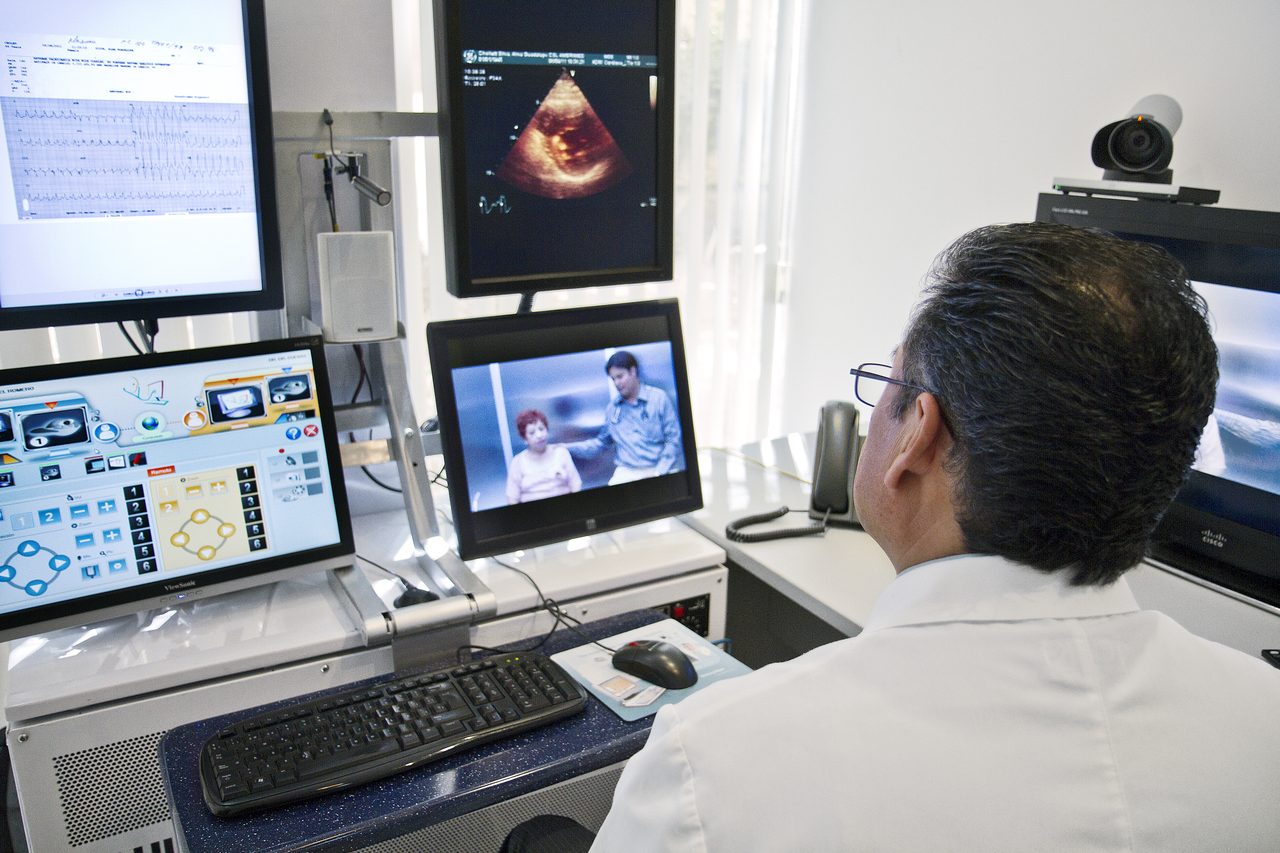
If you're a rural patient who can't have a telehealth visit at home, the direct answer is to ask the local health system, the library, or the county health department whether a hub exists nearby.
Key takeaways
- Hubs are opening in rural areas, and they're hard to find precisely because they're new.
- Ask the local health system first — the hospital or the clinic network that serves the county — because health systems are the organizations that set up hubs, and they'll know where theirs are.
- The mistakes are nearly always the same four.
- A connected room in a library, clinic, or community center, with a reliable internet connection, a nurse present, and equipment for a video visit with a remote clinician.
Hubs are opening in rural areas, and they're hard to find precisely because they're new. This guide explains what a hub is, what it offers, and how to find one.
Hubs are hard to find precisely because they are new: they are often not listed in any directory, so asking a person — the local health system, the county health department, the library, or the community health center — works better than searching online. What makes a hub visit different from a home video visit is the nurse in the room, who can take measurements and help with the examination. A hub is not a clinic and not a hospital, and it cannot do what no telehealth visit can do: a procedure, a laboratory test, or an emergency.
Quick answer: A rural town may have no broadband and no doctor — but it may have a community telehealth hub: a connected room, in a library, a clinic, a community center, or a school, with a reliable internet connection, a nurse or a trained worker present, and the equipment for a video visit with a clinician who may be hundreds of miles away.
For those, the clinician will refer the patient to a clinic or a hospital.
What a community telehealth hub is
A community telehealth hub is a room set up for virtual medical visits, in a place the community already uses. The room has a reliable internet connection, a screen and a camera, and basic medical equipment — a blood pressure cuff, a thermometer, a pulse oximeter, and sometimes a digital stethoscope or an examination camera. A nurse or a trained health worker is there during the visit: they help with the technology, take the basic measurements, and assist the remote clinician with the parts of the examination that need hands on the patient. That's the model in a sentence: the patient is in the room, the clinician is on the screen, and the nurse is the bridge between them.
The hub is not a clinic and it is not a hospital. It doesn't have a doctor on site, and it doesn't provide emergency care. Its purpose is to make a virtual visit possible for a patient who couldn't have one at home — because there's no broadband, because there's no suitable device, or because the patient needs help with the technology or with the measurements.
What a hub visit can do
A hub visit can do most of what a home telehealth visit can do, and more, because the nurse can take measurements and help with the examination. Follow-up visits, medication reviews, mental health appointments, and consultations about symptoms all work well from a hub. A hub visit can also handle a visit that needs a basic examination — blood pressure, temperature, oxygen level, and a look at a rash or a wound through the examination camera — where a home visit by phone could not.
What a hub visit can't do is what no telehealth visit can do: a procedure, a test that needs a laboratory, or an emergency. For those, the clinician will refer the patient to a clinic or a hospital.
The hub visit is booked like any other appointment, through the clinician or the health system that runs the hub. The patient goes to the hub at the appointment time, the nurse helps them settle, and the clinician joins by video. The visit is private: the room is closed, and the nurse is present only as part of the care team.
How to find a hub near you
Ask the local health system first — the hospital or the clinic network that serves the county — because health systems are the organizations that set up hubs, and they'll know where theirs are. The second route is the county health department, which may run a hub or know of one. The third is the public library: libraries are a common location for a hub, and the library staff will know whether the library hosts one.
The fourth is the community health center, which may have a hub or may be able to refer to one. Hubs are hard to find, and that's because they're new and often not listed in a directory — asking a person is more reliable than searching a website.
When you call, ask four things: where the hub is, what hours it is open, how to book a visit through it, and whether there is a cost. Some hubs are free to use, and some charge the same as a telehealth visit through the patient's health plan.
Who a hub helps most
A hub helps most the patient who has no broadband at home, the patient who has no device, the older patient who needs help with the technology, and the patient who needs basic measurements taken during the visit. It also helps the patient who has no private place at home for a medical conversation — a shared house, a crowded home — because the hub provides a private room. For those patients, the hub isn't a convenience but the difference between having a visit and not having one.
A hub helps the health system too, because it brings care to a community that would otherwise travel long distances or go without. That's why health systems, libraries, and county health departments are investing in hubs, and why more are opening each year.
Common mistakes
The mistakes are nearly always the same four. Not knowing a hub exists and traveling a long distance for a visit that could have been done at the hub. Assuming the hub is a walk-in clinic and arriving without an appointment — a hub visit needs to be booked, because the clinician joins by video at a set time. Not asking what the hub visit costs, and being surprised by a charge. And not bringing the medication list and the questions to the hub visit, so the visit is less useful than it could have been.
Other options if there is no hub
If there's no hub nearby, the other options are a phone-only telehealth visit, a visit from a library with free Wi-Fi, and a mobile clinic that brings care to the community. The library can lend a hotspot and offer a private room, the phone visit needs only a mobile signal, and the mobile clinic — the subject of a separate guide on this site — brings a clinician to the community on a schedule. The county health department can explain which of these exists in the area.
The people a hub helps most are often the ones in a remote area who need a telehealth clinic they can actually reach — a rural telehealth hub, a library video room, or a mobile clinic — because the barrier is usually distance, transport, or a home internet connection that cannot hold a video call. A hub solves all three at once: a private room, a reliable connection, and someone on site who can help with the equipment. If the nearest hub is still a long drive away, ask the library whether it lends a library hotspot or offers a private room for a video visit, and ask the clinic whether a phone-only visit is possible for the problem.
Frequently asked questions
What is a community telehealth hub?
A connected room in a library, clinic, or community center, with a reliable internet connection, a nurse present, and equipment for a video visit with a remote clinician.
How do I find a telehealth hub near me?
Ask your local health system, the county health department, the public library, or the community health center. Hubs are new and often not listed in a directory, so asking a person works best.
Do I need an appointment for a hub visit?
Yes. A hub visit is booked like any other appointment, because the clinician joins by video at a set time. Ask how to book when you call.
Does a hub visit cost anything?
It depends on the hub and on your health plan. Some hubs are free to use, and some charge the same as a telehealth visit. Ask when you call.
What if I have never used video calling?
That is one of the situations a hub is built for. A hub helps most the patient with no broadband at home, the patient with no device, and the older patient who needs help with the technology — the nurse in the room helps with the equipment and the visit.
Is a hub visit the same as a telehealth visit from home?
Mostly, with one difference: the nurse present can take measurements and help with the examination, which a home visit cannot do. What a hub visit cannot do is what no telehealth visit can do — a procedure, a test that needs a laboratory, or an emergency.
Need help?
If this guide does not answer your question, the directory lists every program and tool on this site.
Sources
- Health Resources and Services Administration — find a health center.