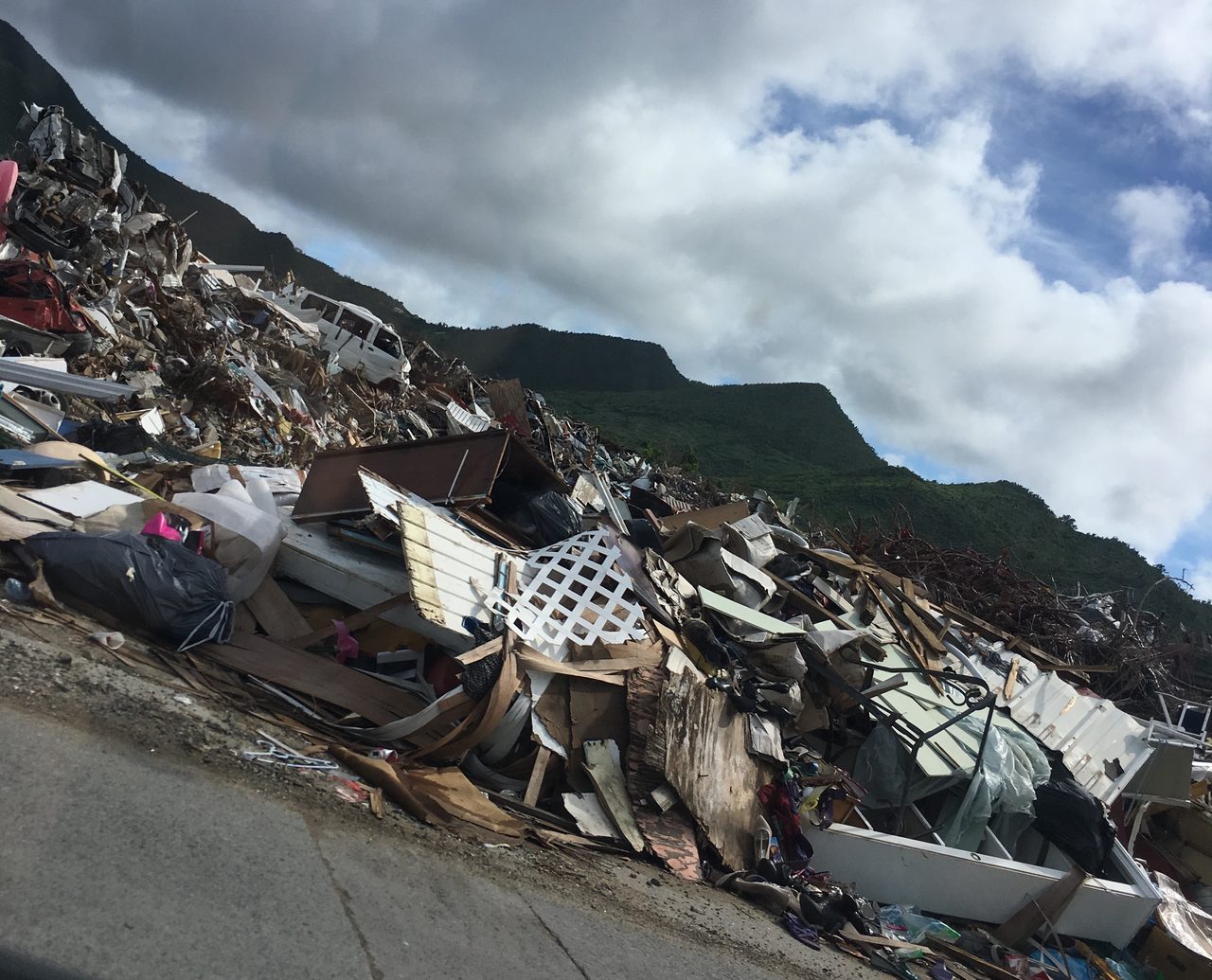
A disaster survivor who loses work and misses the 60-day filing deadline for Disaster Unemployment Assistance loses the help entirely — and it is the most missed deadline in disaster recovery. DUA is a federal program that pays unemployment benefits to people who lose their jobs because of a declared disaster and who can't get regular unemployment insurance.
How long does a survivor have to apply? For disasters declared on or after March 23, 2024, the 60 days run from the presidential declaration date, or from the date Individual Assistance is designated, whichever is later. A survivor who waits for the regular unemployment system to respond first, or who assumes the deadline is the same as the regular unemployment deadline, can miss it. Use the Disaster Assistance Finder on this site to check your own situation.
Quick answer: generally 60 days from the presidential declaration date, or from the date Individual Assistance is designated, whichever is later.
Key takeaways
- Applications generally must be filed within 60 days of the presidential declaration, or of the date Individual Assistance is designated, whichever is later.
- There's also an absolute outer limit: no initial application can be accepted after the 26th week following the disaster declaration.
- A survivor who files on time but doesn't provide the proof within 21 days can lose the benefit.
- FEMA unemployment assistance is the name people give that arrangement, but the application itself goes to the state agency, not to FEMA.
Applications generally must be filed within 60 days of the presidential declaration, or of the date Individual Assistance is designated, whichever is later.
What Disaster Unemployment Assistance is
It exists only after a disaster declaration, only for a limited time, and only for people who apply quickly.
DUA is a federal program administered by the states, funded by the Federal Emergency Management Agency and delivered through the state unemployment insurance agency. It covers people who lose their jobs as a direct result of a presidentially declared major disaster, and who aren't eligible for regular unemployment insurance. That includes self-employed people, gig workers, and people who were about to start a job that the disaster destroyed — people the regular unemployment system doesn't cover.
DUA is event-triggered: it doesn't exist outside a declared disaster. A disaster must be declared, the declaration must authorize Individual Assistance, and the state must announce that DUA is available. Until those steps happen, there's nothing to apply for, and a survivor who applies before the announcement will be told to wait.
The benefit amount follows the state unemployment insurance formula and varies by state — there is no national DUA amount to publish. The benefit is paid for the weeks the survivor is unemployed as a result of the disaster, up to the limit set for that disaster, and it is reduced by any other income the survivor receives, such as regular unemployment benefits or sick pay.
The 60-day deadline and the other deadlines
Applications generally must be filed within 60 days of the presidential declaration date, or of the date Individual Assistance is designated, whichever is later. This 60-day rule applies to disasters declared on or after March 23, 2024, under the Disaster Assistance Deadlines Alignment Act (P.L. 118-44) and U.S. Department of Labor guidance (UIPL 03-25). Late filing can be accepted for good cause — for example, if the survivor was hospitalized, or couldn't reach the agency because communications were down — but good cause is decided case by case, and you shouldn't rely on it. The safest course is to file within the 60 days.
There's also an absolute outer limit: no initial application can be accepted after the 26th week following the disaster declaration. That is the end of the window, whatever the reason for the delay. And there's a documentation deadline as well: proof of employment or self-employment, and proof of identity, are due within 21 days of filing the application. A survivor who files on time but doesn't provide the proof within 21 days can lose the benefit.
These deadlines are the reason the program is so often missed. A survivor dealing with a damaged home, a lost job, and no power or phone service isn't in a position to track a 60-day window, and the state agency's announcement may be the only notice they get. Family members, employers, and community organizations can help by watching for the announcement and telling survivors to file immediately.
Who qualifies for DUA
The applicant must have lost work as a direct result of the disaster. That covers people who were laid off because their employer was damaged or closed, self-employed people whose business was destroyed, people who were unable to reach their workplace because of the disaster, and people who were scheduled to start a job that no longer exists because of the disaster. The loss must be a direct result of the disaster, not an indirect one: a business that loses customers because the town is damaged may qualify, but the connection has to be shown. Use the Disaster Assistance Finder on this site to check your own situation.
The applicant must first apply for regular unemployment insurance. That's a requirement, not a suggestion: the state must determine that the applicant isn't eligible for regular benefits before DUA can be paid. A self-employed person will usually be found ineligible for regular benefits quickly, because regular benefits require covered employment, and the DUA claim can then proceed. An employee who is eligible for regular benefits will receive those instead, and DUA isn't needed.
The applicant must also be able and available to work, unless the disaster has made work impossible — for example, if the applicant is injured or is caring for a family member injured in the disaster. The state agency applies the usual unemployment rules with the disaster circumstances taken into account, and the applicant should explain the situation fully on the application.
How to apply, step by step
First, watch for the state agency's announcement that DUA is available for the disaster. The announcement is made through the state unemployment agency's website, local news, and disaster recovery centers. The 60-day clock runs from the presidential declaration date, or from the date Individual Assistance is designated, whichever is later, so note the date and file as soon as possible.
Second, apply for regular unemployment insurance first, through the state agency's usual channels — online, by phone, or in person at a disaster recovery center. The state will determine eligibility for regular benefits, and if the applicant isn't eligible, the DUA claim proceeds. Keep the determination letter, because it's part of the DUA record.
Third, file the DUA application with the state agency, and provide proof of employment or self-employment and proof of identity within 21 days of filing. Proof of employment can be pay stubs, a letter from the employer, or tax returns. Proof of self-employment can be tax returns, business records, or bank statements showing business income. Proof of identity is a government-issued identification document. If the documents were destroyed in the disaster, say so and ask the agency what alternative evidence it will accept.
Common mistakes that cost survivors DUA
The most common mistake is missing the 60-day deadline. A survivor who waits to see whether regular unemployment will pay, or who assumes the deadline is generous, can find the window closed. A second mistake is not applying for regular unemployment first: the DUA claim can't proceed until the regular claim has been decided, and a survivor who applies only for DUA will be sent back to apply for regular benefits.
A third mistake is not providing the proof of employment and identity within 21 days of filing. The application isn't complete without it, and the benefit can be denied for lack of documentation. A fourth mistake is not keeping the determination letters and the application receipts: if the claim is denied or delayed, those documents are the evidence the survivor needs to appeal.
Four phrases describe the same deadline problem: dua 60 days, dua apply deadline, disaster unemployment benefits, and fema unemployment assistance. DUA — Disaster Unemployment Assistance — must be applied for within 60 days of the presidential declaration or the Individual Assistance designation, whichever is later, and the proof of employment and identity must follow within 21 days of filing. Disaster unemployment benefits are for people who lost work because of a declared disaster and cannot get regular unemployment, and the program is federally funded and run by the state unemployment agency. FEMA unemployment assistance is the name people give that arrangement, but the application itself goes to the state agency, not to FEMA.
Frequently asked questions
How long do I have to apply for Disaster Unemployment Assistance?
Generally 60 days from the date of the presidential disaster declaration, or from the date Individual Assistance is designated, whichever is later. The deadline changed from 30 days to 60 days for disasters declared on or after March 23, 2024. Late filing may be accepted for good cause, but do not rely on it. No initial application can be accepted after the 26th week following the disaster declaration.
Do I have to apply for regular unemployment first?
Yes. Applicants must first apply for regular unemployment insurance, and the state must determine they are not eligible for it before DUA can be paid. Self-employed and gig workers usually qualify for DUA precisely because they are not eligible for regular benefits.
What proof do I need for a DUA claim?
Proof of employment or self-employment and proof of identity, due within 21 days of filing. Pay stubs, an employer letter, tax returns, or business records can prove employment; a government-issued ID proves identity.
How much does DUA pay?
The benefit follows the state unemployment insurance formula and varies by state. There is no national DUA amount. The state agency can tell you the amount for your state and your earnings history.
Need help?
If this guide does not answer your question, the directory lists every program and tool on this site.
Sources
- Federal Emergency Management Agency / U.S. Department of Labor — Disaster Unemployment Assistance: applications generally must be filed within 60 days of the presidential declaration or the Individual Assistance designation, whichever is later (disasters declared on or after March 23, 2024); no initial application after the 26th week following the declaration; applicants must first apply for regular unemployment insurance; proof of employment or self-employment and identity due within 21 days of filing; benefit amount follows the state unemployment formula and varies by state; DUA is event-triggered and does not exist outside a declared disaster.
- U.S. Department of Labor — emergency and disaster response, including Disaster Unemployment Assistance (DUA).
- U.S. Department of Labor — Unemployment Insurance Program Letter 03-25 (December 2, 2024): the DUA application deadline changed from 30 days to 60 days for disasters declared on or after March 23, 2024, under the Disaster Assistance Deadlines Alignment Act (P.L. 118-44); the change supersedes the prior deadline in 20 CFR 625.8(a).