That is the position right now, and it is unusual: in normal years the registration window opens in early October and closes in early November. This year, the program is caught in a court fight, and anyone planning to enter needs to understand what happened before they do anything else.
Quick answer: The diversity visa lottery 2027 has not opened. As of 11 November 2026, the official entry site shows no registration period, the State Department has announced no entry dates, and no one has been selected — because no entries have been taken.
Key takeaways
- The State Department postponed the DV-2027 registration period in late 2025, saying it would announce dates as soon as practicable, and no dates followed.
- Selected entrants pay a separate, non-refundable diversity visa processing fee of $330 per person at the time of the consular interview.
- Registration costs $1, entry is free of agents, and selection is random — no one can improve your odds for a fee.
- Any service charging more than $1 to register you is not official.
The Diversity Immigrant Visa Program makes up to 55,000 immigrant visas available each year to people from countries with historically low rates of immigration to the United States.
What happened: the timeline
The short version is this: the lottery has not been canceled, but it has not started either. The program exists in law, under section 203(c) of the Immigration and Nationality Act, and only Congress can end it. What is in dispute is whether the State Department was required to open registration this year, and the courts have not finished answering that question.
The State Department postponed the DV-2027 registration period in late 2025, saying it would announce dates as soon as practicable, and no dates followed. On 19 August 2026, the law firm Red Eagle Law sued in its own name to require the Department to open registration. On 14 October 2026, a federal district court in California agreed: in Red Eagle Law, L.C. v. Rubio, the court ordered the Department to announce entry dates by 29 October, open registration for thirty days by 1 November, and notify selected entrants by 3 December 2026.
The government appealed, and on 29 October 2026 a three-judge panel of the Ninth Circuit stayed the district court's order pending appeal. A stay pauses the order while the appeal is decided, so the 29 October, 1 November and 3 December deadlines are not currently enforceable. The panel's reasoning turned on the law firm's right to sue: it found the firm's business interest outside the zone of interests the diversity visa law protects. The panel expressly declined to endorse the Department's failure to open registration — this was not a ruling that the lottery had been abolished or that the Department was right to keep it closed.
Since then, the position has not changed. Registration did not open on 1 November, and no replacement opening date has been announced. The appeal continues, with the government's brief due 17 November 2026 and Red Eagle Law's response due 15 December 2026. A separate lawsuit, Ivannikov v. Rubio, No. 2:26-cv-12783 (C.D. Cal., filed 1 November 2026), asks the court to open both DV-2027 and DV-2028 registration for at least 30 days each.
The plaintiff filed a motion for a preliminary injunction on 2 November 2026 asking the court to open DV-2027 registration, and the hearing on that motion is set for 11 December 2026 at 10:00 a.m. before Judge Andre Birotte Jr.; as of 11 November 2026, no preliminary injunction has been granted, and no court has ordered registration open under that case. Until the State Department announces dates on its official site, any website claiming that DV-2027 registration is open is not official.
What the program is
The Diversity Immigrant Visa Program makes up to 55,000 immigrant visas available each year to people from countries with historically low rates of immigration to the United States. Selection is by random lottery among eligible entries, and being selected is only the first step: selectees must still apply for a visa, meet admissibility requirements, and complete the process before the end of the fiscal year. For DV-2027, that visa period runs from 1 October 2026 to 30 September 2027, and every step must be completed before that deadline or the opportunity expires.
The new rules for DV-2027
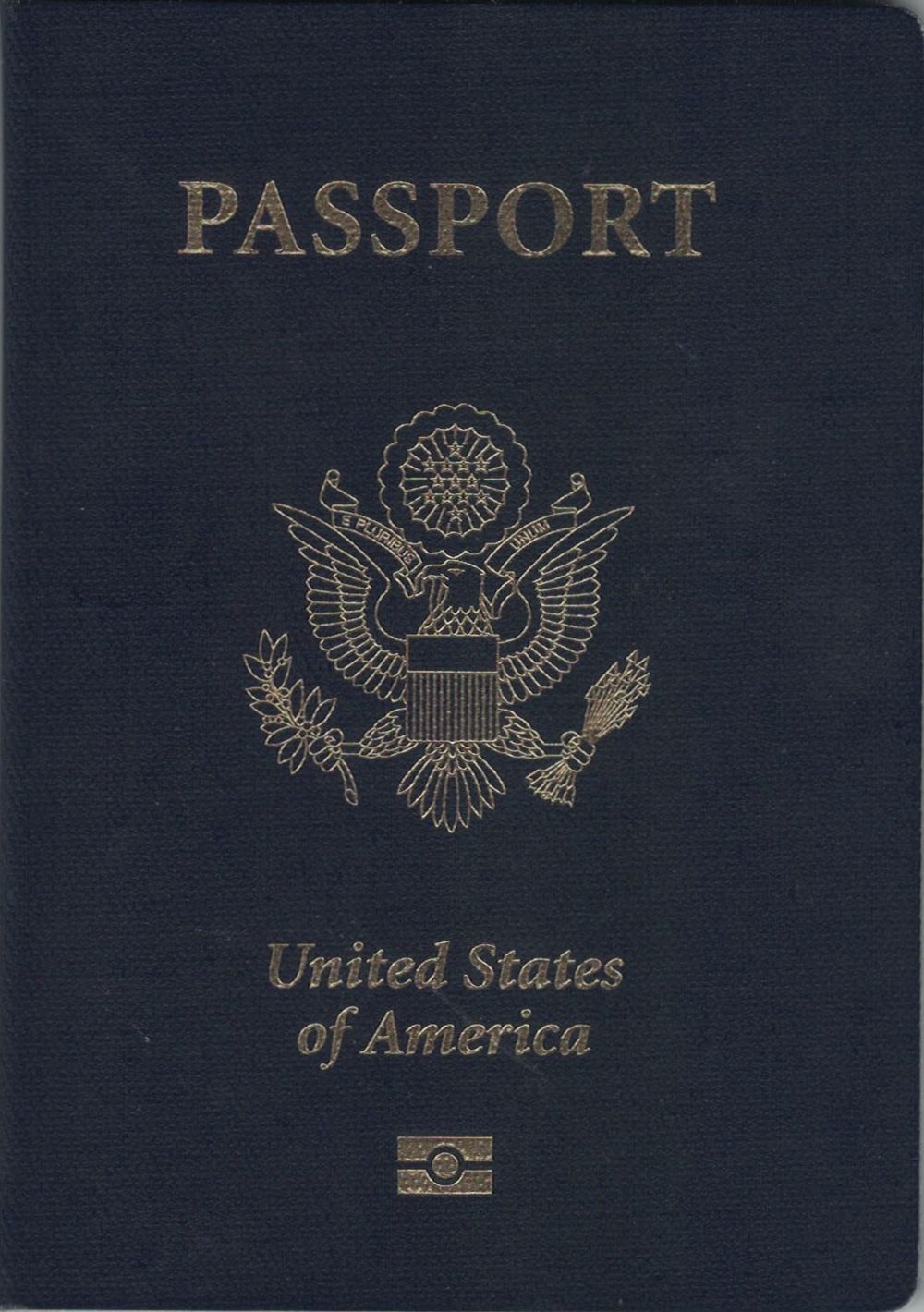
Two new rules apply to DV-2027 entries whenever registration does open, and both are worth preparing for now. First, every entrant needs a valid, unexpired passport at the time of entry. The entrant must provide the passport details on the electronic form and upload a scan of the biographic and signature pages in JPEG format, no larger than 5 megabytes. PDF files are not accepted. This requirement comes from a final rule effective 10 April 2026. Exemptions are narrow — stateless persons, nationals of a Communist-controlled country who cannot obtain a passport, and individually approved case-by-case waivers — and financial hardship does not qualify.
Second, every entry now requires a $1 fee, paid at registration by the principal applicant, with no waivers. The fee rule took effect on 16 September 2025. It is the only fee charged at the entry stage, and it is paid only on the official State Department site. Selected entrants pay a separate, non-refundable diversity visa processing fee of $330 per person at the time of the consular interview.
Who is eligible
Eligibility has two parts. The first is place of birth: the entrant must have been born in a country with low rates of immigration to the United States. Countries that sent more than 50,000 immigrants over the previous five years are excluded — for DV-2027 that includes countries such as India, Mexico, the Philippines and Nigeria. A person born in an ineligible country can sometimes claim the birth country of a spouse or parent instead, under the program's chargeability rules, but that is a detail to check against the official instructions when they are published.
The second part is education or work experience. The entrant must have completed a high-school education or its equivalent, or have two years of work experience within the past five years in an occupation that requires at least two years of training or experience. Both requirements must be met at the time of entry, and the work experience must be in a qualifying occupation — not simply any two years of work.
How entry works when registration opens
Entries are submitted exclusively through the Electronic Diversity Visa website at dvprogram.state.gov, during the registration window. There is no paper entry and no other official site. Each person may submit only one entry; submitting more than one disqualifies the entrant. The form asks for the entrant's details, a recent photograph meeting the stated specifications, passport information and the passport scan, and the $1 fee. At the end of the process the site issues a confirmation number, which the entrant must keep — it is the only way to check the result.
Results are checked only through the Entrant Status Check on the same official site. The government never emails winners, never sends a letter announcing selection, and never asks for payment by email or phone. Anyone who receives a message claiming they have won the lottery and asking for money has received a scam.
Scams to watch for
A delayed, high-profile lottery is exactly the situation scammers exploit, and DV-2027 has already attracted them. The warning signs are consistent: a website that looks official but is not dvprogram.state.gov; a service charging far more than $1 to 'register' you; an email or text saying you have been selected; a request for payment by wire transfer, gift card, or cryptocurrency; or a promise that paying more improves your chances. None of these are real. Registration costs $1, entry is free of agents, and selection is random — no one can improve your odds for a fee.
The safest approach is to check only the official site and the State Department's own announcements, and to prepare the two things the new rules require — a valid passport and a JPEG scan of its biographic and signature pages — while waiting for dates. If registration opens, the window is expected to run for thirty days under the court-ordered timetable, so there should be time to enter properly rather than rushing into the first website that claims to help.
The diversity visa lottery 2027 is paused, not canceled. The Ninth Circuit's stay means there is no entry date right now, the appeal will decide whether the Department must open registration, and the new passport and $1 fee rules will apply whenever it does. Check dvprogram.state.gov for the announcement, keep your confirmation number if you enter, and treat any other site or message asking for money as a scam.
Frequently asked questions
Is the DV-2027 lottery canceled?
No. The program is established by law under section 203(c) of the Immigration and Nationality Act, and only Congress can cancel it. Registration has not opened because of a court dispute: a district court ordered it open, and the Ninth Circuit stayed that order on 29 October 2026 pending appeal.
When will DV-2027 registration open?
No opening date has been announced as of 11 November 2026. The court-ordered dates of 29 October, 1 November and 3 December 2026 are paused by the Ninth Circuit's stay while the appeal continues. The State Department will announce any dates on dvprogram.state.gov.
Do I need a passport to enter DV-2027?
Yes. Since 10 April 2026, every entrant must provide details of a valid, unexpired passport and upload a JPEG scan of its biographic and signature pages, no larger than 5 MB. Exemptions are narrow and financial hardship does not qualify.
How much does it cost to enter the DV lottery?
The entry fee is $1, paid at registration on the official site, with no waivers. Selected entrants pay a separate $330 visa processing fee per person at the consular interview. Any service charging more than $1 to register you is not official.
How will I know if I am selected?
Only through the Entrant Status Check at dvprogram.state.gov, using your confirmation number. The government never emails or calls winners, and never asks for payment by email or phone.
Can I enter if I was born in India, Mexico, the Philippines or Nigeria?
No, not on your own birth country: countries that sent more than 50,000 immigrants over the previous five years are ineligible. You may be able to claim a spouse's or parent's birth country instead under the chargeability rules — check the official instructions when published.
Need help?
If this guide does not answer your question, the directory lists every program and tool on this site.
Source: U.S. Department of State
Sources
- U.S. Department of State — Diversity Visa Program — The only official entry site; entries are accepted only here. Status checked 11 November 2026: registration not open, no entry dates announced.
- U.S. Department of State — Diversity Visa instructions — Program rules, eligibility, and the 1 October 2026–30 September 2027 visa period for DV-2027.
- Federal Register — Visas: Enhancing Vetting and Combatting Fraud in the Diversity Immigrant Visa Program (91 FR 11891) — Passport requirement effective 10 April 2026; JPEG scan of biographic and signature pages, maximum 5 MB.
- Federal Register — Diversity Visa registration fee (90 FR 44524) — $1 registration fee effective 16 September 2025, no waivers.
- Ogletree Deakins — 2027 Diversity Visa Lottery Remains on Hold After Ninth Circuit Stay — Timeline: 14 October 2026 order in Red Eagle Law v. Rubio, stayed by the Ninth Circuit on 29 October 2026; registration remains closed with no confirmed opening date.
- TR Immigration — New Lawsuit Seeks to Open DV-2027 and DV-2028 Lotteries — Ivannikov v. Rubio, No. 2:26-cv-12783 (C.D. Cal., filed 1 November 2026): asks the court to open DV-2027 and DV-2028 registration for at least 30 days each; per the court docket, the plaintiff filed a motion for a preliminary injunction on 2 November 2026 asking the court to open DV-2027 registration, and the hearing is set for 11 December 2026 at 10:00 a.m. before Judge Andre Birotte Jr.; as of 11 November 2026 no preliminary injunction granted, no court has ordered registration open under that case.