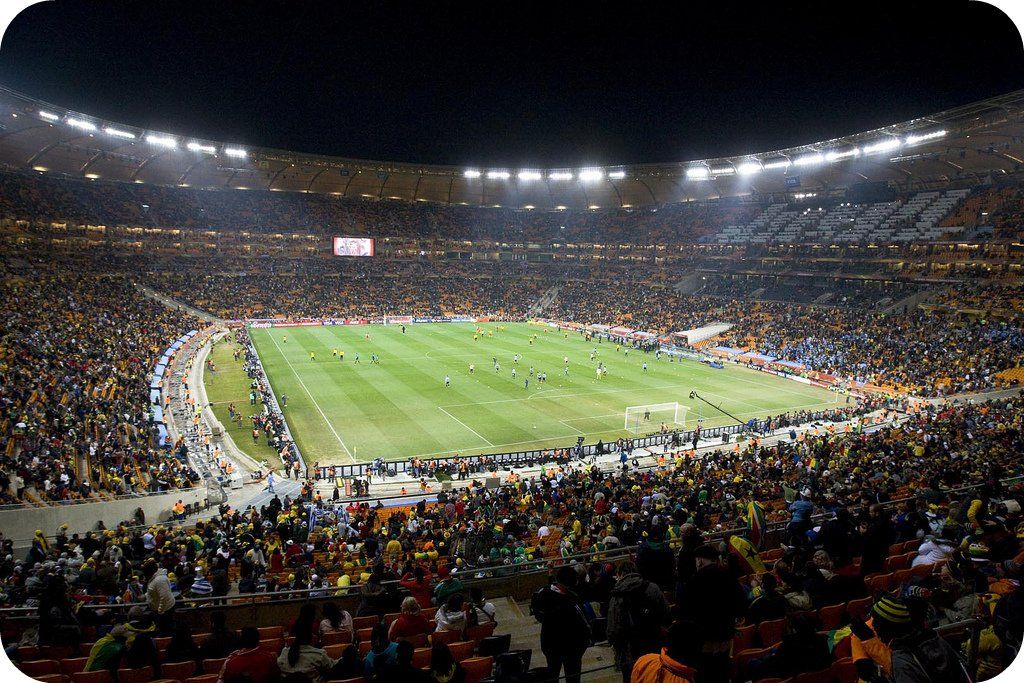
Archive note: The 2026 FIFA World Cup ended on July 19, 2026 — Spain beat Argentina 1-0 after extra time in the final, with Ferran Torres scoring in the 106th minute. It was the first 48-team World Cup, with 104 matches and a total attendance of 6,810,966. This guide is kept as an archive.
The FIFA World Cup in 2026 is played across three countries — the United States, Canada and Mexico — with matches in 16 host cities. That scale changes how a trip has to be planned: the distance between host cities is large, hotels in a host city fill up around match days, and the price of a room can change sharply between a match day and an ordinary day. Planning early, and planning around the match schedule rather than around a single city, is the difference between a workable trip and an expensive one.
Key takeaways
- The 2026 tournament was played in 16 host cities across the United States, Canada and Mexico — the first World Cup with 48 teams and 104 matches.
- The final was played on July 19, 2026: Spain beat Argentina 1-0 after extra time.
- Plan around the match schedule, not a single city: decide which matches to attend first, then work out the cities, then book the hotel and travel between cities.
- Buy match tickets only through FIFA’s official sales channels — tickets from other sources can be fake, sold more than once, or canceled.
Hotels in a host city are busiest on match days and the days around them, and prices rise with demand.
The host cities and the distances
So how do you plan FIFA World Cup 2026 hotels and travel? Decide which matches you want to attend first, then work out the cities, then book the hotel and the travel between cities, and only then fill in the rest of the trip. This guide explains each step, and the booking mistakes that cost fans the most.
The 2026 tournament is spread across 16 host cities in three countries, from Vancouver and Toronto in Canada, through the United States, to Mexico City, Guadalajara and Monterrey in Mexico. The distance between two host cities can be a flight of several hours, not a short drive, so a trip that tries to cover matches in two distant cities needs flights, not a car. Before you book anything, look at the match schedule and the cities, and work out which matches are in the same city or in cities close enough to travel between.
Staying in one host city for several matches is usually cheaper and simpler than moving between cities for every match. A base in one city, with day trips or short stays for a second city, keeps the hotel and travel costs down and avoids the risk of a missed connection between matches. If you do move between cities, leave a full day between a match in one city and a match in the next, so a delayed flight doesn't cost you a match.
Hotels: when to book and what to check
Hotels in a host city are busiest on match days and the days around them, and prices rise with demand. Booking early gives a better choice of location and a better price, but it also means booking before the match schedule is final in some cases, so check the cancellation policy before you book. A refundable rate costs more than a non-refundable rate, and for a trip that depends on match dates and ticket availability, the refundable rate is usually worth the difference.
Check the location, not only the price. A hotel near the stadium is convenient on match day but can be noisy and expensive, and it may be far from the rest of the city. A hotel near public transport, with a direct route to the stadium, is often the better choice. Check the check-in and check-out times against the match times, and check whether the hotel charges a resort fee or a deposit on top of the room rate.
Travel between cities and to the stadium
Flights are the main way to move between host cities, and they should be booked as early as the match plan allows. Domestic flights within the United States, and flights between the three host countries, need identification and, for international travel, a passport and any visa or entry requirement that applies. Check the entry requirements for each country you will visit, and allow extra time at the airport on match days, when many fans are traveling at the same time.
For travel to the stadium, use the transport the host city provides for the tournament. Host cities usually run extra public transport on match days, and some restrict cars near the stadium. Driving to the stadium is often the slowest option, and parking is limited and expensive. Check the host city's transport plan for match days before you decide how to get there.
Tickets, accommodation and scams
Buy match tickets only through FIFA's official sales channels. Tickets sold through other sources can be fake, can be sold more than once, or can be canceled, and a fan who arrives with a fake ticket won't get in. The same caution applies to hotels and travel packages sold by unfamiliar companies: check the company, read reviews, and pay by a method that gives you protection if the booking isn't honored. If a deal looks far cheaper than every other offer, treat it as a warning sign.
Keep the booking confirmations, the ticket confirmations and the identification you need in one place, and keep copies separate from the originals. If you're traveling between countries, keep your passport and your entry documents with you, not in checked luggage.
Budgeting for the trip
The cost of a World Cup trip is the sum of the tickets, the hotels, the travel between cities, the travel to the stadium, food, and the cost of the days between matches. The hotel and the travel are usually the largest costs after the tickets, and they're the ones that rise fastest as the tournament approaches. Set a budget for the whole trip before you book, and track the bookings against it — a trip that's booked one piece at a time, without a total, is the trip that ends up costing far more than expected.
Prices for hotels and flights for a major tournament aren't fixed, and no price quoted here would stay accurate. Check the current price for the dates and the cities you want, compare several options, and book the pieces that can't change — the match dates — before the pieces that can, such as the extra days of sightseeing.
Common mistakes
The most common mistake is booking a hotel before deciding which matches to attend, and then finding the hotel is in the wrong city. A second is booking a non-refundable rate before the tickets are confirmed. A third is underestimating the distance between host cities and planning to drive between them. A fourth is buying tickets from an unofficial source. A fifth is not checking the entry requirements for travel between the three host countries.
World Cup 2026 travel planning starts with the same three choices: where to stay, how to get between host cities, and how to fit World Cup 2026 tickets travel around the match schedule. World Cup 2026 accommodation ranges from hotels near the stadiums to rooms further out with a train or bus link, and World Cup host cities hotels book early because several matches can fall in the same city in one week. World Cup 2026 trip planning rewards booking the hotel first and the transport second, then building the rest of the trip around those two fixed points.
Frequently asked questions
How many host cities are there for the 2026 World Cup?
Sixteen host cities across the United States, Canada and Mexico.
When should I book a hotel for the World Cup?
As early as your match plan allows, and on a refundable rate if the tickets are not yet confirmed. Prices rise as match days approach.
Where should I buy World Cup tickets?
Only through FIFA's official sales channels. Tickets from other sources can be fake or canceled.
Do I need a passport to travel between host cities?
For travel between the United States, Canada and Mexico, yes — check the entry requirements for each country you will visit, including any visa requirement.
Need help?
If this guide does not answer your question, the directory lists every program and tool on this site.
Source: FIFA
Sources
- FIFA — FIFA World Cup 2026 scores and fixtures.