Flood Insurance Waiting Period: When Coverage Starts and When to Buy
Flood insurance is one of the few insurance products that doesn't protect you the day you buy it. Most policies have a waiting period between the purchase date and the date coverage begins, and that gap catches many homeowners by surprise. Buying a policy when a storm is already forecast is usually too late.
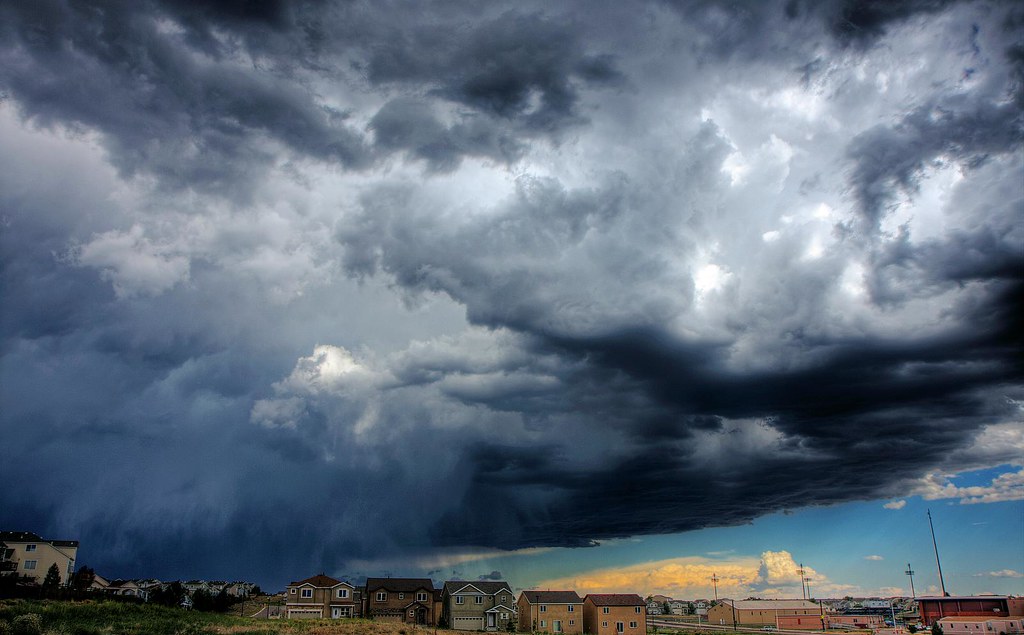
The direct answer is that a new NFIP policy generally takes effect 30 days after you buy it, with a few exceptions, while private flood policies often have shorter waiting periods. The best time to buy is long before flood season, when there is no storm on the horizon. This guide explains the waiting periods, the exceptions, and how to time a purchase.
The NFIP 30-day waiting period
A new NFIP policy generally becomes effective 30 days after the application and premium are received. The waiting period applies to the building and contents coverage in the policy. If a flood occurs during those 30 days, the policy doesn't cover the damage, even if the premium has been paid.
The waiting period exists to prevent people from buying coverage only when a flood is imminent. Without it, a homeowner could wait until a storm was forecast, buy a policy, and claim for damage that was already likely. The 30 days is a fixed rule in the NFIP program, and agents cannot waive it.
Plan around the waiting period. If you buy a policy on the first day of a month, coverage begins about a month later. That means a policy bought at the start of hurricane season may not cover a storm that arrives a few weeks later. Buying in the off-season, when no storm is near, is the only reliable way to be covered when flood season begins.
Exceptions to the waiting period
There are exceptions. If flood insurance is required as a condition of a new mortgage, the policy generally takes effect on the closing date, without the 30-day wait, as long as the application is made at or before closing. This exception covers the common case of a homebuyer who is told by the lender that flood insurance is required.
Another exception applies when a flood map changes. If a map revision places a building in a high-risk zone for the first time, a policy bought within a limited period after the map change may take effect sooner, or immediately, depending on the circumstances. Your agent can explain the exact rule for a map change, because the timing matters.
Renewals are also treated differently. Renewing an existing NFIP policy before it expires usually continues coverage without a new waiting period. The waiting period applies to new policies and to policies that have lapsed, which is another reason not to let a policy expire: a replacement policy brings a fresh 30-day gap.
Private flood insurance waiting periods
Private flood policies set their own waiting periods, and they are often shorter than NFIP's 30 days. Some private insurers offer waiting periods of a few days, and some offer immediate coverage. The exact period is in the policy documents, and it varies by insurer and by product.
A shorter waiting period can be a real advantage if you need coverage quickly, for example when you are buying a home outside the usual NFIP process or when you have let a policy lapse. But a short waiting period is not a reason to delay buying. A private policy bought the day a storm is forecast may still have a waiting period that leaves you uncovered, and some insurers stop writing new policies when a storm is imminent.
Compare waiting periods when you compare quotes. Ask each insurer for the waiting period in writing, along with the premium, deductible, and coverage limits. A policy with a longer waiting period and broader coverage may be better value than a policy with a short waiting period and weak coverage, depending on your situation.
When to buy flood insurance
The best time to buy flood insurance is when the weather is calm and no storm is forecast. For most of the United States, that means buying in the winter or early spring, well before hurricane season or spring flooding. A policy bought in January covers the spring and summer flood season; a policy bought in August may not cover a September storm.
Buy when you buy the home, not later. If you're buying a home in or near a flood zone, get a flood insurance quote during the purchase process, alongside the homeowners insurance quote. Your lender will tell you whether flood insurance is required, and the mortgage exception to the waiting period may apply if you buy at closing.
Revisit the decision after any change: a new flood map, a renovation, an elevation project, or a neighbor's flood. Any of those can change your risk and your premium. Reviewing coverage once a year, at renewal, is a good habit, and it avoids the situation of discovering a gap only when water is rising.
What to do if a storm is coming and you have no coverage
If a storm is forecast and you have no flood insurance, a new NFIP policy won't cover that storm because of the 30-day waiting period. A private policy may have a shorter waiting period, but many insurers stop selling new policies when a storm approaches, and the waiting period may still leave you uncovered.
Focus instead on reducing damage: move valuables and documents to higher floors, elevate appliances and utilities where possible, clear drains and gutters, and follow local evacuation orders. Document the condition of your home with photographs before the storm, and keep receipts for any protective measures. After the flood, check whether any disaster assistance is available through FEMA, and contact your homeowners insurer to check whether any part of the damage is covered under that policy, such as wind damage.
Buy a flood policy after the storm, once the waiting period can run its course before the next flood season. The lesson of an uncovered flood is to buy early next time, and to keep the policy in force without a lapse.
Common mistakes
The most common mistake is waiting until a storm is forecast to buy flood insurance. A second is letting a policy lapse and assuming the replacement starts immediately. A third is assuming a private policy has no waiting period without checking the policy documents. A fourth is buying a policy at closing and assuming the mortgage exception applies when the application was made after closing.
The NFIP waiting period 30 days rule is the one most buyers meet: a new National Flood Insurance Program policy generally takes effect 30 days after you buy it, so the question of when does flood insurance start has a plain answer for most policies. That is why the advice is to buy flood insurance before hurricane season rather than when a storm is already forecast — a policy bought in the path of a storm usually cannot help with that storm. Flood insurance exceptions exist, for example when a lender requires cover for a new loan, and private flood policies often have shorter waiting periods.
Frequently asked questions
How long is the NFIP waiting period?
A new NFIP policy generally takes effect 30 days after the application and premium are received. Exceptions apply for a new mortgage, a map change, and renewals.
Does private flood insurance have a waiting period?
Yes, but it is often shorter than NFIP's 30 days, sometimes only a few days. The exact period is set by the insurer and stated in the policy.
When is the best time to buy flood insurance?
Well before flood season, when no storm is forecast. Buying in the winter or early spring covers the spring and summer flood season; buying in late summer may leave you uncovered for a September storm.
What if a flood happens during the waiting period?
The policy does not cover damage that occurs during the waiting period. Focus on reducing damage, document your home, and check for disaster assistance after the flood.
Sources
- FEMA — National Flood Insurance Program waiting period, fema.gov/flood-insurance.
- FEMA — NFIP policy effective dates and exceptions, fema.gov.
- FloodSmart (FEMA National Flood Insurance Program) — the official source for flood insurance.
Related guides
- NFIP vs Private Flood Insurance: Which Is Right for You?
- Elevation Certificate Cost: Price and Flood Savings
- Community Rating System (CRS): How Your Community's Flood Discount Works
- FEMA Flood Maps: How to Check Your Address
- FEMA Appeal Deadline: 60 Days to Appeal a Denial
- How to Appeal a FEMA Denial: Individual Assistance
- FEMA Individual Assistance: What It Covers, How to Apply