Free Pet Food Through Food Banks and Local Programs
When money is tight, pet food is often one of the first things a household cuts back on — and that puts pets at risk. Many food banks and community organizations now hand out pet food alongside human food, because keeping a pet fed means keeping a pet in its home. Free pet food is available in most parts of the country, but it is not always advertised, and the places that have it are not always the places you would think to ask.
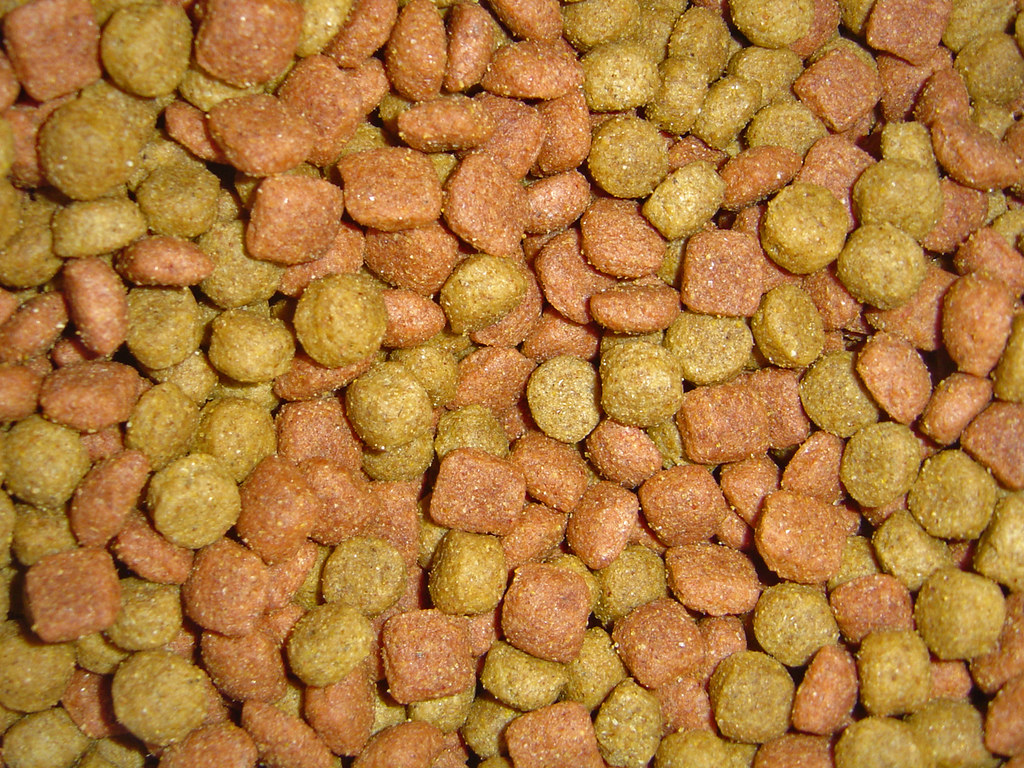
The short answer: ask your local food bank first, then your county animal services department, then dial 211. This guide explains where free pet food is available, what to expect, what to bring, and how to find help in an emergency. Use the Pet Food Pantry Finder on this site to check your own situation.
Food banks and pet food pantries
Many food banks in the Feeding America network hand out pet food when it is donated, and some run dedicated pet food programs. Availability varies by location and by week, because pet food depends on donations from manufacturers, retailers, and individuals. A food bank that has pet food one week may not have it the next, so call ahead or check the food bank's website before you go.
Some communities have pet food pantries that run separately from human food banks. These are often run by animal rescue groups, humane societies, or churches, and they hand out dog and cat food — and sometimes litter, treats, and supplies. Your local humane society or animal rescue can tell you whether a dedicated pet food pantry runs in your area and when it is open.
When you visit a food bank, ask whether pet food is available even if none is on display. Some food banks keep pet food in a separate area and hand it out on request. Tell the staff what kind of pet you have and how many, so they can give you the right food. If the food bank has no pet food, ask whether it can refer you to a pantry that does.
County animal services and humane societies
Your county or city animal services department is a good place to ask. Many run pet food assistance programs, or keep a list of local pantries and distribution events. They may also offer temporary help in a crisis — after a job loss or a natural disaster, for example — to keep pets with their families.
Humane societies and animal shelters hand out pet food in many areas too. Some shelters run a pet food bank for the public, separate from the food they use for shelter animals. Others hand out donated food at community events or through partner organizations. Call the shelter and ask what is available, rather than assuming they only help animals in their care.
Animal rescue groups, breed-specific rescues, and community cat groups can also be sources. These groups often collect donated food and hand it out to families in need, especially for the type of animal they specialize in. A local rescue group may know about a distribution that is not listed anywhere else.
Dial 211 and other referral services
Dial 211, the free referral service run by United Way and local partners, and ask about pet food assistance in your area. The 211 operators can search for food banks, pet pantries, and animal services programs near you, and tell you the hours, the location, and any requirements. The 211 website also lets you search online.
Your local food bank network, your county social services department, and your local community action agency can also refer you. If you already receive food assistance, ask the caseworker or the food bank staff whether pet food is available through the same program. Many organizations that help with human food also know where to find pet food.
Churches, community centers, and mutual aid groups are another source. Some churches run pet food distributions alongside their food pantries, and some mutual aid groups collect pet food for neighbors in need. Ask in local community groups, and check bulletin boards at libraries and community centers.
What to expect and what to bring
Free pet food usually comes as bags or cans of donated food, and the brand and type vary with donations. You may not be able to choose the exact brand your pet is used to, and the food may be for a different life stage or size. If your pet has a medical condition that needs a special diet, tell the pantry staff; they may be able to help, or they may refer you to a veterinarian or a program that provides prescription diets.
Bring identification and, if the program asks for it, proof of address or proof of need. Some programs ask for nothing at all; others ask for a simple registration. Ask when you call whether any documents are required, so you are not turned away. Bring a bag or box to carry the food, and be prepared for limits on how much you can take and how often you can return.
Distribution is often first-come, first-served, and supplies can run out. Arrive early if you can, and check whether the program has a schedule or a waiting list. If you cannot get to a distribution in person, ask whether a friend or family member can collect on your behalf, or whether the program delivers.
If you cannot find pet food locally
If no local program has pet food, ask your veterinarian whether they know of a program or can provide samples. Veterinary clinics sometimes receive donated food and hand it out to clients in need. Pet supply stores sometimes donate food that is near its sell-by date or has damaged packaging; ask the store manager whether they donate and to whom.
Online mutual aid groups and community groups can help too. Many neighborhood groups have members willing to share pet food, and some run regular collections. Be cautious about accepting opened food from strangers, and check that the food is within its use-by date and stored properly.
If the need is urgent and your pet is going without food, contact your county animal services department and explain the situation. They can advise you on emergency options and, in a genuine emergency, may be able to provide food or connect you with a rescue group that can.
How to help if you can donate
If you are in a position to donate, pet food banks need unopened bags and cans of dog and cat food, and they also need litter, treats, and supplies. Donate through your local food bank, humane society, or pet food pantry, and ask what they need most. Cash donations let the organization buy the food it needs, when it needs it.
Donating pet food keeps pets in their homes and out of shelters — that is the goal of every pet food program. A single bag of food can be the difference between a family keeping its pet and surrendering it, and that is why these programs matter.
Start with the pet food pantry or food bank in your county: many run a separate pet shelf, and some deliver with a regular food box. A free dog food food bank route also runs through animal shelters and rescue groups, which often keep donated food for owners who ask. Ask whether the pantry needs proof of income or a pet’s vaccination record, because the rules vary, and check the expiry date on any donated food before you feed it.
Frequently asked questions
Where can I get free pet food?
Your local food bank first, then your county animal services department or humane society — and dial 211 for referrals. Some communities also have dedicated pet food pantries run by rescue groups or churches.
Do I need proof of income to get free pet food?
It depends on the program: some ask for nothing, others ask for identification or proof of address. Call ahead and ask what is required.
Can I choose the brand of pet food?
Usually not — free pet food depends on donations, so the brand and type vary. Tell the pantry what kind of pet you have so they can give you the right food.
What if my pet needs a special diet?
Tell the pantry staff. They may be able to help, or refer you to a veterinarian or a program that provides prescription diets.
Sources
- Feeding America — food bank network and pet food distribution, feedingamerica.org.
- 211 — free referral service for food and pet food assistance, 211.org.
- 211 — dial 2-1-1 or search 211.org for local pet food pantries, humane societies and animal services.
Related guides
- SNAP Eligibility: Federal Tests and State Rules
- Emergency Rental Assistance: How to Apply and What to Expect
- National Domestic Violence Hotline and Local Help Finder
- Pet Food Pantry Finder: Where to Get Free Pet Food Near You
- Double Up Food Bucks: Twice the Fresh Food on SNAP
- Emergency Food Assistance: How to Get Food Today
- Food Distribution Program on Indian Reservations (FDPIR)