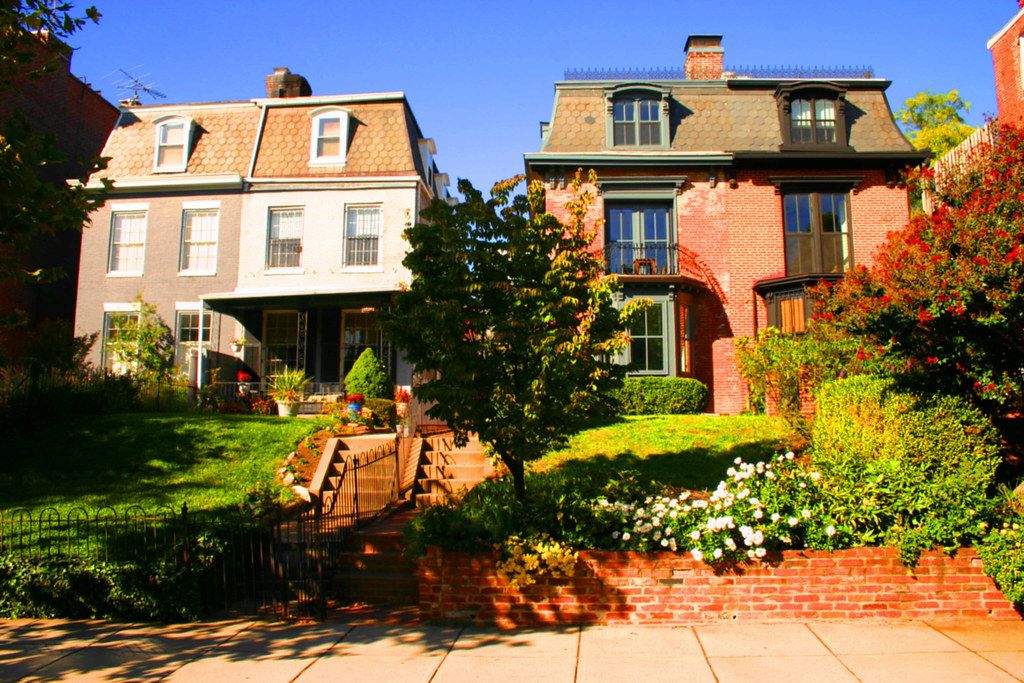
Good Neighbor Next Door is a U.S. Department of Housing and Urban Development (HUD) program that offers eligible public servants a substantial discount on certain HUD-owned homes. It is aimed at people who serve the community where they would live — teachers, law enforcement officers, firefighters, and emergency medical technicians — and it is designed to encourage them to live in the areas they serve. Good Neighbor Next Door homes are HUD-owned homes sold at a substantial discount to eligible public servants.
Good Neighbor Next Door is a narrow program, not a general homebuyer discount: the homes are HUD-owned homes in revitalization areas, the number of homes is small, the listing window is short, and a lottery may decide between multiple eligible buyers for the same home. The practical step is to check HUD's listings regularly and be ready to act when a suitable home appears. The occupancy commitment — 36 months as your sole residence — is the part of the program to weigh most carefully before buying.
The short answer is that the program is narrow: it applies to a limited set of homes, in a limited set of areas, for a limited set of professions, and it comes with a commitment to live in the home. This guide explains who qualifies, how the listings work, and what the commitment involves.
Key takeaways
- Good Neighbor Next Door is a HUD program offering eligible public servants a substantial discount on certain HUD-owned homes.
- It is for four professions: teachers, law enforcement officers, firefighters, and emergency medical technicians.
- The homes are HUD-owned homes in revitalization areas — the number of homes is small and the listing window is short.
- A home is listed for seven days, and a lottery may decide between multiple eligible buyers for the same home.
- The buyer must live in the home as their sole residence for 36 months — and the exact discount, down payment, and occupancy terms must be checked on HUD's current program pages.
The homes in the program are HUD-owned homes in revitalization areas — areas HUD has identified for community renewal.
Who Good Neighbor Next Door is for
The program is for four groups: teachers, law enforcement officers, firefighters, and emergency medical technicians. It covers four professions, with a 36-month occupancy requirement, a seven-day listing period, a lottery, and a low down payment for an FHA loan: the discount is 50 percent off HUD's list price, and the down payment is $100 with an FHA-insured mortgage.
Each profession has its own eligibility rules. A teacher, for example, must generally be employed full-time by a public or private school serving students from the area where the home is located, and a law enforcement officer must generally be employed full-time by a law enforcement agency. The exact employment and service requirements differ by profession, so check HUD's guidance for your profession.
How the homes and listings work
The homes in the program are HUD-owned homes in revitalization areas — areas HUD has identified for community renewal. The homes are listed for a short period: a seven-day listing window, followed by a lottery when more than one eligible buyer applies for the same home. The listing period and the lottery are part of HUD's program rules, and the current details are on HUD's program pages.
Because the number of homes is small and the listing window is short, the practical step is to check HUD's listings regularly and be ready to act when a suitable home appears. A buyer who is not pre-approved for a mortgage, or who has not checked their eligibility, will struggle to move quickly enough when a home is listed.
The discount and the occupancy commitment
The program offers a discount on the list price of the home, and a low down payment through an FHA loan. The discount is 50 percent off HUD's list price, and the down payment is $100 with an FHA-insured mortgage. The discount is not a gift without conditions: it comes with a commitment to live in the home as your sole residence for a period of 36 months.
The occupancy commitment is the part of the program to weigh most carefully. A buyer who moves out before the commitment period ends can face consequences, including repaying part of the discount. The commitment means the program suits a buyer who plans to stay in the area and in the home for the full period — not a buyer who wants a short-term purchase or an investment property.
How to apply, step by step
Start by confirming eligibility for your profession, using HUD's program guidance. Then check HUD's listings for homes in the area, and check the listing period for each home. Get pre-approved for a mortgage, including checking whether an FHA loan and the program's down payment terms apply. When a suitable home is listed, submit the offer through the process HUD describes — and remember a lottery may decide between multiple eligible buyers.
If the offer is accepted, the purchase proceeds through the usual steps — inspection, appraisal, and closing — with the program's own requirements added. The occupancy commitment begins after the purchase, and you should keep a record of the program's terms, the closing documents, and any certification required during the occupancy period.
Worked example: the timeline of a purchase
A home listed on a Monday is open for seven days; if two eligible buyers apply, a lottery decides between them. The winner then has the usual purchase steps — inspection, appraisal, closing — and the 36-month occupancy commitment begins after the purchase: three years living in the home as a sole residence, or face repaying part of the discount. The short window is why the guide stresses being pre-approved and eligibility-checked before a suitable home appears.
Common mistakes with Good Neighbor Next Door
The most common mistake is assuming any HUD home qualifies, or that any teacher or officer qualifies automatically. The program is narrow, and both the home and the buyer must meet its rules. A second mistake is not being ready when a home is listed: the short listing window rewards buyers who are pre-approved and have checked their eligibility in advance. A third is underestimating the occupancy commitment, and buying a home you do not plan to live in for the full period. A fourth is relying on a third-party article for the discount or down payment figure rather than HUD's own pages.
HUD good neighbor next door homes are sold at a discount to teachers, law enforcement officers, firefighters, and emergency medical technicians who agree to live in the home. GNND program eligibility turns on the job, the home’s location in a revitalization area, and the three-year occupancy promise, so check all three before you bid. Good neighbor next door listings appear on the HUD Home Store, and the listings move fast, so set up a search for your area and be ready with pre-approval. HUD homes for teachers, police, and firefighters are the same program under a plainer name, and the discount, the occupancy rule, and the bidding process are the three things to understand first.
Frequently asked questions
Who can buy a home through Good Neighbor Next Door?
Teachers, law enforcement officers, firefighters, and emergency medical technicians who meet the program's employment and service requirements. Check the exact requirements for your profession on HUD's program pages.
What kind of homes are in the program?
HUD-owned homes in revitalization areas — the number of homes is small, they are listed for a short period, and a lottery may decide between multiple eligible buyers for the same home.
How long do I have to live in the home?
36 months as your sole residence. Confirm the exact terms on HUD's current program pages before buying.
Is there a down payment discount?
The program includes a low down payment through an FHA loan: $100 with an FHA-insured mortgage.
How do I find Good Neighbor Next Door listings?
Through HUD's listings. Because the number of homes is small and the listing window is short, check the listings regularly and be ready to act when a suitable home appears.
Can any teacher or officer buy any HUD home through the program?
No. The program covers HUD-owned homes in revitalization areas only, and each profession has its own eligibility rules. Assuming any HUD home qualifies, or that any teacher or officer qualifies automatically, is the most common mistake — confirm eligibility for your profession using HUD's program guidance.
Need help?
If this guide does not answer your question, the directory lists every program and tool on this site.
Sources
- U.S. Department of Housing and Urban Development — hud.gov: Good Neighbor Next Door program guidance, listings, and eligibility rules. Discount, down payment, listing period, and occupancy terms.
- 211 — dial 2-1-1 or search 211.org for local device, hotspot and technology access programs.