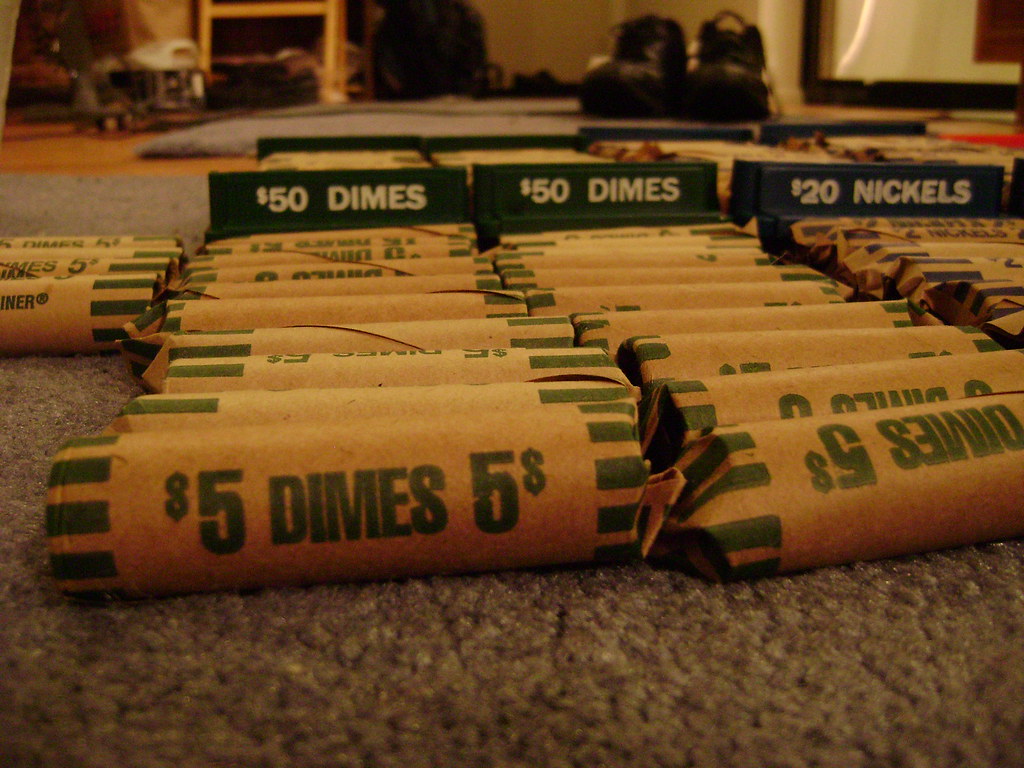
It costs 13.78 cents to make a nickel, according to the U.S. Mint's fiscal 2024 annual report. That is nearly three times the coin's 5-cent face value, and the nickel has cost more to produce than it is worth for 19 consecutive fiscal years. This guide breaks down the Mint's published costs, compares the nickel with the other coins, and explains what happens next. It is part of our Money & Tax hub.
Key takeaways
- That is nearly three times the coin's 5-cent face value, and the nickel has cost more to produce than it is worth for 19 consecutive fiscal years.
- Quick answer: The reason is the metal: a nickel is a solid disc of cupronickel, 75 percent copper and 25 percent nickel, and both metals cost real money.
- The U.S. Mint publishes a unit cost for each denomination every year, covering the metal, striking, and delivery to the Federal Reserve.
- The penny and the nickel are the only coins that cost more than face value to make, and both have done so for 19 consecutive fiscal years.
Quick answer: The reason is the metal: a nickel is a solid disc of cupronickel, 75 percent copper and 25 percent nickel, and both metals cost real money.
A nickel weighs 5 grams and is made of cupronickel, 75 percent copper and 25 percent nickel, all the way through: it is the only circulating US coin made of a single alloy rather than a clad sandwich.
How much does it cost to make a nickel? The Mint's figures
| Fiscal year | Cost to make and distribute one nickel |
|---|---|
| FY 2022 | 10.41 cents |
| FY 2023 | 11.54 cents |
| FY 2024 | 13.78 cents |
| FY 2025 | 13.31 cents |
The U.S. Mint publishes a unit cost for each denomination every year, covering the metal, striking, and delivery to the Federal Reserve. The nickel's cost jumped 19.4 percent in fiscal 2024, from 11.54 cents to 13.78 cents, driven mostly by higher metals acquisition costs. The fiscal 2025 report put the nickel at 13.31 cents, down slightly from the fiscal 2024 peak. The Mint shipped 202 million nickels in fiscal 2024, down sharply from nearly 1.42 billion the year before, as the Federal Reserve ordered fewer coins.
Every nickel the Mint makes loses about 8.78 cents at the fiscal 2024 cost, a loss the Treasury absorbs. The Mint sells coins to the Federal Reserve at face value, and the difference between face value and production cost is called seigniorage. For nickels and pennies, seigniorage is negative: the government loses money on every coin. For dimes, quarters, and half dollars, which cost less than face value to make, seigniorage is positive and offsets some of the loss.
Worked example
The per-coin loss adds up: at 8.78 cents lost per nickel in fiscal 2024, the 202 million nickels the Mint shipped that year cost the Treasury about $17.7 million above their face value. The cost fell slightly in fiscal 2025 to 13.31 cents, cutting the per-coin loss to 8.31 cents — still more than the coin is worth.
Why a nickel costs more than 5 cents
The metal is the main cost. A nickel weighs 5 grams and is made of cupronickel, 75 percent copper and 25 percent nickel, all the way through: it is the only circulating US coin made of a single alloy rather than a clad sandwich. Copper and nickel are both industrial metals traded on world markets, and their prices rose through 2023 and 2024. The Mint also pays for the blank, the striking process, quality inspection, and shipping the finished coins to Federal Reserve Banks around the country. The unit cost the Mint reports bundles all of that together.
The composition is set by law, so the Mint cannot quietly switch to a cheaper metal. Changing the nickel's composition would require an act of Congress, and past proposals have stalled over concerns about vending machines, coin counters, and counterfeit detection, all of which are calibrated to the current coin's weight and electromagnetic signature. The Mint has studied alternative compositions, but as of the fiscal 2024 report no change had been made.
Nickel cost vs the other coins
| Coin | Face value | Cost to make, FY 2024 |
|---|---|---|
| Penny | 1 cent | 3.69 cents |
| Nickel | 5 cents | 13.78 cents |
| Dime | 10 cents | 5.76 cents |
| Quarter | 25 cents | 14.68 cents |
| Half dollar | 50 cents | 33.97 cents |
The penny and the nickel are the only coins that cost more than face value to make, and both have done so for 19 consecutive fiscal years. The penny's cost reached 3.69 cents in fiscal 2024, nearly four times its face value, and the Treasury lost about $85 million on penny production that year. The Mint struck its last circulating pennies on November 12, 2025, after the administration ordered an end to penny production. The nickel is now the coin under the most scrutiny: at 13.78 cents against a 5-cent face value, it loses more per coin than any other denomination, and Congress has debated its future, though no law ending nickel production had been signed as of late 2026.
What happens if the nickel is discontinued?
If nickel production ended, existing nickels would remain legal tender, just as pennies did after production stopped. Cash transactions would likely round to the nearest 10 cents, as Canada did when it eliminated its penny in 2012. Electronic payments would be unaffected, since card and digital transactions already use exact amounts. Vending machines, parking meters, and laundromats would need reprogramming, and the Mint would save the per-coin loss on the hundreds of millions of nickels it strikes each year.
The debate is not only about cost: some argue the nickel is still useful for exact change and for pricing, while others point out that the coin's purchasing power has fallen so far that rounding would barely register. For now, the nickel is still being made, still costs nearly 14 cents, and still loses money on every coin.
Frequently asked questions
How much does it cost to make a nickel?
13.78 cents in fiscal 2024, according to the U.S. Mint's annual report — nearly three times the coin's 5-cent face value. The fiscal 2025 figure was 13.31 cents, down slightly.
Why does a nickel cost more than 5 cents to make?
The metal. A nickel is 5 grams of solid cupronickel, 75% copper and 25% nickel, and both metals cost real money. The Mint's unit cost also covers striking, inspection, and delivery to the Federal Reserve.
How much does it cost to make a penny?
3.69 cents in fiscal 2024, nearly four times its face value. The Mint struck its last circulating pennies on November 12, 2025, after the administration ordered an end to penny production.
Does the government lose money on every nickel?
Yes. At the fiscal 2024 cost of 13.78 cents, the Treasury loses about 8.78 cents on each nickel. The loss is partly offset by seigniorage on dimes, quarters, and half dollars, which cost less than face value.
Will the nickel be discontinued?
Not yet. Congress has debated the nickel's future and the Mint's losses, but no law ending nickel production had been signed as of late 2026. If production ended, existing nickels would remain legal tender.
Need help?
If this guide does not answer your question, the directory lists every program and tool on this site.
Source: United States Mint
Sources
- United States Mint — Reports — Annual reports with per-coin unit costs: nickel 13.78 cents in FY 2024, 11.54 cents in FY 2023, 10.41 cents in FY 2022.
- Associated Press via Barchart — coin production costs — Nickel 13.78 cents, penny 3.69 cents, dime 5.76 cents, quarter 14.68 cents in FY 2024; 19 consecutive years above face value.