Is Weed Legal by State? 50-State Cannabis Laws
State guideWeed is legal for recreational use by adults 21 and over in 24 states and Washington, DC, and for medical use in 41 states plus DC — but the rules change completely at every state line.
Weed is legal for recreational use by adults 21 and over in 24 states and Washington, DC, and for medical use in 41 states plus DC — but the rules change completely at every state line. Some legal states have licensed shops; others allow possession but nowhere to buy. Some medical-only states have working dispensaries; others have a program on paper with no sales yet.
Key takeaways
- Some legal states have licensed shops; others allow possession but nowhere to buy.
- Some medical-only states have working dispensaries; others have a program on paper with no sales yet.
- And cannabis remains illegal under federal law for recreational use, even in states where it is legal.
- Recreational marijuana is legal for adults 21 and over in 24 states plus Washington, DC.
And cannabis remains illegal under federal law for recreational use, even in states where it is legal. This guide gives the full 50-state plus DC picture in one table, then looks in detail at the four places readers ask about most: Virginia, Illinois, Michigan, and Washington, DC. It is general information, not legal advice. It is part of our Legal Help hub.
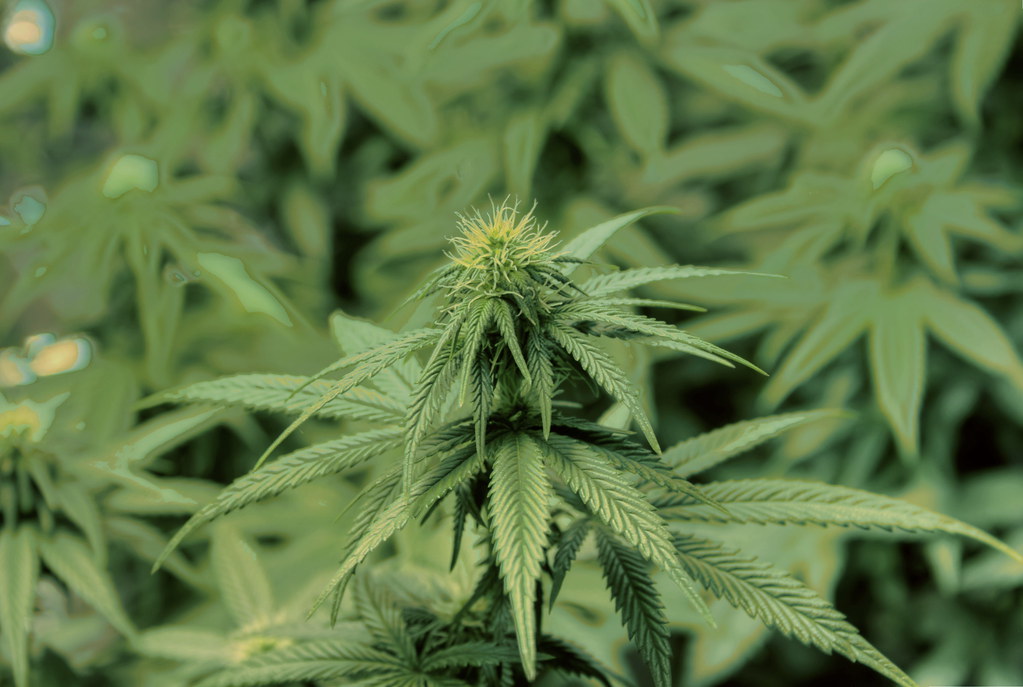
Virginia legalized adult possession and home growing in July 2021.
Cannabis laws in all 50 states and Washington, DC
The table below shows, for each state and DC, whether recreational use is legal for adults 21 and over, whether a medical program exists, and whether small-amount possession is decriminalized — meaning it is not a criminal offense under state law, though a civil fine may still apply. "Yes" in the medical column means a comprehensive medical program under the National Conference of State Legislatures (NCSL) definition; "Low-THC/CBD only" means the state allows only low-THC or CBD products for a narrow list of patients. Statuses were checked against the NCSL state medical cannabis laws list and the DISA state tracker, as compiled in October 2026. Laws change — check your state regulator before you buy, grow, or travel with cannabis.
| State | Recreational | Medical | Decriminalized | Notes |
|---|---|---|---|---|
| Alabama | No | Yes | No | Medical program since 2021; first dispensary opened June 2026; no smokable flower. |
| Alaska | Yes (2014) | Yes | Yes | Retail sales open. |
| Arizona | Yes (2020) | Yes | Yes | Retail sales open. |
| Arkansas | No | Yes | No | Recreational measure failed in 2022. |
| California | Yes (2016) | Yes | Yes | Retail sales open; many localities ban retail businesses. |
| Colorado | Yes (2012) | Yes | Yes | Retail sales open. |
| Connecticut | Yes (2021) | Yes | Yes | Retail sales open. |
| Delaware | Yes (2023) | Yes | Yes | Retail sales open since August 2025; home growing prohibited. |
| District of Columbia | Yes (2014) | Yes | Yes | No regulated retail sales; possession and home growing legal. |
| Florida | No | Yes | No | 2024 recreational measure failed (55.9%; 60% required). |
| Georgia | No | Yes | No | Full medical program as of May 2026; vaporization only, no smoking flower. |
| Hawaii | No | Yes | Yes | Medical only; 2026 legalization bills stalled. |
| Idaho | No | None | No | No cannabis program at all. |
| Illinois | Yes (2019) | Yes | Yes | Retail sales open; home growing for medical patients only. |
| Indiana | No | Low-THC/CBD only | No | No comprehensive medical program. |
| Iowa | No | Low-THC/CBD only | No | No comprehensive medical program. |
| Kansas | No | Low-THC/CBD only | No | No comprehensive medical program. |
| Kentucky | No | Yes | No | First medical dispensary opened December 2025. |
| Louisiana | No | Yes | Yes | Medical only. |
| Maine | Yes (2016) | Yes | Yes | Retail sales open. |
| Maryland | Yes (2022) | Yes | Yes | Retail sales open. |
| Massachusetts | Yes (2016) | Yes | Yes | Retail sales open; voters rejected a repeal measure (Question 8) in November 2026. |
| Michigan | Yes (2018) | Yes | Yes | Retail sales open. |
| Minnesota | Yes (2023) | Yes | Yes | Retail sales open since September 2025. |
| Mississippi | No | Yes | Yes | Medical only. |
| Missouri | Yes (2022) | Yes | Yes | Retail sales open. |
| Montana | Yes (2020) | Yes | Yes | Retail sales open. |
| Nebraska | No | Yes | Yes | Voters approved medical in 2024; no dispensaries open yet. |
| Nevada | Yes (2016) | Yes | Yes | Retail sales open. |
| New Hampshire | No | Yes | Yes | Medical only; 2026 legalization bill tabled. |
| New Jersey | Yes (2020) | Yes | Yes | Retail sales open. |
| New Mexico | Yes (2021) | Yes | Yes | Retail sales open. |
| New York | Yes (2021) | Yes | Yes | Retail sales open. |
| North Carolina | No | Low-THC/CBD only | Yes | Small-amount possession is a fine-only misdemeanor. |
| North Dakota | No | Yes | Yes | Recreational measures failed in 2022 and 2024. |
| Ohio | Yes (2023) | Yes | Yes | Retail sales open since August 2024. |
| Oklahoma | No | Yes | No | Recreational measure failed in 2023. |
| Oregon | Yes (2014) | Yes | Yes | Retail sales open. |
| Pennsylvania | No | Yes | No | 2025 legalization bill died in the Senate. |
| Rhode Island | Yes (2022) | Yes | Yes | Retail sales open. |
| South Carolina | No | Low-THC/CBD only | No | No comprehensive medical program. |
| South Dakota | No | Yes | No | Recreational measures failed in 2022 and 2024. |
| Tennessee | No | Low-THC/CBD only | No | No comprehensive medical program. |
| Texas | No | Yes (limited) | No | Compassionate Use Program: no smoking, no raw flower; expanded in 2025. |
| Utah | No | Yes | No | Medical only. |
| Vermont | Yes (2018) | Yes | Yes | Retail sales open. |
| Virginia | Yes (2021) | Yes | Yes | Possession and home growing legal; retail stores set to open July 1, 2027. |
| Washington | Yes (2012) | Yes | Yes | Retail sales open; home growing for patients only. |
| West Virginia | No | Yes | No | Medical only. |
| Wisconsin | No | Low-THC/CBD only | No | No comprehensive medical program. |
| Wyoming | No | Low-THC/CBD only | No | No comprehensive medical program. |
Three patterns stand out. First, the map has mostly stopped moving: no state has legalized recreational marijuana by ballot since Ohio in November 2023, or by legislature since Minnesota and Delaware in 2023, and voters have rejected most recreational measures put to them since 2022. Second, medical access is far wider than recreational access — 41 states plus DC have comprehensive medical programs, including 17 states where recreational use is still illegal.
Third, the gaps matter as much as the headline: Virginia allows possession but has no open retail market, Nebraska's voter-approved medical program has licensed no dispensaries yet, and Texas's medical program is tightly limited. A "Yes" in the table is the start of the answer, not the whole of it.
Is weed legal in Virginia?
Yes, for adults 21 and over. Virginia legalized adult possession and home growing in July 2021. Adults may possess cannabis and grow up to four plants per household. What Virginia has not had is a legal place to buy recreational cannabis: for several years, retail sales bills stalled, and adults could only buy from licensed medical dispensaries with a medical card. That changed with the June 2026 state budget, which added an adult-use retail framework; licensed stores are set to open July 1, 2027.
Until the stores open, buying recreational cannabis in Virginia remains illegal even though possessing it is not — a gap that confuses many people. Check the Virginia Cannabis Control Authority for the current rules before you buy, grow, or carry cannabis in the state.
Is weed legal in Illinois?
Yes. Illinois legalized recreational cannabis in January 2020, and licensed dispensaries are open across the state. Adults 21 and over may buy and possess cannabis within the limits set in state law — Illinois raised its possession limits in June 2026 — and non-residents may buy as well, subject to lower limits. Home growing is the main restriction: unlike the other three places on this page, Illinois reserves home cultivation to registered medical patients, who may grow up to five plants.
Recreational users may not grow at home. Cannabis use is banned in public places, in vehicles, and near schools, and employers and landlords can still set their own rules. The Illinois Department of Financial and Professional Regulation and the state's cannabis portal publish the current limits and licensed dispensary lists.
Is weed legal in Chicago?
Yes. Chicago follows Illinois state law, so recreational cannabis has been legal for adults 21 and over since January 1, 2020, and licensed dispensaries operate across the city. Buying is straightforward: bring a valid government-issued photo ID, buy only from a state-licensed dispensary, and pay with cash or a debit card - most dispensaries do not take credit cards, because cannabis is still illegal under federal law and banks follow federal rules. Visitors from out of state can buy too, with lower possession limits.
Home delivery is not legal in Illinois - a delivery bill was introduced in 2025 but has not passed - so the only legal way to get cannabis is to visit a dispensary in person, though most shops let you order online and pick up in store, and curbside pickup and drive-through service became possible in June 2026 where the state has approved a shop's setup.
Possession limits doubled in June 2026. Under the current statute (410 ILCS 705/10-10, as amended by Public Act 104-0463, signed June 12, 2026), an Illinois resident 21 or over may possess 60 grams of cannabis flower, 10 grams of concentrate, and infused products containing up to 1,000 milligrams of THC; a non-resident may possess half of each - 30 grams, 5 grams and 500 milligrams. The limits are cumulative, so you may hold the full amount in each category at once. Older pages still list 30 grams as the resident limit - that was the figure before the June 2026 change.
Where you use it is the part that catches visitors out. Cannabis use is banned in any public place - streets, sidewalks, parks and the lakefront all count - in any vehicle, moving or parked, near schools, and on federal property. The legal places are private property where the owner allows it, and a business holding a local on-premises consumption license. Chicago's municipal code backs the public-use ban with fines: $50 for a first offense and $100 for a second within 30 days.
State law lets cities authorize consumption lounges, but as of October 2026 no approved lounge had been identified in Chicago itself, so visitors without access to private property have no legal place to use what they buy. Expect to pay the state's Cannabis Purchaser Excise Tax on top of sales tax: 10 percent on flower and products at or under 35 percent THC, 20 percent on infused products such as edibles, and 25 percent on products above 35 percent THC.
Is weed legal in Michigan?
Yes. Michigan voters legalized recreational cannabis in December 2018, and licensed retailers are open statewide. Adults 21 and over may possess up to 2.5 ounces of cannabis in public (with a separate limit for concentrates) and up to 10 ounces at home, and may grow up to 12 plants per household for personal use. Michigan has some of the most permissive home-growing rules in the country. Public use is still prohibited, driving while impaired is illegal, and local governments can restrict where licensed businesses operate — so a shop that is legal in one city may not be permitted in the next. Michigan's Cannabis Regulatory Agency publishes the current rules and licensee lists.
Is weed legal in the District of Columbia?
Yes, for adults 21 and over. DC voters approved Initiative 71 in 2014, and possession and home growing have been legal since February 2015. Adults may possess up to 2 ounces and grow up to six plants per person, with no more than three mature at a time. What DC does not have is a legal recreational market: Congress has blocked the District from creating licensed adult-use shops, so there is nowhere to buy recreational cannabis legally in DC.
The medical program is separate and regulated. Because so much of DC is federal land — the National Mall, federal buildings, national parks — the federal ban matters more here than almost anywhere else: cannabis that is legal on a DC sidewalk is illegal a few steps away on federal property. DC's Alcoholic Beverage and Cannabis Administration publishes the current rules.
What is still illegal in all four places
- Underage use. Every jurisdiction sets the legal age at 21. Selling or giving cannabis to someone under 21 is a crime.
- Driving impaired. Driving under the influence of cannabis is illegal in all four places, and each has its own testing and penalty rules.
- Public use. Smoking or using cannabis in public is restricted or banned in each jurisdiction, even where possession is legal.
- Crossing state lines. Taking cannabis from a legal state into a state where it is illegal is illegal, even if you bought it legally. Federal law also bans transporting cannabis across state lines.
- Federal property. Cannabis is illegal on federal land everywhere in the United States, including inside legal states.
- Unlicensed selling. Selling cannabis without a license is illegal in every state, including states with legal retail markets.
The federal picture is also shifting: since April 28, 2026, marijuana sold under a state medical license and FDA-approved marijuana products sit in Schedule III rather than Schedule I, but recreational marijuana remains Schedule I and illegal under federal law. That federal-state gap is why banks, employers, landlords, and immigration officials can still treat cannabis differently from state law — and why checking the official source for your situation matters more than any summary.
Frequently asked questions
How many states have legalized weed?
Recreational marijuana is legal for adults 21 and over in 24 states plus Washington, DC. Another 17 states allow medical use only, 8 states allow only low-THC or CBD products, and Idaho has no cannabis program at all.
Is weed legal in Virginia?
Yes, for adults 21 and over. Possession and home growing (up to four plants per household) have been legal since July 2021. Licensed adult-use retail stores are set to open July 1, 2027; until then, only licensed medical dispensaries may sell cannabis legally.
Is weed legal in Illinois?
Yes. Recreational cannabis has been legal since January 2020, and licensed dispensaries are open. Adults 21+ may buy and possess cannabis within state limits. Home growing is limited to registered medical patients, who may grow up to five plants.
Is weed legal in Chicago?
Yes, for adults 21 and over. Chicago follows Illinois law: licensed dispensaries sell to residents and visitors with a valid photo ID, and residents may possess up to 60 grams of flower, 10 grams of concentrate and 1,000 mg of THC in infused products (visitors half that). Use is limited to private property - public use, including streets, parks and vehicles, is banned, and Chicago fines start at $50.
Is weed legal in Michigan?
Yes. Recreational cannabis has been legal since December 2018, with licensed shops open. Adults 21+ may possess up to 2.5 ounces in public and 10 ounces at home, and grow up to 12 plants per household.
Is weed legal in Washington, DC?
Yes, for adults 21 and over. Possession of up to 2 ounces and home growing of up to six plants have been legal since 2015. There are no licensed adult-use shops, because Congress blocks DC from creating a retail market.
Can I take weed from one legal state to another?
No. Transporting cannabis across state lines is illegal under federal law, even between two states where it is legal. It is also illegal to bring cannabis into a state where it is not legal.
Is weed legal under federal law?
No, not for recreational use. Recreational marijuana remains a Schedule I drug under federal law. Since April 28, 2026, marijuana sold under a state medical license and FDA-approved marijuana products are in Schedule III, but that change does not cover recreational use.
Need help?
If this guide does not answer your question, the directory lists every program and tool on this site.
Sources
- Smart Approaches to Marijuana — Marijuana Laws by State (October 2026) — The 50-state table source: compiled from NCSL State Medical Cannabis Laws (updated September 2, 2026), DISA, state statutes, and state agencies.
- National Conference of State Legislatures — State Medical Cannabis Laws: the authoritative state-by-state list of medical and adult-use programs.
- Virginia Cannabis Control Authority — Virginia's cannabis regulator; current rules on possession, home growing, and the retail rollout.
- Illinois Cannabis Regulation Oversight Office — Illinois rules on adult-use purchase, possession limits, and licensed dispensaries.
- Illinois General Assembly — Cannabis Regulation and Tax Act, Article 10 — The current statute: possession limits (Section 10-10) and use restrictions (Section 10-35), as amended by Public Act 104-0463.
- City of Chicago — Cannabis Information Center, Consumption & Possession — The city’s own guidance on where cannabis may and may not be used in Chicago.
- Michigan Cannabis Regulatory Agency — Michigan's cannabis regulator; rules, limits, and licensed business lists.
- DC Alcoholic Beverage and Cannabis Administration — District of Columbia cannabis rules for possession, home growing, and the medical program.
- Ballotpedia — Massachusetts Question 8 (2026) — Question 8, which would have ended retail sales, was defeated on November 3, 2026 (75.63% No, unofficial results).