Under the program, a developer receives tax credits in exchange for agreeing to keep a share of the apartments affordable for a set period, usually at least 30 years.
What LIHTC is
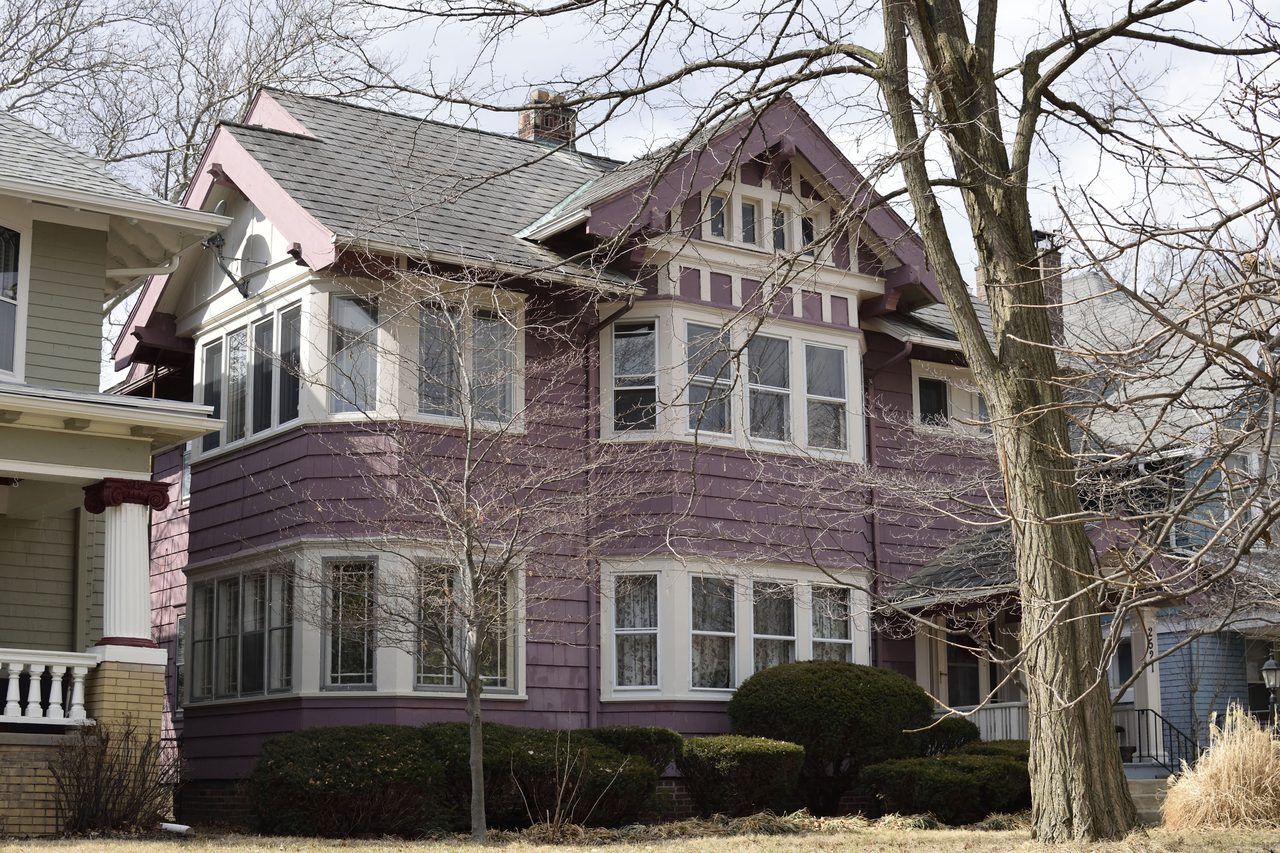
LIHTC apartments are one of the largest sources of affordable rental housing in the United States, and one of the least understood. LIHTC stands for the Low-Income Housing Tax Credit, a federal program that gives tax credits to developers who build or rehabilitate apartments and keep the rents affordable for people with limited income. The result is a home that looks like an ordinary apartment, in an ordinary building, with a rent that is capped by law. This guide explains how the program works, who qualifies, and — most importantly — how to find these apartments, because there is no single national list and no central application.
Key takeaways
- LIHTC stands for the Low-Income Housing Tax Credit, a federal program that gives tax credits to developers who build or rehabilitate apartments and keep the rents affordable for people with limited income.
- LIHTC apartments are income-restricted: the rent is capped by law and tied to the area's income limits, so the rent does not rise with the market.
- The subsidy is in the building, not in a voucher you carry — a LIHTC apartment is not public housing and it is not a voucher.
- Most properties set the income limit at 60 percent of Area Median Income, though some use lower thresholds; the limit depends on household size.
- There is no single national list and no central application — each property manages its own applications and its own waitlist.
- Developers must keep the apartments affordable for a set period, usually at least 30 years.
How LIHTC works
Low income housing tax credit apartments are income-restricted apartments: the rent is capped by law, and the cap is tied to the area’s income limits, so the home looks ordinary but the rent does not rise with the market. LIHTC eligibility is about household income and size, and the subsidy is in the building, not in a voucher you carry — which is the difference from a Section 8 voucher, and why a LIHTC apartment is not public housing either.
Under the program, a developer receives tax credits in exchange for agreeing to keep a share of the apartments affordable for a set period, usually at least 30 years. The affordable apartments are reserved for households whose income is below a threshold set as a percentage of Area Median Income — commonly 60 percent, though some properties use lower thresholds. Rents are capped based on the income limit and the number of bedrooms, so the rent is tied to the area's income level rather than to the market rate for the apartment.
The important consequence is that a LIHTC apartment is not public housing and it is not a voucher. The subsidy is in the building, not in the tenant: the rent is low because the building was financed with tax credits, and the tenant doesn't carry a subsidy from one home to another. If you move out, the next tenant who qualifies takes the apartment at the restricted rent.
Who qualifies
Eligibility depends on household income compared with the Area Median Income for the area, and on household size. A property may set its limit at 60 percent of AMI, or it may have apartments at different limits — some at 50 percent, some at 60 percent. The exact limit is set by the property, within the program's rules, and it is published in the property's application materials. Students have additional restrictions under the program: full-time students generally don't qualify unless they meet one of several exceptions, such as being a single parent, receiving certain benefits, or being in a job training program.
Income is verified by the property management, and you'll need the same kind of documentation as for other housing programs: pay stubs, benefit letters, and tax returns. The property will also run a background and credit check, and its screening criteria — criminal history, rental history, credit — are set by the property, not by the program, so they vary from one building to another.
How to find LIHTC apartments
There is no single national application and no central waitlist. Each property manages its own applications and its own waitlist, so finding an apartment means finding the properties. Start with your state housing finance agency, which allocates the tax credits and usually publishes a list of LIHTC properties in the state. Your city or county housing office and local nonprofit housing organizations can also point you to properties. Online apartment listing sites often let you filter by income-restricted or affordable, but the filter is only as reliable as the listing — confirm with the property that it is a LIHTC property and what the income limit is before applying.
When you find a property, ask four questions: what is the income limit, what is the rent for the apartment size you need, is there a waitlist and how long is it, and what does the application require. Apply to more than one property. Waitlists are common, and applying broadly is the only way to improve your chances — there is no penalty for being on several lists at once.
What to watch out for
First, the rent cap doesn't mean the rent is affordable for every household that qualifies on income. A household at the top of the income limit can usually afford the capped rent, but a household well below the limit may still struggle, because the rent is set by the limit, not by your actual income. Compare the capped rent with your own budget before applying — the rent affordability guide can help with that calculation.
Second, beware of fees. Applying for a LIHTC apartment should not involve a large fee, and no one can charge you to get on a waitlist or to move you up one. Third, check the property's condition and management before signing a lease, just as you would for any apartment: the rent restriction doesn't guarantee the building is well maintained. Finally, remember that the affordability restriction has an end date. Properties are required to stay affordable for a set period, and when that period ends the owner may convert the building to market rents — ask how long the restriction runs at any property you consider.
Frequently asked questions
What does LIHTC mean?
LIHTC stands for the Low-Income Housing Tax Credit, a federal program that gives tax credits to developers who build or rehabilitate apartments and keep the rents affordable for people with limited income.
What income qualifies for a LIHTC apartment?
It depends on the property and the area. Most properties set the limit at 60 percent of Area Median Income, though some use lower thresholds. Check the limit published by the property you are applying to.
How do I apply for a LIHTC apartment?
You apply directly to the property. There is no central application or national waitlist — each property manages its own applications. Your state housing finance agency can help you find properties in your state.
Is a LIHTC apartment the same as Section 8?
No. A LIHTC apartment has a capped rent because of the tax credit financing, while Section 8 is a voucher the tenant carries. You can in some cases use a voucher in a LIHTC apartment, but the two programs are separate.
Can full-time students live in LIHTC apartments?
Generally not, unless they meet one of the program's exceptions, such as being a single parent, receiving certain benefits, or being in a job training program. Check with the property for the current rules.
Need help?
If this guide does not answer your question, the directory lists every program and tool on this site.
Sources
- U.S. Department of Housing and Urban Development — Low-Income Housing Tax Credit program information at hud.gov.
- State housing finance agencies — LIHTC property lists, published by each state agency.