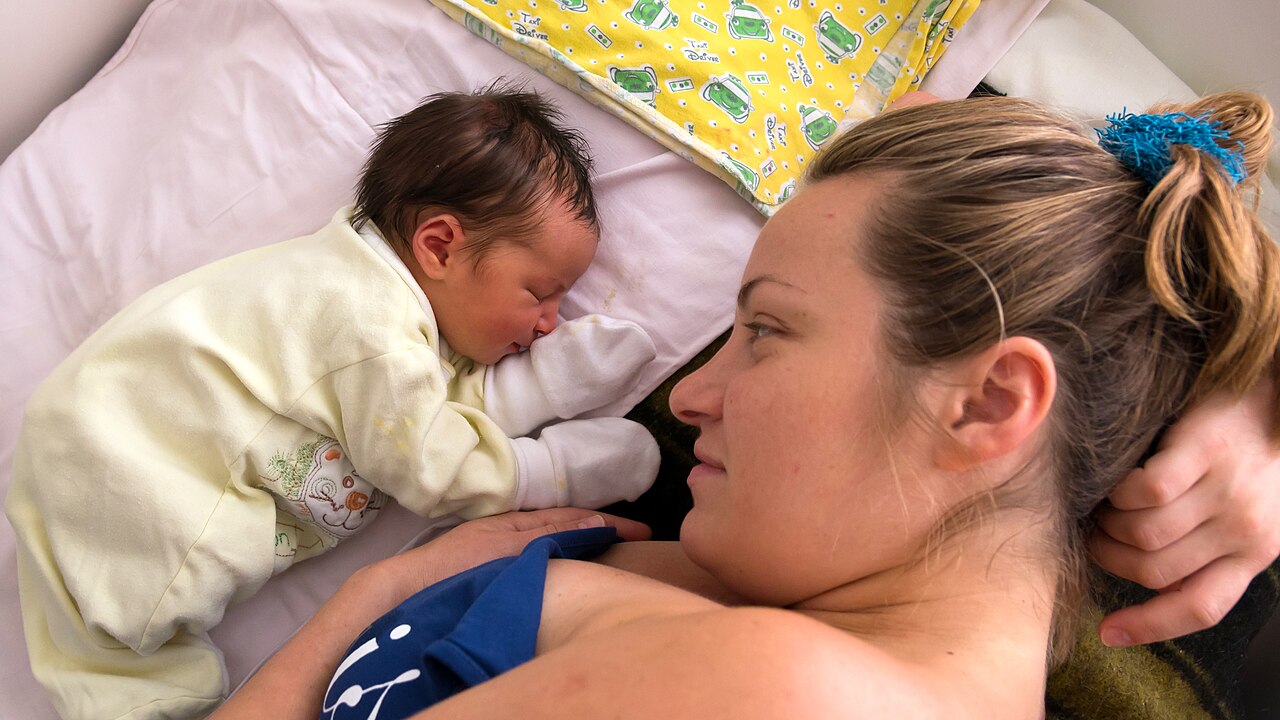
Paid family leave is money paid to you while you take time off to bond with a new child, care for a seriously ill family member, or handle a military family matter. In 2026, twelve states and the District of Columbia pay these benefits: California, Colorado, Connecticut, Delaware, Maine, Massachusetts, Minnesota, New Jersey, New York, Oregon, Rhode Island and Washington.
Key facts at a glance
- Weekly maximums run from $900 in Delaware to $1,765 in California, and bonding leave runs from 8 to 12 weeks depending on the state.
- The table below is a summary of the programs that pay benefits in 2026, using each state's published 2026 figures.
- Most state programs are insurance programs funded by payroll contributions — usually deducted from workers' pay, sometimes shared with employers.
- This is the point that causes the most trouble.
Rates and caps change every year, and some states changed their cap mid-year, so confirm the current figure with your state program before planning around it.
If you live anywhere else, there is no state benefit to claim — but the federal Family and Medical Leave Act (FMLA) still gives eligible workers up to 12 weeks of unpaid, job-protected leave a year, and your employer may offer paid leave of its own.
Two things are easy to confuse, and the distinction matters. First, paid family leave pays you; it does not always protect your job. The benefit and the job protection come from different laws, and qualifying for one does not automatically mean you have the other. California's Employment Development Department says this explicitly about its own program. Second, the weekly maximum is a ceiling, not a typical payment. Your benefit is a percentage of your own wages, capped at the state maximum, so most people receive less than the headline figure.
Quick answer: Weekly maximums run from $900 in Delaware to $1,765 in California, and bonding leave runs from 8 to 12 weeks depending on the state.
Paid family leave by state in 2026
The table below is a summary of the programs that pay benefits in 2026, using each state's published 2026 figures. Rates and caps change every year, and some states changed their cap mid-year, so confirm the current figure with your state program before planning around it. "Bonding" means time off to bond with a new child by birth, adoption or foster placement. Several states also cover care for a seriously ill family member and your own serious health condition, with combined caps that are higher than the bonding figure alone.
| State | Program | Bonding leave | Wage replacement | 2026 weekly maximum |
|---|---|---|---|---|
| California | Paid Family Leave (EDD) | 8 weeks | 70–90% | $1,765 |
| Colorado | FAMLI | 12 weeks | Up to 90% | $1,448.02 |
| Connecticut | CT Paid Leave | 12 weeks (+2 for pregnancy) | Up to 95% | $1,016.40 |
| Delaware | Delaware Paid Leave | 12 weeks parental | 80% | $900 |
| District of Columbia | DC Paid Family Leave | 12 weeks parental | Up to 90% | $1,100 (from Oct 1, 2026) |
| Maine | Maine Paid Family & Medical Leave | 12 weeks combined | Up to 90% | $1,249.12 |
| Massachusetts | MA PFML | 12 weeks family; 26 combined | 50–80% | $1,230.39 |
| Minnesota | Minnesota Paid Leave | 12 weeks family; 20 combined | Up to 90% | $1,423 |
| New Jersey | Family Leave Insurance | 12 weeks | 85% | $1,119 |
| New York | NY Paid Family Leave | 12 weeks | 67% | $1,228.53 |
| Oregon | Paid Leave Oregon | 12 weeks | Up to 100% for low earners | $1,692.16 |
| Rhode Island | Temporary Caregiver Insurance | 8 weeks | About 60%, plus dependent allowances | $1,150 (from Jul 1, 2026) |
| Washington | Paid Family & Medical Leave | 12 weeks family; 16 combined | Up to 90% | $1,647 |
Three figures in that table changed during 2026 and are worth a note. The District of Columbia paid up to $1,190 a week earlier in the year, and $1,100 for claims from October 1, 2026. Rhode Island's maximum was $1,103 before July 1, 2026, and $1,150 from that date. Oregon's $1,692.16 applies to benefit years starting from June 28, 2026. Maine's figure is the one with the widest reporting spread — the state's published maximum is $1,249.12 — and Maine's program only began paying benefits on May 1, 2026, so it is the newest program on the list.
How paid family leave works
Most state programs are insurance programs funded by payroll contributions — usually deducted from workers' pay, sometimes shared with employers. You do not apply to your employer for the money; you apply to the state program, which decides the claim and pays the benefit. The state looks at your earnings in a base period, typically the four quarters before your claim, and calculates a weekly benefit as a percentage of those earnings, up to the cap. Because the calculation uses your own wage history, two workers in the same state can receive very different amounts.
Eligibility usually turns on having earned a minimum amount in the base period and having a qualifying reason for the leave: bonding with a new child, caring for a family member with a serious health condition, or a qualifying military exigency. Your own serious health condition is covered by the medical side of most of these programs, under the same fund, with its own week limits.
The application is normally filed online with the state agency, and most programs let you file before the leave starts. You will need proof of the qualifying event — a birth certificate or adoption papers for bonding, or a medical certification for caregiving — and your wage records, which the agency usually pulls from state employment records.
The benefit is not the same as job protection
This is the point that causes the most trouble. A state benefit replaces some of your wages while you are away. Whether your employer has to hold your job is a separate question, answered by a different law: the federal FMLA, a state family-rights law, or your employer's own policy. FMLA covers employers with 50 or more employees and workers who have been employed for at least 12 months and worked at least 1,250 hours in the previous year, and it gives up to 12 weeks of unpaid, job-protected leave.
Some states extend job protection more widely than FMLA does. California is the clearest example of the split: its Paid Family Leave program pays the benefit, and the California Family Rights Act provides the job protection, and the two have different eligibility rules. Before you take leave, check both questions separately: will I be paid, and will my job be there when I return?
States that start paying in 2028
Two more states have enacted programs that do not pay benefits yet. Maryland's program collects contributions from January 1, 2027 and pays benefits from January 1, 2028, after several delays. Virginia enacted its program in 2026 and pays benefits from December 2028. If you work in one of those states, there is nothing to claim yet, but it is worth knowing the date: a child born after the start date will qualify, and contributions may already be appearing on your pay stub. Maryland's published weekly maximum for when it starts is $1,000.
Voluntary coverage in Vermont, New Hampshire and Virginia
Vermont and New Hampshire take a different approach: instead of a mandatory state program, they offer voluntary paid family and medical leave insurance that employers — and in New Hampshire, individual workers — can buy on the private market, with the state negotiating the product. Virginia also has voluntary private-market coverage alongside its mandatory program that starts in 2028. Voluntary coverage is thinner than a mandatory program: it depends on your employer choosing to offer it, and the terms are set by the insurance policy rather than by statute. If you work in Vermont or New Hampshire, ask your employer whether it offers the state voluntary plan, and what it pays.
What paid family leave does not cover
Paid family leave does not cover every reason to be away from work. It does not pay for a vacation, for time off to look after a healthy child outside the bonding period, or for a family member's routine medical care. The caregiving reason requires a serious health condition, certified by a health care provider. The bonding window is also limited: most states require the leave to be taken within 12 months of the birth, adoption or foster placement.
And the benefit replaces only part of your wages — between 67 percent in New York and up to 90 or 100 percent for the lowest earners in Oregon and Connecticut — so a household budget that assumes full pay will come up short. Plan for the gap before the leave starts, and check whether your employer tops up the state benefit; some do, and some require you to use accrued paid time off first.
How to apply in your state
Start with your state program's website — the agency names are in the table above — and file the claim as early as the program allows, usually up to 30 days before the leave begins. You will need your Social Security number, your employer's details, your wage history if the agency asks for it, and proof of the qualifying event. Keep copies of everything you submit and note the claim number.
If the claim is denied, every program has an appeal process with a deadline, and the denial letter will state it. If your state does not pay benefits, check two other routes before giving up: the federal FMLA for unpaid job protection, and any short-term disability or employer paid-leave policy you already have, which may cover part of the same absence.
Frequently asked questions
Which states have paid family leave in 2026?
Twelve states and the District of Columbia pay benefits in 2026: California, Colorado, Connecticut, Delaware, Maine, Massachusetts, Minnesota, New Jersey, New York, Oregon, Rhode Island and Washington. Maryland pays from January 2028 and Virginia from December 2028.
How much does paid family leave pay?
It depends on your wages and your state. Weekly maximums in 2026 run from $900 in Delaware to $1,765 in California, and the benefit replaces roughly 67 percent of wages in New York up to 90 to 100 percent for low earners in Oregon and Connecticut. The maximum is a ceiling, not a typical payment.
Does paid family leave protect my job?
Not necessarily. The benefit pays you; job protection comes from a separate law, such as the federal FMLA or a state family-rights law, with its own eligibility rules. California's EDD states this explicitly for its program. Check both questions before taking leave.
How long can I take paid family leave?
Bonding leave is 8 weeks in California and Rhode Island and 12 weeks in most other paying states. Several states allow more when family and medical leave are combined: up to 20 weeks in Minnesota, up to 26 weeks in Massachusetts, and up to 16 weeks in Washington.
Can I get paid family leave if I am self-employed?
It depends on the state. Some programs let self-employed workers opt in by paying contributions; others cover only employees. Check your state program's rules for self-employed and gig workers.
What if my state does not offer paid family leave?
You can still use the federal FMLA for up to 12 weeks of unpaid, job-protected leave if you are eligible, and you may have coverage through an employer policy or short-term disability insurance. Vermont and New Hampshire offer voluntary private-market plans that employers can buy.
Need help?
If this guide does not answer your question, the directory lists every program and tool on this site.
Primary source: U.S. Department of Labor, Women's Bureau
Sources
- U.S. Department of Labor, Women's Bureau — state paid family and medical leave programs; thirteen states and the District of Columbia counted as having programs.
- California Employment Development Department — Paid Family Leave: 8 weeks, 70–90% of wages, $1,765 weekly maximum in 2026; benefit is separate from job protection.
- U.S. Department of Labor — Family and Medical Leave Act: up to 12 weeks of unpaid, job-protected leave for eligible workers.
- Massachusetts Department of Family and Medical Leave — PFML: 12 weeks family, 20 weeks medical, 26 combined; $1,230.39 weekly maximum in 2026.
- Washington Paid Family and Medical Leave — 12 weeks family leave, combined family and medical leave, $1,647 weekly maximum in 2026.
- CT Paid Leave Authority — 12 weeks plus 2 for pregnancy incapacity; $1,016.40 weekly maximum in 2026.