Pet Assistance for Domestic Violence Survivors: Safe Escape Grants and Boarding Help
For a person living with domestic violence, a pet can be the reason they stay. Leaving means leaving the pet behind, and the fear that the abuser will harm the pet — or that the pet will have nowhere to go — keeps many survivors in a dangerous home far longer than they would otherwise stay. RedRover's Safe Escape grants exist for this situation: they cover temporary boarding for a pet, so the survivor can leave and the pet is safe. The direct answer: contact a domestic violence hotline or RedRover, because the grant and the boarding are arranged together with the safety plan, not as a separate application. Here is how it works and how to get help safely.
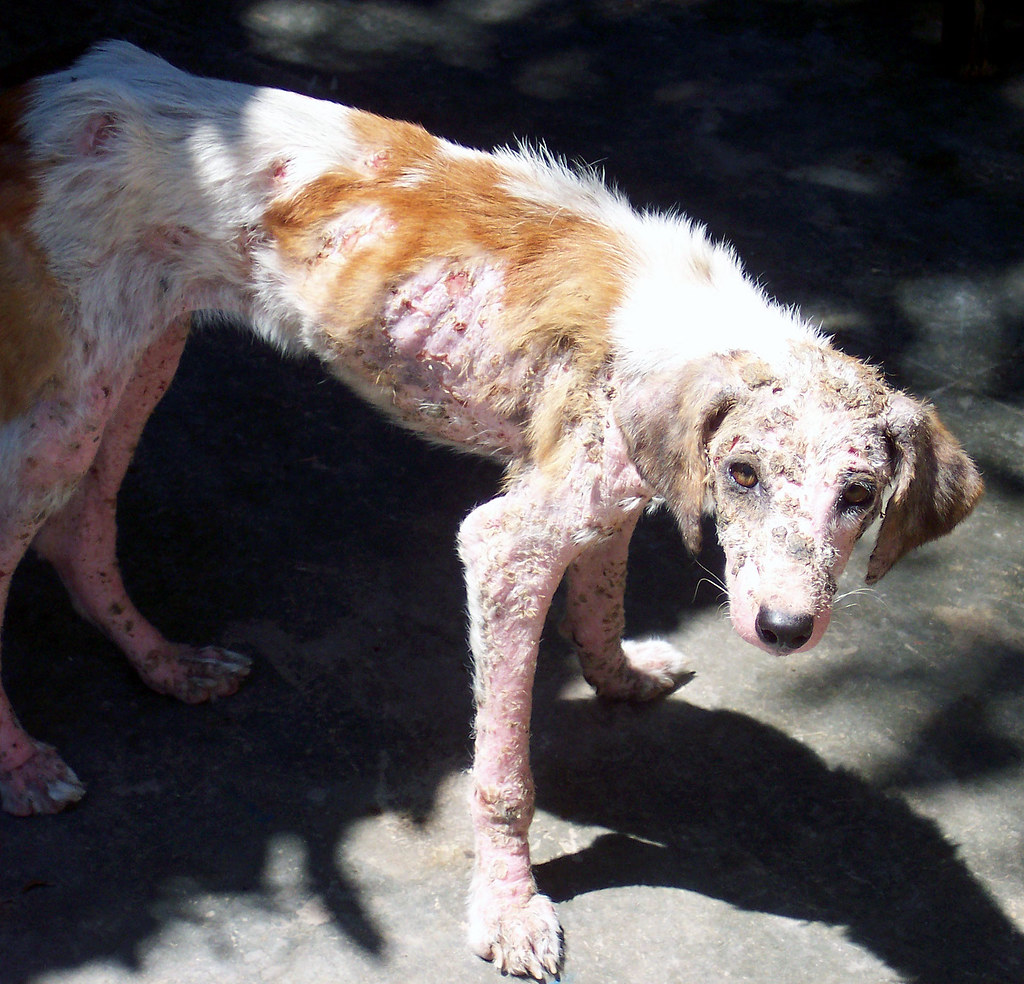
Why pets keep survivors from leaving
Abusers often threaten or harm pets as a way of controlling the survivor, and the survivor knows leaving the pet behind puts the pet at risk. Shelters for survivors often cannot take pets — space, allergies, safety rules — so the survivor faces a choice between their own safety and the pet's. Many choose the pet, and stay. Survivors delay leaving because they cannot leave a pet behind. That is not a failure of courage — it is a rational response to a real risk, and it is why pet assistance for domestic violence survivors is part of domestic violence support, not an extra.
The answer is to arrange the pet's safety as part of the leaving plan, not after it. Safe Escape grants cover temporary boarding, and domestic violence advocates know how to arrange it. A survivor who contacts a hotline should mention the pet early, so the advocate can include the pet in the safety plan from the start.
What a Safe Escape grant covers
RedRover Safe Escape grants cover temporary pet boarding for domestic violence survivors. The grant pays for the pet to be boarded — at a kennel, a vet clinic, or a foster home — while the survivor leaves and finds safe housing. The boarding is temporary: it covers the period while the survivor is in a shelter or in transition, and the survivor and the advocate agree a plan for the pet's longer-term care. The exact amount, the length of boarding covered, and the conditions are set by RedRover and must be confirmed at redrover.org, because this article does not state figures that were not verified.
The grant is usually arranged through a domestic violence advocate or a shelter, rather than by the survivor applying directly. That is because the advocate knows the safety considerations — for example, that the boarding location should not be known to the abuser — and can arrange the boarding without putting the survivor or the pet at risk. The survivor's role is to tell the advocate about the pet; the advocate's role is to arrange the rest.
How to get help safely
If you are in immediate danger, call 911. If you need help to leave, contact the National Domestic Violence Hotline at 1-800-799-7233, or text START to 88788, or use the chat on the hotline's website. Tell the advocate you have a pet and that the pet is part of the reason you have not left. The advocate can help you make a safety plan that includes the pet, and can connect you with Safe Escape boarding and with a shelter that can help.
Do not tell the abuser you are planning to leave, and do not leave the pet's boarding details where the abuser can find them. If you can, keep copies of the pet's vet records and a photo of the pet somewhere safe, and keep a bag packed with the pet's food, medication, and a lead or carrier. The advocate can advise on what to bring and what to leave, and on the safest time to leave.
Shelter and boarding routes
Some domestic violence shelters now accept pets, or have a partnership with a local animal shelter that boards the pet while the survivor is in the shelter. Others work with a network of foster homes that take the pet temporarily. The advocate will know which option is available in the area and which is safest. If the survivor has family or friends who can take the pet, that is also an option — but tell the advocate, so the abuser cannot use that person to find the survivor.
After the immediate crisis, the survivor and the advocate agree a longer-term plan for the pet: the pet returns to the survivor when safe housing is found, or the pet is rehomed if the survivor cannot keep it. That decision is the survivor's, and it should not be rushed. The boarding grant buys time for the decision, and the advocate can help the survivor think it through.
Pet boarding abuse survivor help is usually arranged through an advocate rather than by calling a kennel directly: the advocate finds a safe boarding place, arranges transport, and keeps the pet's location confidential. Domestic violence pet help exists because pets are so often the reason a survivor delays leaving, and the boarding grant buys the time to find safe housing without surrendering the animal — ask the Hotline advocate about it at the first call, not after the crisis has passed.
Common mistakes
The most common mistake is not mentioning the pet to the advocate, so the safety plan does not include the pet and the survivor feels unable to leave. A second is trying to arrange boarding alone, without the advocate, and putting the boarding location at risk. A third is leaving the pet behind with the abuser, hoping the pet will be safe — the research on this is clear that the pet is at risk. A fourth is not keeping the pet's records and medication somewhere safe before leaving.
Other help for survivors with pets
Beyond Safe Escape, some animal shelters run a temporary foster program for pets of survivors, and some vet clinics will board a pet at a reduced rate in these circumstances. The domestic violence hotline and the local shelter are the best contacts for all of these, because they know the local options and the safety considerations. A survivor who needs help with housing, legal aid, or financial support can also ask the advocate, who can refer to the relevant services.
Frequently asked questions
What is a Safe Escape grant?
A RedRover grant that covers temporary boarding for a pet while a domestic violence survivor leaves and finds safe housing. It is usually arranged through a domestic violence advocate or shelter.
How do I get help for my pet if I am leaving an abusive home?
Contact the National Domestic Violence Hotline at 1-800-799-7233, or text START to 88788, and tell the advocate you have a pet. The advocate can include the pet in your safety plan.
Can I take my pet to a domestic violence shelter?
Some shelters accept pets, and others have a partnership with an animal shelter or foster network that boards the pet. Ask the advocate what is available in your area.
How long does Safe Escape boarding last?
It covers temporary boarding while the survivor is in transition. The exact length and amount are set by RedRover — confirm them at redrover.org or through your advocate.
Sources
- RedRover Safe Escape grants cover temporary pet boarding for domestic violence survivors; verify at redrover.org.
- National Domestic Violence Hotline — 1-800-799-7233; text START to 88788 (as cited in public safety guidance).