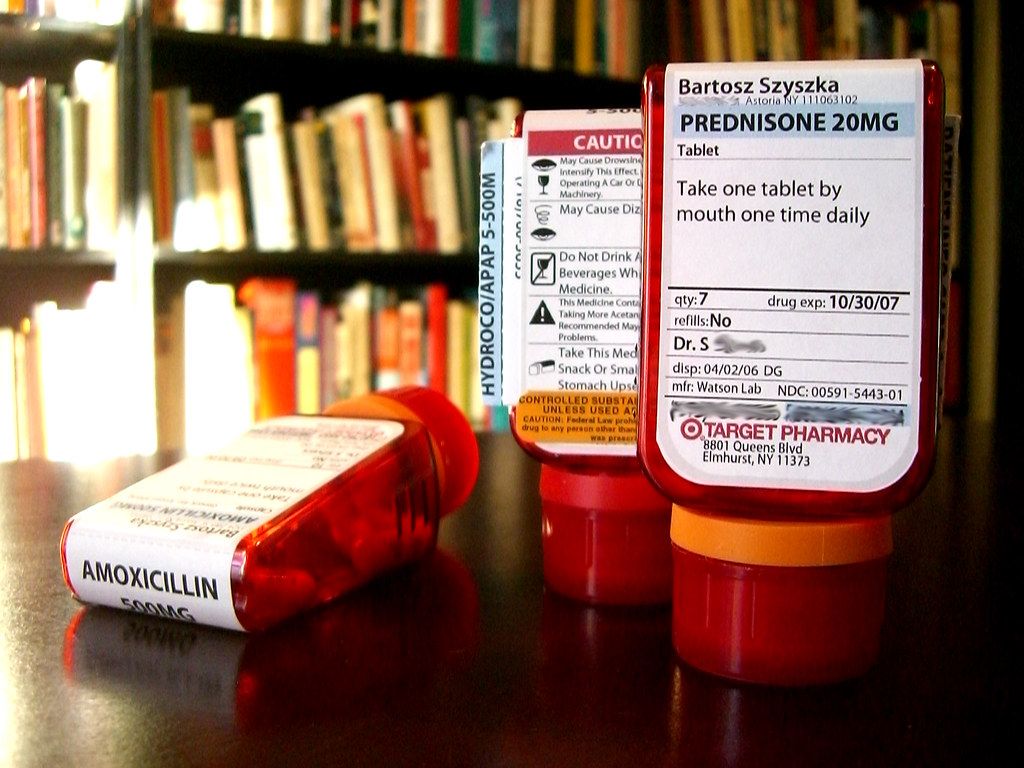
The same prescription can cost very different amounts at pharmacies a few miles apart, and the price you are quoted can change depending on whether you use insurance, a discount card, or pay cash. That variation is not a mistake: pharmacies set their own retail prices, negotiate different rates with insurers and pharmacy benefit managers, and run different discount programs. A few minutes of comparison before you fill a prescription can save a substantial amount over a year, especially for a medicine you take every month.
A prescription has no single price, and the cheapest pharmacy for one drug is often the most expensive for another — which is why a prescription price comparison across pharmacies is the single most effective saving. The cash price with a discount card can be lower than the insurance copay, because the copay is set by the plan's negotiated rate for that medicine. Generics are usually far cheaper than brand-name versions, and most prescriptions in the United States are filled with generics. Cost is a legitimate part of the conversation with your prescriber, and the pharmacist can check the price with and without insurance before the prescription is filled.
How do I find the lowest price? Compare the price at several pharmacies, with and without your insurance, and check whether a discount card or a patient assistance program beats both. Here is how to make that comparison, what the discount cards actually do, and which government help exists for people with limited income.
Key facts at a glance
- The same prescription can cost very different amounts at pharmacies a few miles apart, and the price can change depending on whether you use insurance, a discount card, or pay cash.
- A prescription has no single price: the retail price, the insurer's negotiated price, the discount card price, and the manufacturer's list price are four different numbers.
- Generics are usually far cheaper than brand-name versions, and most prescriptions in the United States are filled with generics.
- Prescription discount cards are free — never pay a fee for one. They are not insurance, and they do not count toward your insurance deductible or Medicare out-of-pocket costs.
- If you have Medicare and limited income and resources, the Extra Help program helps pay Part D premiums, deductibles and copays.
- Ask whether a 90-day supply costs less per month than a 30-day supply.
The pharmacy's retail price, the price your insurer has negotiated, the price a discount card offers, and the manufacturer's list price are four different numbers — and the one you pay depends on which route you use.
Why prices differ so much
A prescription has no single price. The pharmacy's retail price, the price your insurer has negotiated, the price a discount card offers, and the manufacturer's list price are four different numbers — and the one you pay depends on which route you use. Your insurance copay may be higher than the cash price at a discount pharmacy, and a discount card may be cheaper than your insurance for a generic but more expensive for a brand-name drug. There is no way to know without checking the specific medicine at the specific pharmacy.
Generics are usually far cheaper than brand-name versions, and most prescriptions in the United States are filled with generics. If your prescriber writes a brand-name drug, ask whether a generic equivalent exists and whether it is appropriate for you. For some medicines there is no generic, and the price difference is real — but even then, comparing pharmacies and checking assistance programs can reduce what you pay.
How to compare prices before you fill
Start with the price-checking tools that pharmacies and other services publish online. Enter the medicine name, the dose, the quantity and your ZIP code, and compare the cash price at the pharmacies near you. Then check your insurance: your plan's website or app usually shows your copay for that medicine at each pharmacy in its network, and Medicare's Plan Finder does the same for Part D plans. Compare the two numbers — insurance copay and cash or discount price — and use whichever is lower.
Call the pharmacy before you go. Prices change, stock varies, and a price shown online may not match the price at the counter. Ask for the cash price, the price with your insurance, and the price with a discount card — and ask whether a 90-day supply costs less per month than a 30-day supply. Mail-order pharmacies, often run by your insurer, sometimes offer lower prices for maintenance medicines, and some pharmacies run their own low-cost generic programs for common medicines.
Discount cards: what they do and what they do not do
Prescription discount cards are free cards or coupons, offered by commercial companies, that give you a negotiated price at participating pharmacies. They are not insurance, and they do not count toward your insurance deductible or your Medicare out-of-pocket costs. For a generic medicine, a discount card often beats the insurance copay; for a brand-name medicine, it may not. You cannot usually combine a discount card with insurance on the same fill — you choose one or the other.
Use discount cards with care. Never pay a fee for one — legitimate discount cards are free. Be cautious about giving personal or medical information to an unfamiliar website, and check that the pharmacy you plan to use accepts the card before you rely on its price. If you have Medicare Part D, note that using a discount card instead of your Part D coverage means that purchase does not count toward your plan's deductible or coverage phases, which can matter over the course of a year.
Extra Help and other assistance for people with limited income
If you have Medicare and limited income and resources, the Extra Help program — also called the Low-Income Subsidy — helps pay Part D premiums, deductibles and copays. You apply through the Social Security Administration, and the program also helps some people with the cost of their medicines directly. Many states run their own pharmaceutical assistance programs for residents who do not qualify for Extra Help, and the eligibility rules and benefits differ by state.
Manufacturers also run patient assistance programs that provide brand-name medicines free or at low cost to people who meet income requirements and have no adequate coverage. Your prescriber or pharmacist can often point you to the right program, and the application usually requires proof of income and a prescription. Community health centers and hospital social workers can help with applications, and the Health Resources and Services Administration's health center finder can locate a center near you.
Talking to your prescriber about cost
Cost is a legitimate part of the conversation with your prescriber. If a medicine is too expensive, say so — prescribers can often switch to a lower-cost alternative in the same class, change the dose or the quantity, or prescribe a 90-day supply. Never stop taking a prescribed medicine, split pills, or skip doses to save money without discussing it first: for some medicines, changing the dose on your own is unsafe. If cost is the reason you are considering stopping, tell your prescriber and your pharmacist — both can suggest options you may not have found on your own.
A prescription price comparison across pharmacies is the single most effective saving: the cheapest pharmacy prescription for one drug is often the most expensive for another, and the cash price with a discount card can beat the insurance copay. For people with limited income, Medicare Extra Help prescriptions support is worth checking — Extra Help pays part of the Part D premium and lowers copays, and it is separate from the discount card, so a household can use both.
Common mistakes that cost money
The most expensive mistake is filling a prescription at the first pharmacy without comparing prices. The second is assuming your insurance copay is always the cheapest option — for generics, it often is not. The third is using a discount card for a medicine covered by Medicare Part D without realizing the purchase does not count toward your out-of-pocket costs. The fourth is not asking about a 90-day supply or a mail-order option for a medicine you will take long-term. And the fifth is paying for a brand-name drug when an equivalent generic is available and appropriate.
Frequently asked questions
Is a prescription discount card the same as insurance?
No. A discount card gives you a negotiated cash price at participating pharmacies. It is not insurance, it does not cover anything beyond the discount, and purchases made with it usually do not count toward an insurance deductible.
Why is my copay higher than the cash price?
Your copay is set by your plan's negotiated rate for that medicine, which can be higher than the cash or discount price at a particular pharmacy. You can choose to pay cash instead, but check first whether that purchase counts toward your deductible.
What is Extra Help for prescriptions?
Extra Help, also called the Low-Income Subsidy, is a Medicare program that helps people with limited income and resources pay Part D premiums, deductibles and copays. You apply through the Social Security Administration.
Can my pharmacist help me find a lower price?
Yes. Pharmacists can check the price at their pharmacy with and without insurance, suggest a generic equivalent where one exists, and tell you about discount cards and assistance programs. Ask before the prescription is filled.
Should I compare prices at more than one pharmacy?
Yes — it is the single most effective saving. The cheapest pharmacy for one drug is often the most expensive for another, and the cash price with a discount card can be lower than the insurance copay. Call the pharmacy before you go, and compare before you fill.
Can I ask my prescriber for a cheaper option?
Yes. Cost is a legitimate part of the conversation with your prescriber — ask whether a generic equivalent exists or whether another medicine would work. Your pharmacist can also check the price with and without insurance and suggest a generic where one exists.
Need help?
If this guide does not answer your question, the directory lists every program and tool on this site.
Primary source: Medicare.gov
Sources
- Medicare.gov — Medicare Plan Finder and Extra Help information, medicare.gov.
- Social Security Administration — Extra Help (Low-Income Subsidy) application, ssa.gov.
- Health Resources and Services Administration — Find a Health Center, findahealthcenter.hrsa.gov.