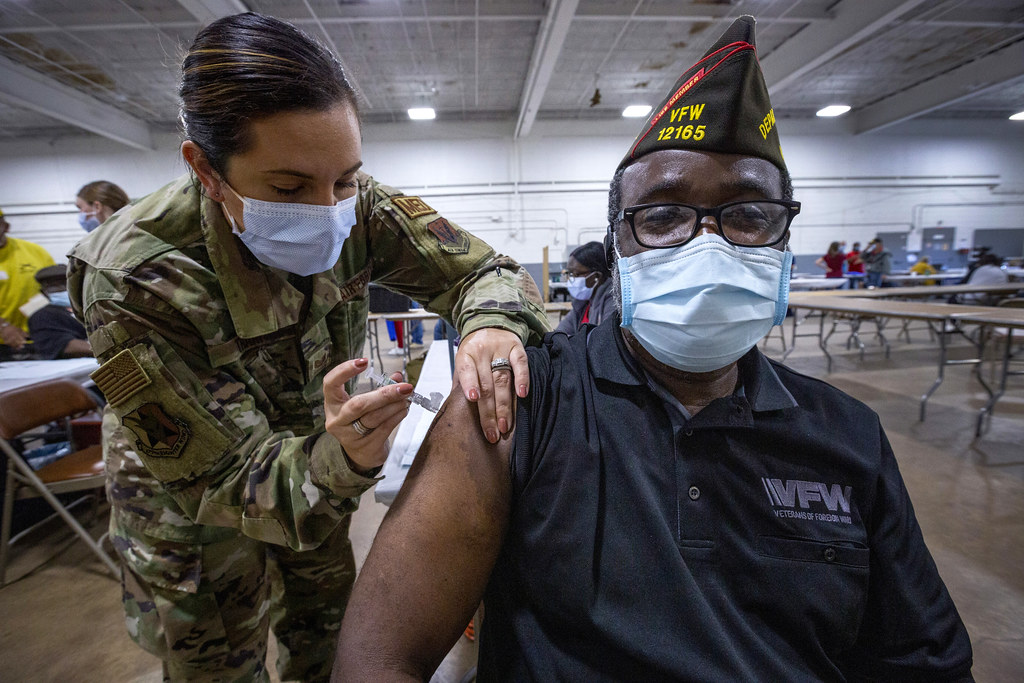
Veterans and military families face mental health challenges that civilian care doesn't always understand: combat stress, military sexual trauma, the strain of deployment on a family, and the difficulty of adjusting to civilian life. The Department of Veterans Affairs runs the largest mental health system in the country, and it's designed for those experiences — but many veterans don't use it. Some don't know they qualify; some had a bad experience; some don't want to be seen as needing help.
Vet Center counseling is free for eligible veterans and family members, and Vet Centers offer readjustment counseling in a community setting. If you are in crisis, the veteran crisis line is available day and night — call or text 988 and press 1.
If you're a veteran in crisis, or you're worried about one, call the Veterans Crisis Line: dial 988 and press 1, or text 838255, at any time. You don't need to be enrolled in VA care to use it.
Key facts at a glance
- The Department of Veterans Affairs runs the largest mental health system in the country, designed for combat stress, military sexual trauma, the strain of deployment on a family, and the difficulty of adjusting to civilian life.
- Veterans enrolled in VA health care can receive mental health services at VA medical centers and clinics, including therapy, medication management, substance use treatment, and specialized programs for post-traumatic stress disorder and other conditions.
- Some mental health care is available even without enrollment: the VA provides free emergency mental health care to veterans in suicidal crisis, regardless of enrollment.
- If the need is urgent, do not wait for an appointment. Call the Veterans Crisis Line — dial 988, press 1 — or text 838255, or use the chat service on the Veterans Crisis Line website.
- For non-urgent care, start by calling your local VA medical center or Vet Center and asking for a mental health intake appointment. If the wait is long, ask about same-day access.
Eligibility for VA health care depends on service history, discharge status, and other factors, and veterans can apply online, by phone, by mail, or in person.
VA mental health care: who qualifies
Veterans enrolled in VA health care can receive mental health services at VA medical centers and clinics, including therapy, medication management, substance use treatment, and specialized programs for post-traumatic stress disorder and other conditions. Eligibility for VA health care depends on service history, discharge status, and other factors, and veterans can apply online, by phone, by mail, or in person. Some veterans qualify for cost-free care for service-connected conditions; others pay copays based on their priority group. For veterans whose post-traumatic stress keeps them out of work, the treatment question sits alongside a benefits question — whether PTSD is a disability for SSDI, SSI or VA purposes.
Some mental health care is available even without enrollment — and that's worth knowing. The VA provides free emergency mental health care to veterans in suicidal crisis, regardless of enrollment status or discharge character, and it offers readjustment counseling through Vet Centers to veterans and their families without requiring enrollment in VA health care. If you're unsure whether you qualify, apply — the VA will determine your eligibility, and the application itself is free.
Vet Centers: a different kind of care
Vet Centers are community-based counseling centers run by the VA, separate from the medical centers. They offer readjustment counseling for veterans and their families, including individual and group counseling, bereavement counseling, and help with military sexual trauma. The centers are staffed largely by veterans, the atmosphere is informal, and no appointment or enrollment is needed to walk in. For many veterans, a Vet Center is an easier first step than a large medical center, and the counselors there can refer you to VA medical care if you need it.
Vet Centers also run a call center that's available around the clock, and they operate mobile units that visit rural areas and community events. If there's no Vet Center near you, ask the nearest one about its mobile schedule or about telehealth counseling, which the centers offer.
Community care and other options
When the VA can't provide the care you need in a reasonable time, or when you live far from a VA facility, you may be referred to a community provider through the VA's community care program. Your VA provider makes the referral, and the VA pays the community provider. The rules for community care depend on wait times, distance, and the availability of the service at the VA — ask your VA provider whether a referral is possible rather than assuming it isn't.
Military families have their own routes. Active-duty families can use military treatment facilities and the TRICARE network, and the Department of Defense runs counseling services for service members and families, including confidential non-medical counseling through Military OneSource. Spouses and children of veterans can receive care at Vet Centers, and some can receive VA care in their own right. Caregivers of veterans can also get support through the VA's caregiver programs, which include counseling and respite care.
Getting help quickly
If the need is urgent, don't wait for an appointment. Call the Veterans Crisis Line — dial 988, press 1 — or text 838255, or use the chat service on the Veterans Crisis Line website. The responders are trained to work with veterans and understand military experience. You can also go to any VA medical center's emergency department, or to any hospital emergency department, for emergency mental health care. The VA's policy is to provide emergency mental health care to veterans in crisis regardless of enrollment, and the cost rules for that emergency care are set by the VA.
For non-urgent care, start by calling your local VA medical center or Vet Center and asking for a mental health intake appointment. Bring your discharge papers if you have them, a list of your medicines, and a note of what you're experiencing. If the wait is long, ask about same-day access — many VA facilities offer same-day mental health appointments for veterans who need them — and ask about telehealth, which can shorten the wait.
Common barriers and how to get past them
The most common barrier is the belief that asking for help is a sign of weakness. It isn't — and the veterans who use VA mental health care most often say they wish they'd started sooner. The second barrier is a previous bad experience with the VA, which is real for some veterans; a Vet Center, a different facility, or a community care referral can be a fresh start.
The third is not knowing whether you qualify — apply and let the VA decide. The fourth is distance, which telehealth and mobile Vet Centers can reduce. And the fifth is cost, which is often lower than veterans expect, because much VA mental health care is free or low-cost for eligible veterans.
Frequently asked questions
Do I need to be enrolled in VA health care to get mental health help?
Not always. Vet Centers offer counseling without enrollment, and the VA provides free emergency mental health care to veterans in crisis regardless of enrollment status. For ongoing VA medical center care, enrollment is usually required.
What is the Veterans Crisis Line?
It is a free, confidential crisis service for veterans and those who care about them: dial 988 and press 1, text 838255, or use the chat on the Veterans Crisis Line website. It is available around the clock.
Can my family get help too?
Yes. Vet Centers offer counseling to veterans' families, active-duty families can use Military OneSource and TRICARE, and the VA's caregiver programs support those caring for veterans.
What if the VA cannot see me soon enough?
Ask your VA provider about a community care referral, about same-day mental health appointments, and about telehealth. The VA can refer you to a community provider when it cannot provide the care in a reasonable time.
Need help?
If this guide does not answer your question, the directory lists every program and tool on this site.
Primary source: U.S. Department of Veterans Affairs
Sources
- U.S. Department of Veterans Affairs — mental health services, va.gov.
- Veterans Crisis Line — dial 988, press 1; text 838255.
- Vet Centers — vetcenter.va.gov.