Vocational School Free Car Repair Labor: How Student Mechanics Can Fix Your Car
A car repair bill is mostly labor: the mechanic's time costs far more than the parts. Vocational schools and community colleges that teach auto repair turn that fact into help for car owners — students learning the trade do the repair labor free, and the owner pays only for the parts. If you can't afford a garage bill, the direct answer is to contact the auto program at the nearest community college or vocational school and ask whether it takes cars from the public, because many do — and the waiting list is the main obstacle, not the price. This guide explains how vocational school free car repair works and how to use one. Community college auto repair free labor programs let students practice on real cars while owners pay only for parts — a way to get a repair done cheaply and help students learn.
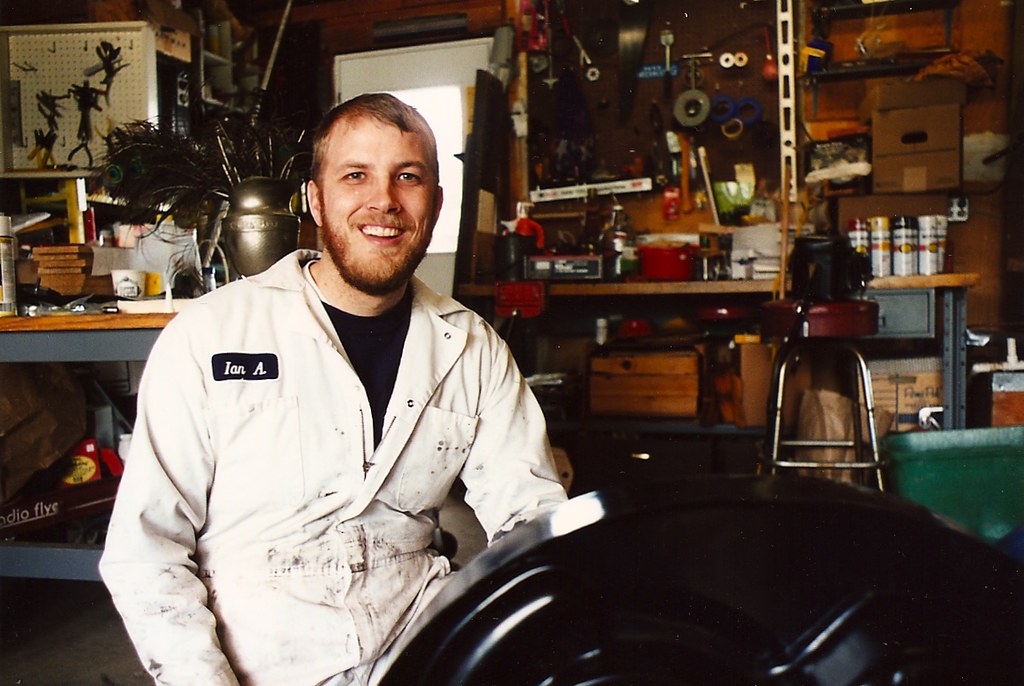
The work is done by students in an automotive technology program under an instructor's supervision, so the range of jobs is limited to what the class is learning and the wait can be longer than at a commercial garage. Ask the school which repairs it takes on, what parts will cost, and how to book a slot.
How a vocational auto program works
A vocational auto program is a course that teaches students to repair cars. The students need real cars to practice on, and the school needs a supply of cars with real problems. So a member of the public brings a car to the school's workshop, the students carry out the repair under an instructor's supervision, and the owner pays for the parts only. The labor — the largest part of a garage bill — is free, because it is the students' learning. Community college and vocational auto programs do repair labor free if the owner pays for parts.
The work is supervised by a qualified instructor, and the school will usually inspect the car first and agree what work it can do. Not every repair suits a student workshop: a job that needs specialist equipment, a job that must be finished the same day, or safety-critical work the students aren't yet trained for may be turned down. The school will say so at the inspection, and will usually explain what it can and can't do.
How to find a program near you
Search for the auto technology or automotive program at the nearest community college or vocational school, and call the program office or the instructor. Ask whether the program takes cars from the public, what repairs it can do, how long the waiting list is, and what the owner needs to bring. Some programs have a web page for public repairs with a form to fill in; others take bookings by phone only. The local community action agency and 211 may also know of a program, because they refer car owners to it.
When you call, describe the car, the problem, and how urgently the repair is needed. The program needs those facts to decide whether the repair suits students and how long it will take. A clear description gets a faster answer than a general request for a free repair.
What to expect
Expect the repair to take longer than a garage would take. Students are learning, they work more slowly than a qualified mechanic, and the instructor checks the work at each stage. A repair a garage would finish in a day may take a week at a school, and the car may need to be left at the workshop for several days. Plan for that: arrange alternative transport for the period, or ask the school how long the car will be needed before agreeing to the work.
Expect to pay for parts, and expect the school to buy the parts or to ask the owner to supply them. The school will give an estimate for the parts before starting, and the owner should agree the estimate in writing. Expect the school to ask the owner to sign a waiver, acknowledging that the work is done by students under supervision. That's a normal part of the arrangement — read it before signing.
What a school workshop will and will not do
A school workshop will usually do routine repairs: brakes, suspension, servicing, exhausts, batteries, starters, and diagnostics. It may also do larger jobs, such as a clutch or a timing belt, if the instructor judges it suitable for the students' level. It won't usually do bodywork, and it may not do work that needs a specialist tool the school doesn't have. Safety-critical work — brakes and steering — is done only with close instructor supervision, and the instructor will inspect the finished work before the car is returned.
If the school can't do the repair, ask the instructor whether another school in the area can, or whether a charity repair fund can help with the garage bill. The instructor will often know the local options, because the school is part of the local trade network.
Common mistakes
The most common mistake is expecting the repair to be finished as fast as a garage would finish it, then being without the car longer than planned. A second is not asking about the waiting list, and finding the next available slot is weeks away. A third is not agreeing the parts cost in writing before the work starts. A fourth is bringing a car with a problem the school can't handle, and losing time that could have been spent on another route. A fifth is not arranging alternative transport for the period the car is in the workshop.
Other low-cost repair routes
If the school can't help, or if the waiting list is too long, the other routes are a charity repair fund, a community action agency transport fund, a payment plan with a garage, and SNAP or TANF supportive services for a repair needed for work. The community action agency and 211 can explain which of these exists in the area, and the school instructor may also know of a local fund.
Frequently asked questions
Do vocational schools repair cars for free?
The labor is usually free — students do the work under an instructor's supervision — and the owner pays only for the parts. Ask the program at your nearest community college or vocational school.
How long does a repair take at a vocational school?
Longer than at a garage, because students are learning and the instructor checks the work. A repair may take several days, and the car may need to be left at the workshop.
What repairs can a school workshop do?
Usually routine repairs such as brakes, suspension, servicing, exhausts, batteries, and diagnostics. Ask the program what it can and cannot do before booking.
How do I find a vocational auto program?
Search for the auto technology program at your nearest community college or vocational school, and call the program office. Your community action agency or 211 may also know of one.
Sources
- 211 — dial 2-1-1 or search 211.org for local vocational programs and free car repair labor.