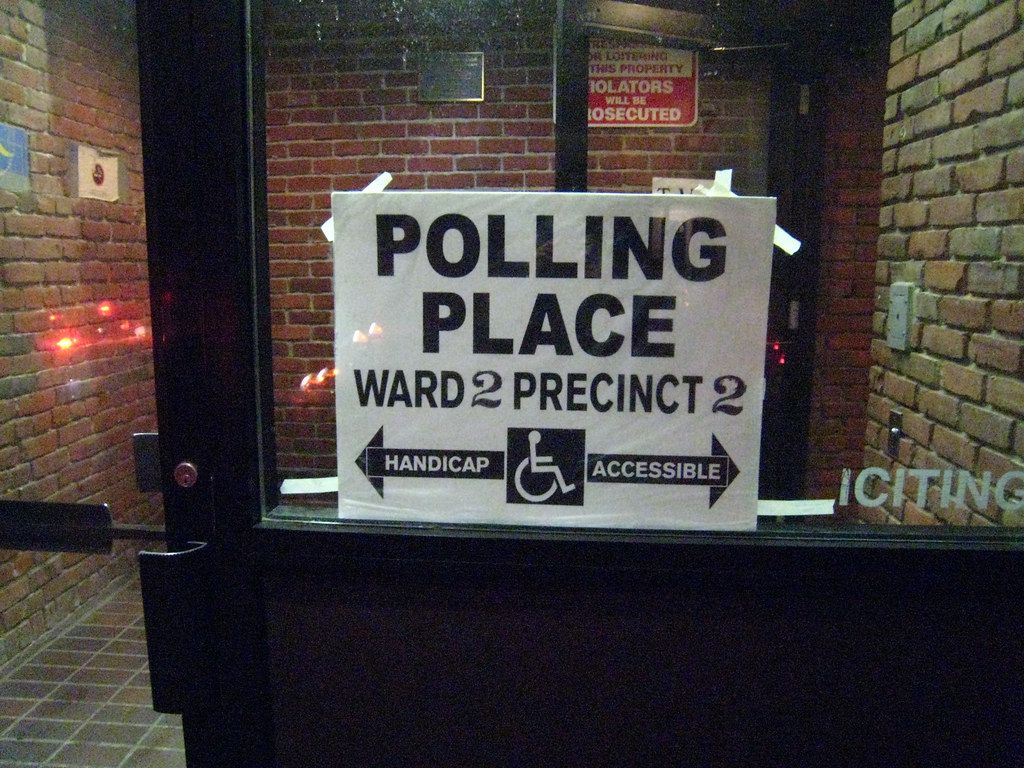
In the United States, a felony conviction can affect the right to vote, and the effect depends on the state. In some states, the right is restored automatically on release. In others, it's restored only after the full sentence is completed, including probation or parole. In a few, restoration requires an application, a pardon, or a court order. A person who assumes the rule is the same everywhere can be wrong in either direction — voting when they can't, or not voting when they can.
Key facts at a glance
- The most common requirement is completing the sentence.
- The state election office or secretary of state's voter site usually provides a tool to check registration status, and it can show whether a person is registered and eligible to vote.
- In states where restoration requires an application, the process usually involves applying to the state election office, the governor's office, or a clemency board, depending on the state.
- The most common mistake is assuming the rule is the same in every state, when it differs widely.
In some, people with a felony conviction never lose the right to vote, or lose it only while incarcerated.
To restore voting rights after felony, the route depends on your state — and the question can felons vote by state has a different answer in almost every state. A felony is the most serious category of crime — more serious than a misdemeanor — and it is the category that carries the longest-lasting consequences for voting, housing and employment.
Voting rights after prison may return automatically in some states and need an application in others, and felon voting rights restoration can also depend on the type of offense and whether fines or supervision are complete. Check your state election office or a legal aid organization for the rule that applies to you.
The short answer is that the rule must be checked for the state where the person lives, and for the specific conviction and sentence. This guide explains voting rights restoration after conviction by state: how restoration works and how to check it.
How voting rights after conviction differ by state
States fall into broad groups. In some, people with a felony conviction never lose the right to vote, or lose it only while incarcerated. In others, the right is restored on release from prison. In others, it's restored only when the full sentence is completed, including probation, parole, and the payment of fines or fees. In a few, restoration requires an application or a pardon, and the process can be long.
No state-by-state list is published here, because the rules differ from state to state and change over time. A list from a third-party site should be treated as a lead to check, not as a confirmed rule, because the rules change and the details matter — for example, whether fines and fees must be paid before restoration.
What usually has to be completed first
The most common requirement is completing the sentence. What counts as completing the sentence differs: in some states it means release from prison; in others it means completing probation or parole as well; in others it means paying fines, fees, and restitution too. The requirement for a particular state and a particular sentence depends on the state and the sentence — check with the state election office or the state law, because a general description won't answer it.
A person who is unsure whether their sentence is complete should ask the sentencing court, the probation or parole office, or the state election office. The answer should be obtained in writing where possible, because voting when not eligible can have serious consequences, and not voting when eligible means losing a right unnecessarily.
How to check your voting status
The state election office or secretary of state's voter site usually provides a tool to check registration status, and it can show whether a person is registered and eligible to vote. Vote.gov links to each state's registration site. If the status check is unclear, or if the person believes they're eligible but the check says otherwise, the state election office can explain why and what is needed to fix it.
Checking should be done well before an election, not on election day, because fixing a registration problem takes time. If restoration requires an application, the application should be made as soon as the person becomes eligible, rather than waiting for the next election to approach.
How to apply for restoration where an application is needed
In states where restoration requires an application, the process usually involves applying to the state election office, the governor's office, or a clemency board, depending on the state. The application may ask for the conviction details, proof that the sentence is complete, and a statement about the person's circumstances. The process can take months, so applying early matters.
Legal aid organizations and voting rights organizations can help with the application, and many offer free help for restoration cases. They can explain the process for the state, help gather the documents, and follow up if the application is delayed. A person should not pay a fee to a service that promises to restore voting rights, because the official process doesn't work that way.
Common mistakes with voting rights restoration
The most common mistake is assuming the rule is the same in every state, when it differs widely. A second is assuming the right is restored on release, when the state requires the full sentence to be completed. A third is the opposite: assuming the right is lost permanently, when the state restores it automatically. A fourth is not checking registration status before an election, and discovering a problem too late to fix it. A fifth is voting without checking eligibility, which can have serious consequences.
Frequently asked questions
Can I vote after a felony conviction?
It depends on the state, the conviction, and whether the sentence is complete. In some states the right is restored on release; in others it requires completing probation, parole, and fines; in a few it requires an application or pardon. Check with the state election office.
Is my voting right restored automatically when I am released?
In some states, yes. In others, restoration happens only after the full sentence is completed, or after an application. The rule for your state must be checked, not assumed.
Do I have to pay fines and fees before I can vote again?
In some states, yes. Whether fines, fees, and restitution must be paid before restoration depends on the state — check with the state election office or state law.
How do I check if I am registered to vote?
Use the registration status tool on the state election office site or through Vote.gov. Check well before an election, so there is time to fix a problem.
Need help?
If this guide does not answer your question, the directory lists every program and tool on this site.
Primary source: Vote.gov
Sources
- Vote.gov — vote.gov: federal voter registration portal linking to each state's registration site and process.
- State election office or secretary of state — the local source for voting rights restoration rules and registration status.