What Is a Real Estate Short Sale? Meaning, Process, and Timeline
A real estate short sale means selling your home for less than the outstanding mortgage balance, with your lender's approval. If you owe $280,000 and the home will sell for $240,000, the lender agrees to accept the $240,000 as full or partial payment and release the lien. Short sales happen when a homeowner can no longer afford the mortgage and the home is worth less than the loan — a situation called being underwater. This guide explains how a short sale works, how long it takes, what it costs, and how it compares with foreclosure.
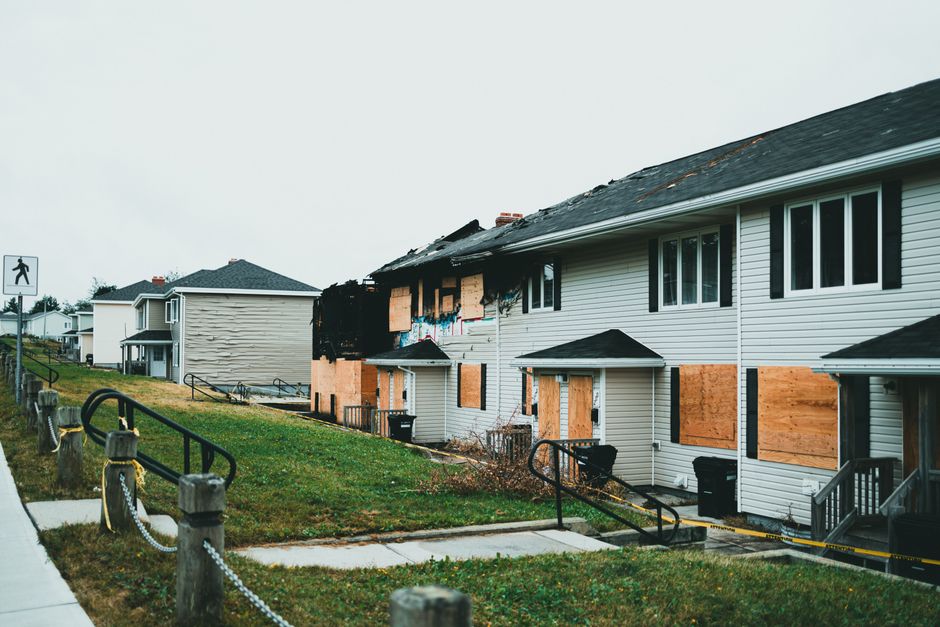
How a short sale works
A short sale starts with the homeowner, not the lender. You list the home for sale at its current market value, usually with an agent experienced in short sales. When you receive an offer, you submit it to the lender along with a hardship package: proof of income, bank statements, tax returns, a hardship letter explaining why you cannot pay, and a comparative market analysis showing the home's value.
The lender then decides whether to approve the sale. The lender's calculation is practical: a short sale usually recovers more money than a foreclosure, which involves legal costs, months of vacancy, and a distressed auction price. Approval is not guaranteed, and the lender may counter the price, require the buyer to cover certain costs, or reject the sale if it believes a foreclosure would recover more.
The short sale timeline
Short sales are slow. The lender's review alone commonly takes 60 to 120 days, and the full process — from listing to closing — often runs four to nine months. Multiple lienholders make it slower: if you have a second mortgage or a home equity line, each lender must approve the sale and agree on how the proceeds are split.
Buyers should expect delays and the possibility that the lender counters or rejects the offer after months of waiting. Sellers should keep paying the mortgage if they can during the process: falling behind can trigger foreclosure proceedings while the short sale is still pending, and some lenders will not approve a short sale once foreclosure has advanced.
Deficiency judgments: do you still owe the difference?
The biggest question in a short sale is whether the lender can come after you for the shortfall — the difference between the sale price and the loan balance. In some states, anti-deficiency laws protect borrowers on purchase-money mortgages, so the lender cannot pursue the difference. In other states, the lender can seek a deficiency judgment unless the short sale agreement includes a written waiver of the deficiency.
Always get the deficiency treatment in writing before closing. The approval letter should state clearly whether the lender waives the deficiency, reserves the right to pursue it, or requires a cash contribution or a promissory note for part of the shortfall. Do not rely on verbal assurances — if it is not in the approval letter, it is not agreed.
Tax and credit consequences
Canceled mortgage debt can count as taxable income. If the lender forgives $40,000 of debt, the IRS may treat that $40,000 as income unless an exclusion applies. A federal exclusion for qualified principal residence indebtedness applied through 2025; whether it extends further depends on current law, so check the latest IRS rules or ask a tax professional before you close. State tax treatment varies too.
The credit impact is significant but usually less severe than a foreclosure. A short sale typically lowers a credit score by 100 to 150 points and stays on your credit report for seven years, but lenders generally allow a new mortgage two to four years after a short sale, compared with up to seven years after a foreclosure. The exact waiting periods depend on the loan program and the circumstances.
Short sale vs foreclosure vs deed in lieu
A foreclosure is the lender seizing and selling the home through the courts or a trustee sale. It is the worst outcome for the homeowner: the largest credit damage, the longest wait before buying again, and no control over the sale price or timeline. A short sale is almost always better than a foreclosure for the homeowner.
A deed in lieu of foreclosure is a middle path: you voluntarily transfer the deed to the lender instead of going through foreclosure. It is faster than a short sale and less damaging than a foreclosure, but it requires the lender's agreement, works best when there is only one mortgage, and may still leave a deficiency unless waived. A HUD-approved housing counselor can help you compare the options for your situation at no cost.
Buying a short sale home
For buyers, short sales can be a bargain — but they demand patience. The list price is an asking price, not an approved price: the lender can counter or reject your offer months after you submit it. Get a home inspection, because short-sale homes are often sold as-is and the seller rarely has money for repairs. And keep your financing flexible, since rate locks can expire during a long approval process.
Work with an agent who has closed short sales before. They will know how to package the offer, follow up with the lender's loss mitigation department, and spot the signs that a deal is stalling. If you need to move on a fixed timeline, a traditional sale or a foreclosure auction may be a better fit than a short sale.
Frequently asked questions
What does a real estate short sale mean?
A short sale means selling a home for less than the outstanding mortgage balance, with the lender's approval. The lender accepts the sale proceeds as payment and releases the lien, even though the amount is less than what is owed.
How long does a short sale take?
The lender's review commonly takes 60 to 120 days, and the full process often runs four to nine months from listing to closing. Multiple lienholders and slow lender responses can extend the timeline.
Do I still owe money after a short sale?
It depends on your state and the approval letter. Some states bar deficiency judgments on purchase-money loans. In other states, the lender can pursue the shortfall unless the approval letter includes a written waiver. Always get the deficiency treatment in writing.
Is a short sale better than foreclosure?
Usually yes. A short sale typically does less damage to your credit, allows you to buy again sooner, and gives you more control over the sale. A foreclosure is the lender seizing and selling the home, with the largest credit impact.
Do I pay taxes on a short sale?
Canceled mortgage debt can count as taxable income unless an exclusion applies. A federal exclusion for qualified principal residence debt applied through 2025. Check current IRS rules or ask a tax professional before closing.
Can I buy a short sale home?
Yes, and short sales can be priced below market. Expect a long approval process, possible lender counteroffers, and as-is condition. Work with an agent experienced in short sales and keep your financing flexible.
Sources
- USA.gov — Foreclosure — federal guidance on foreclosure, short sales, and alternatives for struggling homeowners.
- U.S. Department of Housing and Urban Development — Housing Counseling — free HUD-approved housing counselors who can help compare short sale, deed in lieu, and foreclosure options.
- U.S. Department of Housing and Urban Development — Single Family Housing — FHA single-family housing programs and loss mitigation options.
Related guides
- Housing Hub: Benefits, Rent Help & Homebuying
- Mortgage Assistance: Help With Payments
- Disaster Mortgage Forbearance
- Reverse Mortgage: How It Works