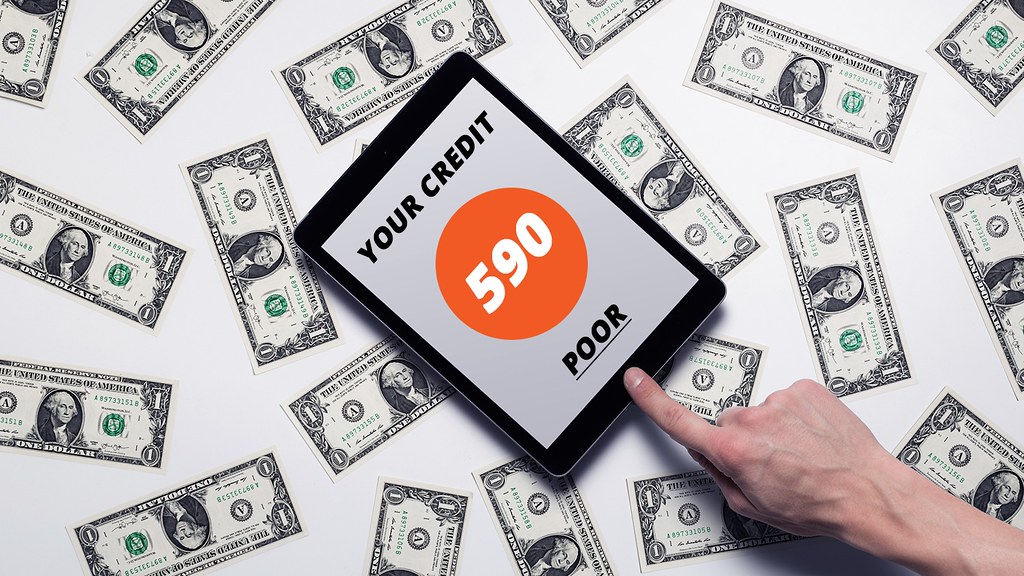
In practice, almost no one actually has a 300; scores that low require a long record of serious problems, such as multiple accounts in collections, a recent bankruptcy, and maxed-out cards. What matters more than the floor is where your score sits relative to the ranges lenders use, and what you can do about it. This guide explains the lowest score, what drags a score down, and how to rebuild. It is part of our Money & Tax hub.
Quick answer: The lowest credit score possible is 300 — the bottom of both the FICO and VantageScore scales, which run from 300 to 850.
Key facts at a glance
- The lowest credit score possible is 300 — the bottom of both the FICO and VantageScore scales. In practice, almost no one actually has a 300; scores that low require a long record of serious problems, such as multiple accounts in collections, a recent bankruptcy, and maxed-out cards.
- What matters more than the floor is where your score sits relative to the ranges lenders use, and what you can do about it.
- A payment 30 days late can drop a good score substantially, and 60- and 90-day lates hurt more. Recent on-time payments are the strongest positive signal you can send.
- Lowering utilization is the fastest legitimate score improvement available. Even getting maxed-out cards below 50% helps; below 30% helps more.
- Check your reports for errors. Get free reports from AnnualCreditReport.com and dispute anything wrong — a debt that is not yours, a payment marked late that was on time, an account listed twice. Removing an error can lift your score quickly.
- Fixing high utilization can show results within one or two billing cycles. A single late payment’s impact fades over about two years. Serious items like bankruptcy take longer, but many people who file bankruptcy see scores in the 600s within a year or two of consistent, on-time behavior afterward.
The two main scoring systems in the United States — FICO and VantageScore — both use a 300 to 850 range.
The credit score scale, bottom to top
The two main scoring systems in the United States — FICO and VantageScore — both use a 300 to 850 range. The familiar labels break down roughly like this: 300–579 is poor, 580–669 is fair, 670–739 is good, 740–799 is very good, and 800–850 is exceptional. Lenders set their own cutoffs within those bands, so the exact label matters less than the number.
A score cannot go below 300, and it cannot go above 850. If you have no credit history at all, you may not have a score — the bureaus need at least one account open for six months and some recent activity to generate one. Having no score is different from having a low score: it means lenders have nothing to judge, which is its own problem, but it is much easier to fix.
What puts a score near the bottom
Scores fall the furthest when several negative factors stack up. The CFPB explains that payment history and amounts owed are the two biggest factors in a FICO score, together worth about two-thirds of the total. The fastest ways down are:
- Missed payments. A payment 30 days late can drop a good score substantially, and 60- and 90-day lates hurt more. Late payments stay on your reports for seven years, though their impact fades with time.
- Accounts in collections or charged off. When a creditor gives up and sells a debt to a collector, or writes it off, the damage is severe — and the collection account can keep reporting for years.
- Maxed-out cards. Using most or all of your available credit signals distress to scoring models. High utilization alone can push a score down by a large amount.
- Bankruptcy, foreclosure, or repossession. These are the most serious negative items. A Chapter 7 bankruptcy stays on your reports for ten years; Chapter 13 for seven.
- Judgments and tax liens. Civil judgments and tax liens no longer appear on credit reports from the three major bureaus, so they do not directly affect scores today — but the underlying debts and court actions still matter to lenders who ask.
What a very low score actually costs you
A low score does not just mean loan denials. It means higher interest rates on the credit you do get, larger security deposits on apartments and utilities, higher car insurance premiums in most states, and difficulty passing the credit checks some employers run. The cost compounds: expensive credit makes it harder to get ahead, which keeps the score low.
But a low score is not permanent, and lenders care more about recent behavior than old mistakes. A bankruptcy from five years ago matters less than twelve months of on-time payments since. That is why rebuilding works — and why it works faster than most people expect.
How to rebuild from a low score
- Check your reports for errors. Get free reports from AnnualCreditReport.com and dispute anything wrong — a debt that is not yours, a payment marked late that was on time, an account listed twice. Removing an error can lift your score quickly.
- Pay everything on time, starting now. Set up autopay for at least the minimum on every account. Recent on-time payments are the strongest positive signal you can send.
- Pay down balances. Lowering utilization is the fastest legitimate score improvement available. Even getting maxed-out cards below 50% helps; below 30% helps more.
- Get a card that reports. A secured credit card — where you put down a deposit that becomes your limit — reports to the bureaus like any other card. Use it for one small bill and pay it in full each month.
- Do not close old accounts. Your oldest accounts help your length of history, and their limits help your utilization. Keep them open and use them occasionally.
- Be patient with negative items. Most negative information falls off after seven years. You cannot pay a company to remove accurate negative information early — anyone promising that is selling something the law does not allow.
If debts have gone to collections, know your rights before you engage. The FDCPA guide explains how collectors must treat you, and the nonprofit credit counseling guide explains how a counselor can help you build a repayment plan. A credit freeze is also worth considering while you rebuild — it stops anyone from opening new accounts in your name.
How long does rebuilding take?
There is no fixed timeline, because it depends on what is dragging the score down. Fixing high utilization can show results within one or two billing cycles. A single late payment's impact fades over about two years. Serious items like bankruptcy take longer, but many people who file bankruptcy see scores in the 600s within a year or two of consistent, on-time behavior afterward.
The honest answer is that rebuilding is measured in months for utilization problems and in years for serious delinquencies — but the direction changes the moment you start. The most important step is the first on-time payment, because every month of clean history after that works in your favor.
Worked example: paying down one maxed-out card
Suppose your card has a $1,000 limit and a $900 balance — 90% utilization. Paying it down to $500 brings utilization to 50%, which already helps. Paying it down to $300 brings it to 30%, which helps more — and fixing high utilization can show results within one or two billing cycles.
That is why lowering utilization is the fastest legitimate score improvement available. Set up autopay for at least the minimum on every account at the same time: recent on-time payments are the strongest positive signal you can send.
Frequently asked questions
What is the lowest credit score?
300. Both FICO and VantageScore run from 300 to 850, so 300 is the lowest score either system can produce. In practice, very few people score that low — it requires a long record of serious credit problems.
Can your credit score go below 300?
No. The FICO and VantageScore scales both bottom out at 300. If you have no credit history, you may have no score at all, which is different from a low score.
What is considered a bad credit score?
Scores from 300 to 579 are generally considered poor, and 580 to 669 fair. Below 670, you will face higher rates and fewer approvals. A score of 670 or higher is generally considered good.
How can I raise a very low credit score fast?
The fastest legitimate moves are paying down credit card balances to lower utilization and disputing any errors on your reports. Paying every bill on time going forward is the foundation — recent good behavior matters more than old mistakes.
How long do negative items stay on my credit report?
Most negative information, including late payments and collections, stays for seven years. A Chapter 7 bankruptcy stays for ten years, and Chapter 13 for seven. Their impact on your score fades over time.
Need help?
If this guide does not answer your question, the directory lists every program and tool on this site.
Primary source: Consumer Financial Protection Bureau
Sources
- Consumer Financial Protection Bureau — What Is a Credit Score? — what a credit score measures, the 300–850 range, and which behaviors move it.
- Consumer Financial Protection Bureau — Credit Reports and Scores — how credit reports and scores work, and how to check and dispute them.
- AnnualCreditReport.com — Official Free Credit Reports — the official source for free credit reports from Equifax, Experian and TransUnion.