What other benefits can I get with SSDI? A monthly Social Security Disability Insurance check is often only the first layer of help. Because SSDI is based on your work history rather than your income, it can be combined with income-based programs that look at need — and for many recipients, the extra programs are worth as much as the SSDI check itself, in food, housing, energy, and medical coverage. The catch is that almost none of them are automatic. Each program has its own application, its own income and resource rules, and its own waiting list, so the work is in applying to each one separately and in the right order.
Key facts at a glance
- If you are a veteran, you can receive full VA disability compensation and full SSDI at the same time.
- Most people approved for SSDI become eligible for Medicare after a 24-month waiting period from the start of their SSDI benefits.
- SSDI approval does not automatically enroll you in SNAP, the Supplemental Nutrition Assistance Program, but many SSDI recipients qualify.
- Housing assistance is the program with the longest waits, and the one to apply for earliest.
Supplemental Security Income (SSI) is the program most often paired with SSDI, and the combination is called a concurrent benefit.
SSI: the concurrent benefit that tops up a low SSDI check
This guide walks through the programs most SSDI recipients can combine with their disability benefits: SSI, Medicare and Medicaid, SNAP, housing assistance, energy help, prescription drug help, and help for your family — with a note on each about what is automatic and what needs an application.
Supplemental Security Income (SSI) is the program most often paired with SSDI, and the combination is called a concurrent benefit. SSI is a needs-based program run by the Social Security Administration that guarantees a minimum income to people who are elderly, blind, or disabled and who have very low income and few resources. If your SSDI payment is low — below the SSI federal benefit rate — and your countable resources are limited, you may collect both: SSI tops up your income toward the minimum. About one in ten people who receive SSDI also receive SSI.
The details matter. SSDI counts as income for SSI purposes, after the first $20 is disregarded, so your SSI payment is reduced by the amount of your SSDI payment — you do not simply add the two together. And SSI has strict resource limits, so savings, a second vehicle, or other assets can disqualify you even if your income is low. If you think you might qualify, apply for SSI through the Social Security Administration: the application is separate from SSDI, even though the same agency runs both programs.
VA disability compensation and SSDI together
If you are a veteran, you can receive full VA disability compensation and full SSDI at the same time. There is no offset between the two programs: each pays its full amount independently, because neither is needs-based. That is different from workers' compensation, which can reduce SSDI, and different from SSI, which counts VA compensation as unearned income and reduces the SSI check almost dollar-for-dollar after a $20 exclusion. VA disability compensation is also tax-free, and it does not count as earned income, so it has no effect on your SSDI amount or on your Social Security retirement benefit later.
The catch is that the two programs judge disability differently, and a VA rating does not decide the SSDI claim. The VA rates disability on a percentage scale from 0 to 100 percent and can pay for partial disability while you work. Social Security is all-or-nothing: you must be unable to engage in substantial gainful activity — in 2026, earning more than $1,690 a month, or $2,830 if you are blind — because of a condition expected to last at least 12 months, and you must have enough work credits. The Social Security Administration does not give weight to another agency's disability decision, so even a 100 percent VA rating does not guarantee SSDI approval, although veterans rated 100 percent Permanent and Total do get expedited SSDI processing.
Apply to each agency separately: VA disability compensation through the Department of Veterans Affairs on VA Form 21-526EZ, and SSDI through the Social Security Administration. Qualifying for SSDI also opens Medicare, generally 24 months after SSDI entitlement begins, on top of VA health care. The VA disability compensation guide covers the VA side, and the SSDI guide covers the medical and work tests in detail.
Medicare, Medicaid, and Extra Help with prescriptions
Most people approved for SSDI become eligible for Medicare after a 24-month waiting period from the start of their SSDI benefits. The wait is the part that catches people out: Medicare does not start the month SSDI starts. During those two years, Medicaid may fill the gap. Medicaid is a needs-based program run jointly by the federal government and the states, and in most states, people who receive SSI are automatically enrolled in Medicaid, because the eligibility rules are similar — though some states require a separate application.
Some SSDI recipients qualify for both Medicare and Medicaid at the same time, and when both apply, Medicaid can help pay costs Medicare does not fully cover, such as copays and certain long-term care services. Separately, Medicare Extra Help — the Part D low-income subsidy — helps with prescription drug costs, and if you receive full Medicaid or SSI, you are automatically enrolled in Extra Help. If you do not receive those, you can apply for Extra Help on its own; it has its own income and resource limits, and the application is free.
SNAP food assistance
SSDI approval does not automatically enroll you in SNAP, the Supplemental Nutrition Assistance Program, but many SSDI recipients qualify. SNAP is run by your state, and you apply through your state social services agency. Your SSDI income counts when the agency works out whether you qualify, but receiving SSDI does not disqualify you — many people on SSDI still qualify based on household income and size. SNAP benefits come on an EBT card and can be used for groceries. If your household includes other people, their income counts too, so the application is for the household, not for you alone. The SNAP eligibility guide linked below explains who qualifies and how to apply.
Housing and energy help
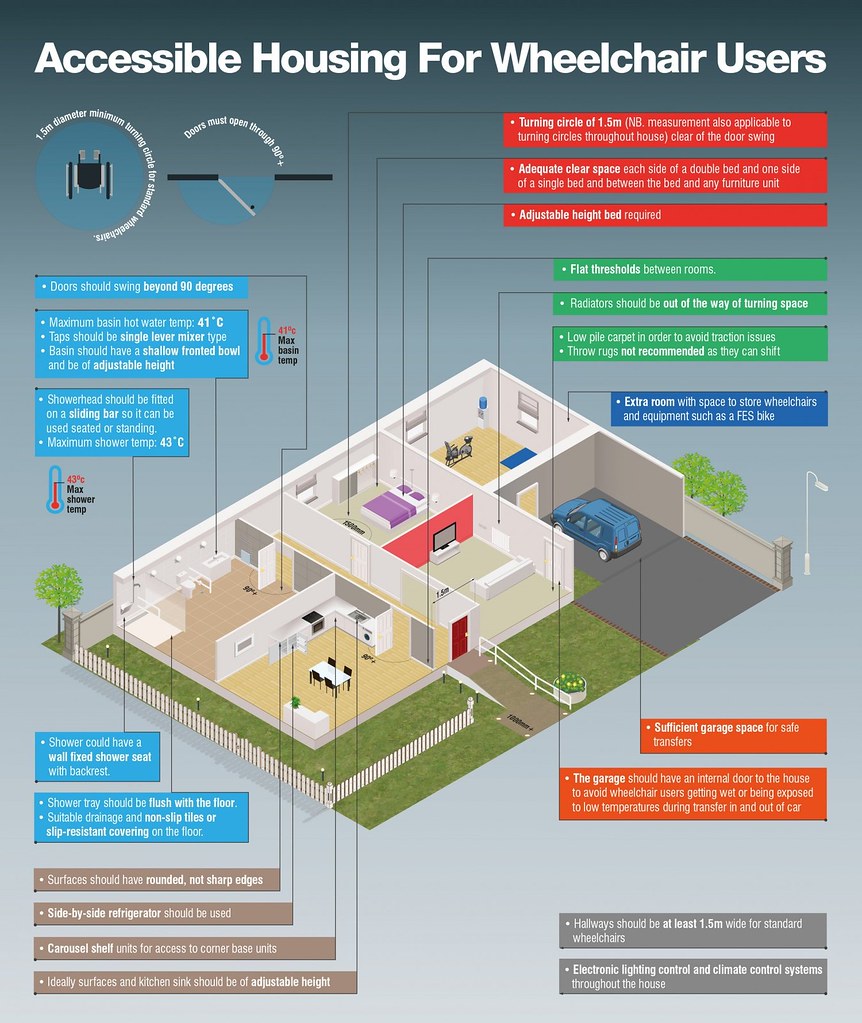
Housing assistance is the program with the longest waits, and the one to apply for earliest. SSDI recipients can apply for help through the Department of Housing and Urban Development: the Housing Choice Voucher program, often called Section 8, and public housing, both run by your local public housing authority. Disability is a priority in some programs, but waitlists vary widely by location and can run for years, so apply even if you are not sure you will need it soon. If you own your home and are having trouble with the mortgage, help may also be available through your state's Homeowner Assistance Fund program.
Energy help is faster. The Low Income Home Energy Assistance Program (LIHEAP) helps people with low incomes afford electricity, heat, and air conditioning, and people receiving SSDI, SSI, or SNAP can qualify. LIHEAP is run by your state, and applications open in seasons — usually before winter — so check your state's LIHEAP office for the current application period. The energy assistance guide linked below explains how to apply.
Help for your family and your return to work
If you have dependent children, they may qualify for benefits on your SSDI record — the dependent benefits guide linked below explains who qualifies and how the family maximum works. Families with children may also qualify for Temporary Assistance for Needy Families (TANF), a cash benefit for families with children, and TANF and SNAP do not count toward the work limits that apply to SSDI, so they can be collected alongside disability benefits.
Two more programs are worth knowing about. Ticket to Work is a free, voluntary program that helps SSDI recipients who want to try working again, with employment support and a trial work period that protects benefits while you test whether you can work. And if you are a veteran, you can receive VA disability benefits at the same time as SSDI — the two programs are separate, and one does not reduce the other. Workers' compensation is different: federal law allows Social Security to lower SSDI payments if workers' compensation and SSDI together go over certain limits, so check the offset rules before assuming both will pay in full.
How to apply: an order that saves time
Apply in an order that lets one approval help the next. Start with SSI, if your SSDI check is low, because an SSI approval can automatically bring Medicaid in most states and automatic enrollment in Extra Help. Then apply for SNAP through your state agency, and for LIHEAP when its application period is open. Apply for housing assistance as early as you can, because of the waitlists, even if your housing is stable today.
For each program, keep copies of everything: your SSDI award letter, proof of income, identification, and proof of residence. Programs will ask for the same documents repeatedly, and having them ready each time saves weeks. And remember that a denial from one program does not affect the others — each program decides on its own rules, so apply to all of them and appeal a denial if you believe it was wrong.
Checklist: benefits to check alongside SSDI
Apply in an order that lets one approval help the next. Start with SSI, if your SSDI check is low, because an SSI approval can automatically bring Medicaid in most states and automatic enrollment in Extra Help. Then apply for SNAP through your state agency, and for LIHEAP when its application period is open. Apply for housing assistance as early as you can, because of the waitlists, even if your housing is stable today.
For each program, keep copies of everything: your SSDI award letter, proof of income, identification, and proof of residence. Programs will ask for the same documents repeatedly, and having them ready each time saves weeks. And remember that a denial from one program does not affect the others — each program decides on its own rules, so apply to all of them and appeal a denial if you believe it was wrong.
- SSI (Supplemental Security Income): if your SSDI check is low — below the SSI federal benefit rate — and your countable resources are limited, SSI tops up your income toward the minimum. About one in ten people who receive SSDI also receive SSI. SSDI counts as income for SSI after the first $20 is disregarded, so the SSI payment is reduced by the SSDI amount.
- Medicare: most people approved for SSDI become eligible after a 24-month waiting period from the start of SSDI benefits. Medicare does not start the month SSDI starts.
- Medicaid: may fill the two-year Medicare gap. In most states, people who receive SSI are automatically enrolled in Medicaid, though some states require a separate application. When both Medicare and Medicaid apply, Medicaid can help pay costs Medicare does not fully cover, such as copays and certain long-term care services.
- Extra Help (Medicare Part D low-income subsidy): helps with prescription drug costs. An SSI approval brings automatic enrollment in Extra Help.
- SNAP: SSDI approval does not automatically enroll you, but many SSDI recipients qualify. Apply through your state social services agency — the application is for the household, not for you alone.
- Housing assistance: HUD Housing Choice Vouchers (Section 8) and public housing, run by your local public housing authority. Apply as early as you can — waitlists vary widely by location and can run for years.
- Energy help (LIHEAP): faster than housing help. Apply when its application period is open.
- VA disability compensation (veterans): you can receive full VA disability compensation and full SSDI at the same time — there is no offset between the two programs. VA compensation is tax-free and does not count as earned income. Veterans rated 100 percent Permanent and Total get expedited SSDI processing.
- Help for your family: dependent children may qualify for benefits on your SSDI record. Families with children may also qualify for TANF, and TANF and SNAP do not count toward the work limits that apply to SSDI.
- Ticket to Work: a free, voluntary program that helps SSDI recipients who want to try working again, with employment support and a trial work period that protects benefits while you test whether you can work.
Frequently asked questions
Can I get SSI and SSDI at the same time?
Yes, if your SSDI payment is low and you have limited income and resources. This is called a concurrent benefit. Your SSI payment is reduced by the amount of your SSDI payment, after the first $20 is disregarded.
Do I get Medicare right away with SSDI?
No. Most people become eligible for Medicare after a 24-month waiting period from the start of SSDI benefits. Medicaid may cover you during the wait if you qualify.
Does SSDI automatically qualify me for food stamps?
No. SSDI approval does not automatically enroll you in SNAP. You must apply through your state agency, and your SSDI income counts — but many SSDI recipients still qualify.
Can I get housing help while on SSDI?
Yes. You can apply for Housing Choice Vouchers or public housing through your local public housing authority. Waitlists vary by location and can be long, so apply early.
Do I have to apply for each benefit separately?
Almost always, yes. Each program has its own application, even when the same agency runs more than one of them. The exceptions are automatic: SSI usually brings Medicaid in most states, and full Medicaid or SSI brings automatic enrollment in Extra Help.
Need help?
If this guide does not answer your question, the directory lists every program and tool on this site.
Primary source: Social Security Administration
Sources
- Social Security Administration — SSDI and SSI: concurrent benefits, the 24-month Medicare waiting period, and how SSDI income counts for SSI.
- Centers for Medicare & Medicaid Services — Medicare Extra Help (Part D low-income subsidy): automatic enrollment with full Medicaid or SSI.
- U.S. Department of Agriculture, Food and Nutrition Service — SNAP eligibility and applications through state agencies.
- U.S. Department of Housing and Urban Development — Housing Choice Vouchers and public housing through local public housing authorities.
- Administration for Children and Families — Low Income Home Energy Assistance Program (LIHEAP) and Temporary Assistance for Needy Families (TANF).
- Social Security Administration — Information for Military and Veterans, and Social Security Disability and Veterans Affairs: VA disability compensation does not offset SSDI; SSA applies its own disability standard and does not adopt the VA rating; 2026 substantial gainful activity limits.