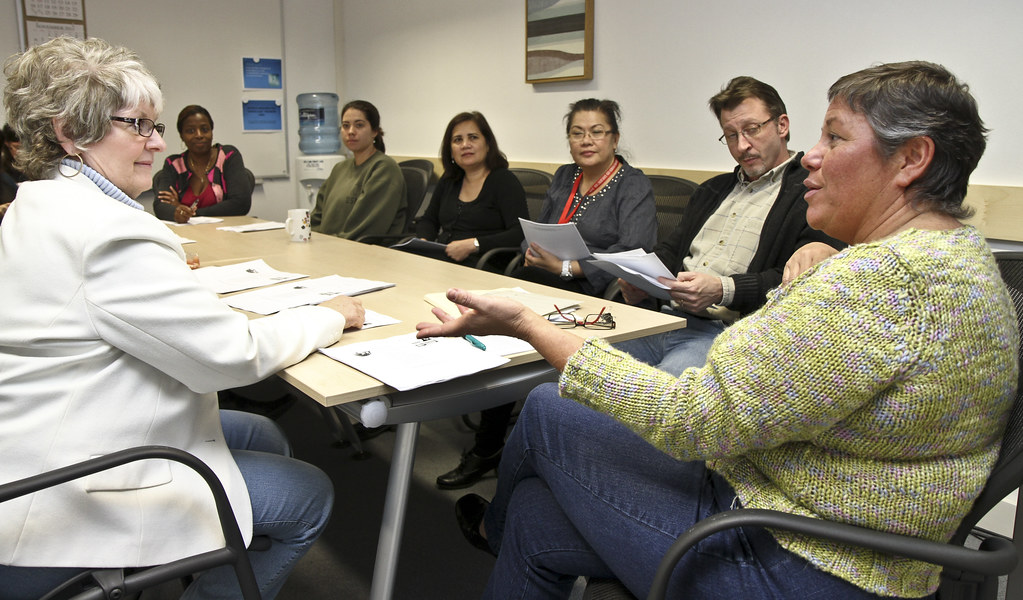
A person who cannot afford one-to-one therapy often has no idea that free mental health support groups exist for almost every condition — meeting in person and online, in every state, every week. Support groups are not therapy, and they do not replace it. But they are free, they are run by people who understand the condition from experience, and for many people they are the first step toward getting help — the step that makes the next one possible.
Key takeaways
- The whole meeting usually lasts 60 to 90 minutes.
- The number to call or text in a crisis is 988, the Suicide and Crisis Lifeline, which is free, confidential, and available at any time.
The short answer to the most common question — where to find free mental health support groups — is to start with the national organizations that run them: the Depression and Bipolar Support Alliance, the National Alliance on Mental Illness, the Anxiety and Depression Association of America, and the addiction recovery fellowships. Each runs groups in person and online, and each has a directory on its website.
The Depression and Bipolar Support Alliance, known as DBSA, runs support groups for people with depression and bipolar disorder, and separate groups for their family members and friends.
What a support group is — and what it is not
A support group is a regular meeting of people who share a mental health condition, or who care for someone who does, and who meet to share experience, coping strategies, and encouragement. The meetings are usually led by a trained peer facilitator — someone who has the condition themselves — rather than by a therapist, and the group follows a set of guidelines that keep the meeting safe and confidential.
A support group is not therapy. It does not diagnose, it does not prescribe, and it does not provide individual treatment. Anyone who needs therapy, medication, or crisis help should seek those separately — and the group can help them find it. The group's value is different: it breaks the isolation mental illness causes, it shows you that others have the same experience, and it offers practical advice from people who have lived with the condition.
Groups are free. The national organizations that run them are nonprofits, and the meetings cost the participant nothing. Some groups ask for a voluntary donation, but no one is turned away for not giving. The groups are also confidential: what is said in the meeting stays in the meeting, and participants are asked not to share each other's stories outside it.
The main national groups
The Depression and Bipolar Support Alliance, known as DBSA, runs support groups for people with depression and bipolar disorder, and separate groups for their family members and friends. DBSA groups meet in person in many cities and online, and the DBSA website lists the meetings by location. The groups are peer-led, and they follow a structured format that gives everyone a chance to speak.
The National Alliance on Mental Illness, known as NAMI, runs peer support groups for people with a mental health condition, and family support groups for their relatives. NAMI also runs education programs — Peer-to-Peer for people with a condition, and Family-to-Family for relatives — and its local affiliates run the groups in their communities. The NAMI website lists the local affiliate and the meetings it runs.
The Anxiety and Depression Association of America, known as ADAA, runs online support groups for anxiety, depression, and related conditions, and its website lists the groups and how to join. ADAA's groups are moderated, and they are a useful option if you cannot attend an in-person meeting, or if you live somewhere with no local group.
For addiction, the fellowships are the main route: Alcoholics Anonymous and Narcotics Anonymous run meetings in person and online across the country, and SMART Recovery runs meetings based on cognitive-behavioral methods for people who prefer a non-12-step approach. All three are free, and all three welcome newcomers at any meeting.
In person or online: which fits
In-person groups offer something online groups cannot: sitting in a room with people who understand, and the relationships that grow from meeting the same people week after week. For many participants, the in-person group becomes a community, and the community is part of the help. The drawback is practical — you have to travel to the meeting at a fixed time, and if you have no transport, or a work schedule that conflicts, you may not be able to attend.
Online groups remove the travel and schedule problem. They meet by video or by text, at various times, and you can join from home. They are also the only option if you live in a rural area with no local group, or if your condition makes leaving the house difficult. The drawback is that the connection is thinner: it is harder to build a relationship through a screen, and easier to leave a meeting without saying anything.
Many people use both: an in-person group when they can get there, and an online group when they cannot. The national organizations list both, and you should try more than one group before deciding which fits. A group that does not feel right on the first visit may feel different on the second, and a different group in the same organization may be a better fit.
How to find a group and what to expect at the first meeting
Use the directory on the organization's website: DBSA, NAMI, and ADAA all list their meetings by location, and the addiction fellowships list theirs as well. The listing gives the day, time, and place — or the online link — and usually a contact person. You can also call the organization's helpline and ask for the nearest meeting, or ask the SAMHSA National Helpline at 1-800-662-4357 for local support group information.
At the first meeting, the facilitator will welcome you, explain the guidelines, and invite you to listen. Newcomers are not expected to speak, and no one will be asked to share more than they want to. The meeting usually starts with introductions, then moves to sharing — each person speaks about their week, their challenges, and what has helped — and ends with a closing. The whole meeting usually lasts 60 to 90 minutes.
Go to the same group more than once before deciding. The first meeting is unfamiliar, and the group may feel strange. By the third meeting, you will know the regulars, understand the format, and be able to judge whether the group helps. If it does not, try a different group rather than concluding that support groups do not work.
When a group is not enough
A support group is not a substitute for professional help, and anyone who is in crisis, who is thinking about suicide, or who needs medication should seek professional help now. The number to call or text in a crisis is 988, the Suicide and Crisis Lifeline, which is free, confidential, and available at any time. The group can support you, but it cannot treat a crisis.
If you need therapy but cannot afford it, use the SAMHSA treatment locator to find free and low-cost care, or ask about sliding-scale therapy. A support group and therapy work well together: the group provides the community, the therapy provides the treatment, and many people use both at the same time.
A DBSA support group and a NAMI support group work the same way: peers who live with a mental health condition meet regularly, share what helps, and point each other toward care. If you are looking for a free therapy group near me, ask your local NAMI chapter or community mental health center first, because many groups meet in person weekly and keep an online option as well. A mental health support group online can be the right choice if transport, work hours, or anxiety make in-person meetings hard, and most groups let you sit in once before deciding. Peer support, group facilitation, and recovery-oriented meetings are what make these groups different from a class or a lecture.
Frequently asked questions
Are mental health support groups free?
Yes — the groups run by the Depression and Bipolar Support Alliance, the National Alliance on Mental Illness, the Anxiety and Depression Association of America, and the addiction fellowships are all free. Some ask for a voluntary donation, but no one is turned away for not giving.
What is the difference between a support group and therapy?
A support group is a peer-led meeting where people share experience and coping strategies. Therapy is individual treatment from a licensed professional, who diagnoses, prescribes, and treats. A group does not replace therapy — but the two work well together.
How do I find a support group near me?
Check the directories on the DBSA, NAMI, and ADAA websites, or call the SAMHSA National Helpline at 1-800-662-4357 for local support group information. The directories list in-person and online meetings by location.
What if I am in crisis right now?
Call or text 988, the Suicide and Crisis Lifeline, any time. It is free, confidential, and available 24 hours a day, and it can connect you with local crisis services.
Need help?
If this guide does not answer your question, the directory lists every program and tool on this site.
Source: Substance Abuse and Mental Health Services Administration
Sources
- Depression and Bipolar Support Alliance, National Alliance on Mental Illness, Anxiety and Depression Association of America — peer-led support groups for depression, bipolar disorder, anxiety, and related conditions, in person and online, free of charge.
- Substance Abuse and Mental Health Services Administration — National Helpline 1-800-662-4357: free, confidential information and referrals to treatment and support groups.