For an older person in a rural area, the nearest clinic can be an hour's drive away — and driving may no longer be possible at all. A mobile clinic closes that gap by bringing care to the community: a van or bus fitted out as a clinic, staffed by a nurse or clinician, visiting towns and villages on a regular schedule. Community health workers — local people trained to help neighbors navigate care — work alongside it, visiting homes and helping with appointments, medication and transport.
If that is your situation, the direct answer is to ask the county health department, the local health system, or the community health center about a mobile clinic schedule and a community health worker. Those services exist for exactly this.
Mobile clinic routes usually run on a regular schedule — the same parking lot on the same weekday — so the first question to ask the county health department is where the clinic stops, what days and hours it is there, what services it provides, and whether an appointment is needed or walk-ins are taken. A mobile clinic is not a hospital or an emergency service: a visit covers check-ups, vaccinations, wound care, and referrals, starting with blood pressure, blood sugar, weight, and a review of medications. Community health workers — local people trained to help neighbors navigate care — work alongside it, visiting homes and helping with appointments, medication, and transport.
Key takeaways
- A mobile clinic is a van or bus fitted out as a clinic, staffed by a nurse or clinician, visiting towns and villages on a regular schedule.
- A visit covers check-ups, vaccinations, wound care, and referrals — starting with blood pressure, blood sugar, weight, and a review of medications.
- A mobile clinic is not a hospital or an emergency service: it does not handle emergencies, and it does not replace a regular doctor.
- Community health workers — local people trained to help neighbors navigate care — work alongside it, visiting homes and helping with appointments, medication and transport.
- Ask the county health department, the local health system, or the community health center about a mobile clinic schedule and a community health worker.
- Mobile clinic routes usually run on a regular schedule — the same parking lot on the same weekday.
A visit usually starts with the basics — blood pressure, blood sugar, weight, a review of your medications.
What a mobile clinic is
A mobile clinic is a vehicle — a van, a bus, a trailer — fitted out with examination space and basic medical equipment, traveling to communities on a set schedule. It is staffed by a nurse, a clinician, or a small team, and it does what fits in a small space: check-ups, blood pressure and blood sugar checks, vaccinations, wound care, medication reviews, and referrals to a doctor or hospital when more is needed. The model is simple: the clinic comes to the patient, rather than the patient traveling to the clinic.
What it is not: a hospital, or an emergency service. It does not handle emergencies, and it does not replace a regular doctor. Its job is routine and preventive care for people who would otherwise go without — and catching problems early: a high blood pressure reading, a wound that is not healing, a medication that is no longer right, before any of them becomes an emergency.
What a mobile clinic visit covers
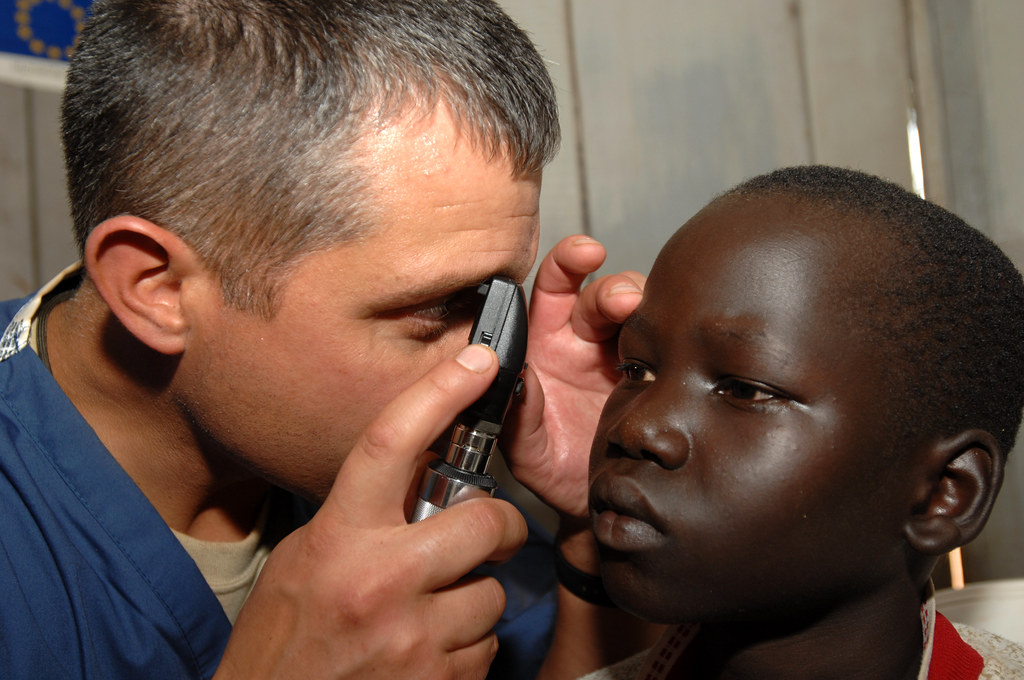
A visit usually starts with the basics — blood pressure, blood sugar, weight, a review of your medications. The clinician will ask about symptoms, go over your history, and do the examination the mobile setting allows. Vaccinations, including flu and other adult vaccinations, are often available, along with wound care, foot care, and hearing and vision checks. If something needs more care, they will refer you to a doctor, hospital or specialist — and the community health worker can help arrange the referral and the transport.
It is also your chance to ask the questions you have been putting off: about a medication, a symptom, a form that needs filling in. If the clinic is too far away to visit for a quick question, the mobile clinic is where that question gets asked — and answered on the spot, or with a follow-up arranged.
How to find a mobile clinic in your county
Start with the county health department: it usually knows the mobile clinic schedules in the county, and it may run a clinic itself. Next, the local health system — the hospital or clinic network — which may operate a mobile unit. Then the community health center, which may have a mobile clinic or be able to refer you to one. And the Area Agency on Aging, which serves older residents and will know the mobile clinic and transport options in the area. If a listing of mobile clinics exists for your county, the county health department is the source that holds it.
When you call, ask four things: where the clinic stops, what days and hours it is there, what services it provides, and whether you need an appointment or can just walk in. Some mobile clinics take walk-ins and some do not — and that answer changes how you plan the visit.
Community health workers
A community health worker is a local person, trained to help neighbors navigate health care. They visit homes, help with appointments and medication, explain what a clinician said, and connect people with services — transport, food, housing, benefits. For an older rural resident, they are often the person who makes the rest of the system work: they know the mobile clinic schedule, they know the transport options, and they know the patient. The county health department, the community health center and the Area Agency on Aging can all tell you whether a program exists in your area and how to ask for a visit.
They are not a doctor, and they do not give medical advice — but they are the bridge between the patient and the medical system. For someone who cannot drive, lives alone, or finds the system confusing, that bridge is often the most important part of the care.
Transport and other help
When the mobile clinic cannot handle a particular problem, you will need to travel to a clinic or hospital — and transport help exists for that. Medicaid covers non-emergency medical transport in most states, the Area Agency on Aging may run a transport program for older residents, and volunteer driver programs exist in many counties. The community health worker can help arrange it, and the county health department can explain what is available. Ask about transport at the mobile clinic visit, so the referral and the ride get arranged together.
A rural health mobile unit is often the only care that reaches the oldest residents of a county, and mobile clinic aging rural routes usually run on a regular schedule — the same parking lot on the same weekday — so ask the Area Agency on Aging or the county health department for the schedule rather than waiting for a visit to be advertised. The community health worker who travels with the clinic can also help with transport, paperwork and referrals, which is often as valuable as the check-up itself.
Common mistakes
The usual mistakes: not knowing the mobile clinic exists and going without care; not checking the schedule and turning up on a day it is not there; not bringing the medication list and your questions, so the clinician cannot give a complete answer; treating the mobile clinic as a replacement for a regular doctor and not following up on a referral; and not asking the community health worker for help, trying to navigate the system alone.
Frequently asked questions
What is a mobile clinic?
A van or bus fitted out as a clinic that travels to rural communities on a regular schedule, providing check-ups, vaccinations, wound care, and referrals.
How do I find a mobile clinic in my county?
Ask the county health department, the local health system, the community health center, or the Area Agency on Aging for the mobile clinic schedule.
Do I need an appointment for a mobile clinic?
It depends on the clinic. Some take walk-ins and some require an appointment. Ask when you call.
What is a community health worker?
A trained local person who visits homes, helps with appointments and medication, and connects people with services such as transport, food, and benefits.
What should I bring to a mobile clinic visit?
Bring your medication list and your questions. Not bringing them is one of the usual mistakes — the clinician cannot review your medications or answer questions you have been putting off without them.
What happens if the mobile clinic cannot handle my problem?
You will need to travel to a clinic or hospital, and transport help exists for that. Ask the clinic staff or the county health department about transport options when the mobile clinic cannot handle a particular problem.
Need help?
If this guide does not answer your question, the directory lists every program and tool on this site.
Sources
- Health Resources and Services Administration — find a health center.