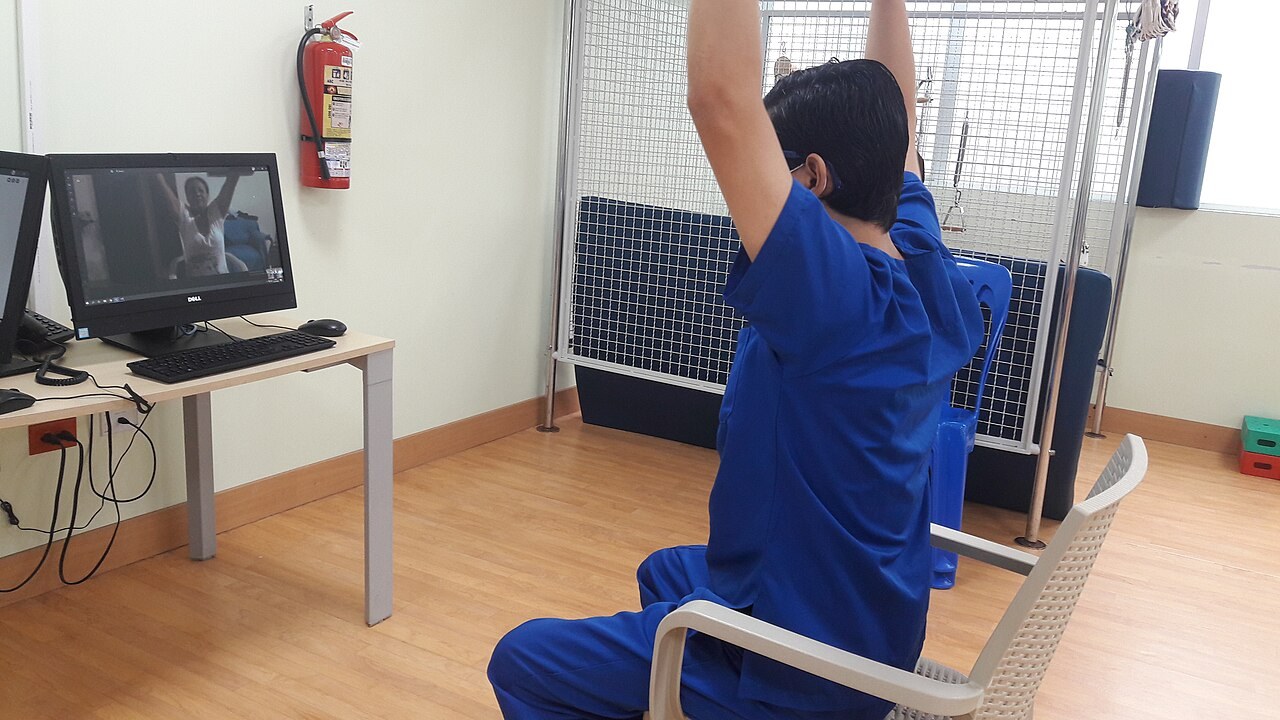
For a rural patient, a routine appointment can mean a drive of 50 to 100 miles each way, a day off work, and a tank of fuel — for a visit that could have been done by video in twenty minutes. Telehealth removes that journey for many kinds of care, but rural patients often don't know which visits can be done virtually, or how to find a provider who offers telehealth.
This guide explains which visits work by telehealth and how to find them.
For a rural patient, a routine appointment can mean a drive of 50 to 100 miles each way, a day off work, and a tank of fuel — for a visit that could have been done by video in twenty minutes. The most common mistake is assuming telehealth needs a fast internet connection and giving up before asking, when a phone-only visit may be possible: many visits work by phone, and a phone-only visit needs far less bandwidth than a video visit. Follow-up visits are the most common telehealth visit, and the clinician decides whether a particular visit can be done by telehealth — the patient should ask rather than assume.
Quick answer: ask your regular doctor or clinic whether a visit can be done by telehealth, and check your health plan's telehealth directory, because the provider you already have is often the fastest route to a virtual visit.
Key facts at a glance
- Telehealth is a medical visit carried out by video, by phone, or by secure message, instead of in person.
- Follow-up visits are the most common telehealth visit; mental health visits, medication reviews, and consultations about symptoms also work well by telehealth.
- The clinician decides whether a particular visit can be done by telehealth — the patient should ask rather than assume.
- For a rural patient, a routine appointment can mean a drive of 50 to 100 miles each way — for a visit that could have been done by video in twenty minutes.
- A phone-only visit is often possible for patients without broadband, and needs far less bandwidth than a video visit.
- Start with the doctor or clinic you already use, or check your health plan's telehealth directory — the provider you already have is often the fastest route to a virtual visit.
The patient and the clinician talk in real time, the clinician asks questions, reviews symptoms, and in many cases can make a diagnosis, adjust a medication, or order a test.
What telehealth is
Telehealth is a medical visit carried out by video, by phone, or by secure message, instead of in person. The patient and the clinician talk in real time, the clinician asks questions, reviews symptoms, and in many cases can make a diagnosis, adjust a medication, or order a test. Telehealth isn't a replacement for every visit: a visit that needs a physical examination, a procedure, or a test that can only be done in person still needs to happen in person. But a large share of routine care — follow-up visits, medication reviews, mental health appointments, and consultations about symptoms — can be done by telehealth, and many rural patients don't know which visits can be done this way.
The technology needed is modest: a phone or a computer with a camera and a microphone, and an internet connection that can carry a video call. For patients without broadband, a phone-only visit is often possible, and that's the subject of a separate guide on this site.
Worked example: the journey a video visit replaces
At 50 miles each way, a routine appointment is a 100-mile round trip; at 100 miles each way, it is a 200-mile round trip — plus a day off work and a tank of fuel — for a visit that could have been done by video in twenty minutes. That is the journey telehealth removes for many kinds of care, and it is why the first question to ask when booking is whether the visit can be done by video or phone.
Which visits work by telehealth
Follow-up visits are the most common telehealth visit: the clinician already knows the patient, the condition is stable, and the visit is about reviewing progress and adjusting treatment. Mental health visits — therapy and psychiatry — work well by telehealth, because they're conversation-based and don't need a physical examination. Medication reviews, where the clinician checks how a drug is working and whether the dose is right, are another good fit. Consultations about new symptoms can also work, although the clinician may decide that an in-person examination is needed and will say so. Visits that don't work by telehealth include those that need a hands-on examination, a procedure, an X-ray, a blood test, or a vaccination.
The clinician decides whether a particular visit can be done by telehealth, and the patient should ask rather than assume. A good question to ask when booking is: can this visit be done by video or phone, and if not, what part of it needs to happen in person? That question saves a journey where the answer is yes, and it avoids a wasted virtual visit where the answer is no.
How to find a telehealth provider
Start with the doctor or clinic you already use: ask whether they offer telehealth visits and how to book one. Many clinics that didn't offer telehealth before now do, and the booking is the same as for an in-person visit, with a video link sent before the appointment. The second route is your health plan: Medicare, Medicaid, and private plans have telehealth directories that list providers who offer virtual visits, and the plan's member services line can explain what's covered.
The third route is the Health Resources and Services Administration, known as HRSA, which supports rural health programs and can point to telehealth services in rural areas. The fourth route is a community telehealth hub — a connected room in a library, a clinic, or a community center where a patient can have a telehealth visit with a nurse present — which is the subject of a separate guide on this site.
Preparing for a telehealth visit
Prepare for a telehealth visit as you would for an in-person one: write down the symptoms, the questions, and the medications, including the dose and how often they're taken. Find a quiet, private place with good light, and test the video link before the appointment time. Have a phone nearby as a backup, in case the video connection fails — the clinician can often continue the visit by phone. Have a list of the nearest pharmacy, and have your insurance card to hand. If the visit is for a child or an older relative, have the person with you and be ready to help them with the technology.
During the visit, speak clearly, describe the symptoms in detail, and ask the clinician to repeat anything you didn't understand. At the end, ask what the next step is — a prescription, a test, a follow-up visit, or a referral — and ask whether the follow-up can also be done by telehealth.
A virtual doctor rural areas rely on is the same service as a telehealth visit anywhere else — the difference is what it replaces: a drive of an hour or more to the nearest clinic. When you search, look for providers licensed in your state who list rural patients explicitly, and check whether the visit is by video or by phone, because some services count a phone call as a visit and some do not.
Common mistakes
The most common mistake is assuming telehealth needs a fast internet connection and giving up before asking, when a phone-only visit may be possible. A second is not asking the regular doctor about telehealth and traveling for a visit that could have been virtual. A third is not preparing for the visit — no list of medications, no written questions — so the visit is less useful than it could have been. A fourth is not having a backup plan when the video connection fails, and missing the appointment entirely.
Paying for telehealth
Medicare and Medicaid cover telehealth visits, although the rules on which visit types and which locations are covered can change, and they should be checked with the plan. Private health plans also cover telehealth, and many have no co-payment for a virtual visit, or a lower co-payment than for an in-person visit. Check coverage with the plan before the visit, and ask the provider whether there's a charge for the visit itself. Coverage is the subject of a separate guide on this site.
Frequently asked questions
What is telehealth?
A medical visit carried out by video, by phone, or by secure message, instead of in person. It works well for follow-up visits, medication reviews, and mental health appointments.
Which visits can be done by telehealth?
Follow-up visits, medication reviews, mental health visits, and consultations about symptoms. Visits that need a physical examination, a procedure, or a test usually need to happen in person.
How do I find a telehealth provider in a rural area?
Ask your regular doctor or clinic, check your health plan's telehealth directory, or ask HRSA and your local community health center about rural telehealth services.
Do I need fast internet for telehealth?
Not always. Many visits work by phone, and a phone-only visit needs far less bandwidth than a video visit. Ask your provider whether a phone visit is possible.
How should I prepare for a telehealth visit?
Prepare as you would for an in-person visit: write down the symptoms, the questions, and the medications, including the dose and how often they are taken. During the visit, speak clearly, describe the symptoms in detail, and ask the clinician to repeat anything you did not understand.
Does Medicare or Medicaid cover telehealth?
Medicare and Medicaid cover telehealth visits, although the rules on which visit types and which locations are covered can change. Check the coverage with your plan before the visit.
Need help?
If this guide does not answer your question, the directory lists every program and tool on this site.
Primary source: HRSA
Sources
- rural telehealth finder by visit type and coverage; verify at HRSA and provider.